


Bihar's political stage is abuzz with pronouncements that the newly solidified NDA government will continue its operational trajectory under the guiding hand of Nitish Kumar. This assertion, repeatedly voiced by Deputy Chief Minister Samrat Choudhary, emerges even as Kumar prepares for a potential transition to the Rajya Sabha, a move that would see him exit the immediate state-level hurly-burly.
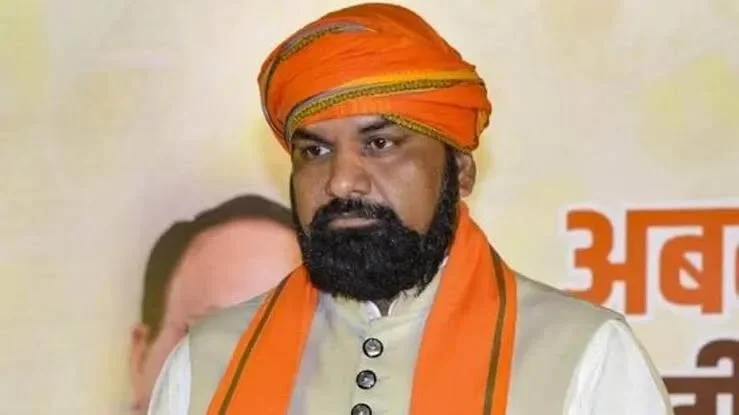
The repeated insistence from within the NDA, particularly from figures like Samrat Choudhary, that Nitish Kumar will continue to provide "guidance" to the government, irrespective of his Rajya Sabha aspirations, highlights a persistent reliance on his established political capital and administrative framework. This suggests a strategic maneuver to leverage Kumar's enduring influence and legacy, even as the BJP solidifies its position within the ruling coalition.
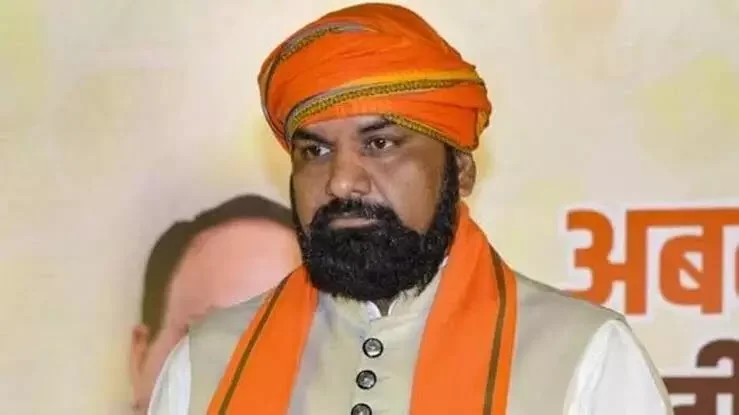
Choudhary, a senior figure within the BJP, has been a vocal proponent of this narrative. He has not only stated that the new government will operate "under Nitish Kumar’s guidance" but has also evoked Kumar's "legacy" and "financial management," pointing to significant growth in electricity consumers during his tenure as evidence of progress. The statements imply that despite the changing configurations of power, Kumar's vision remains central to the state's forward march.
Read More: Taiwan Holds Nantou County Drills to Prepare for State Collapse
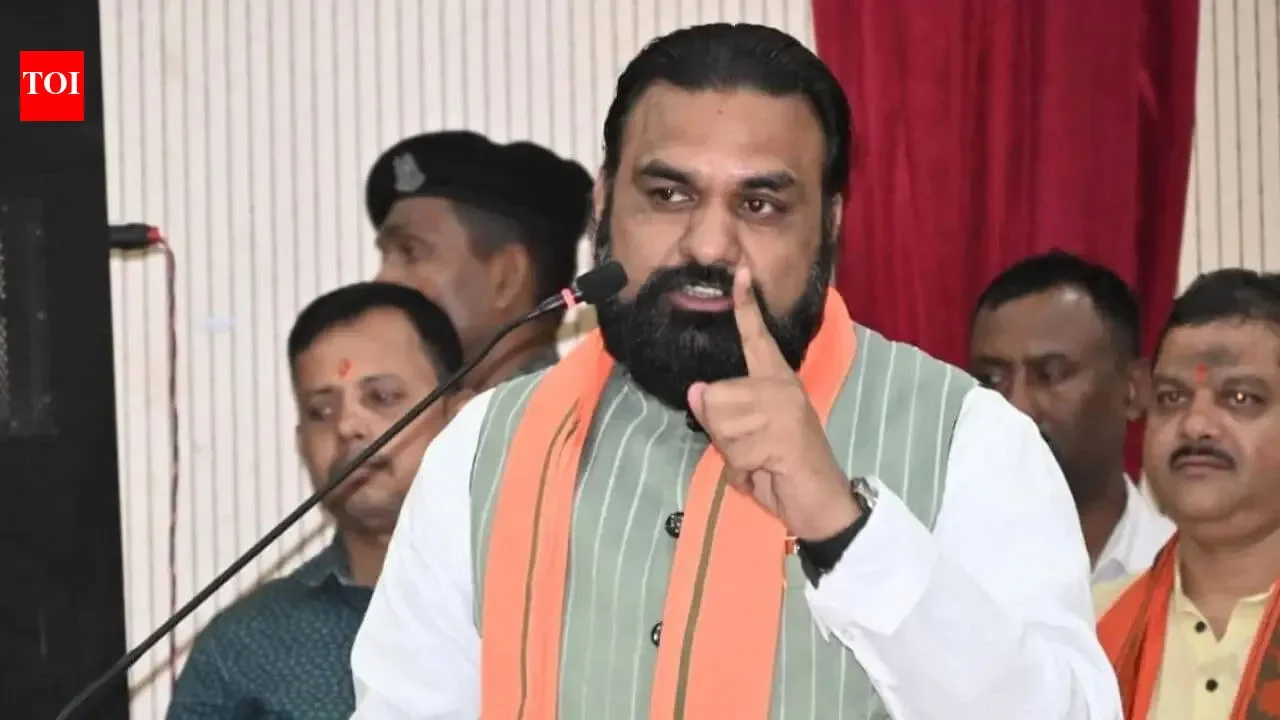
The broader political climate in Bihar appears to hinge on this delicate balance. Reports suggest the NDA is actively working to ensure the stability of its MLA bloc, particularly ahead of upcoming Rajya Sabha polls. This underscores a pragmatic approach where inter-party dynamics and the need for coalition cohesion are paramount. The BJP and JD(U), while perhaps recognizing their mutual dependence to counter opposition like the RJD, also acknowledge the sway of Prime Minister Modi among the electorate that chose the NDA.
This emphasis on Nitish Kumar's continued influence comes even as his own party, the JD(U), has experienced periods of instability, marked by his earlier departures from and returns to the NDA. Yet, despite these shifts, Kumar appears to retain a certain level of respect and perceived necessity within the ruling coalition. The assertion that the BJP nominee would require Kumar's "trust and backing to ensure government decisions are credible" further illuminates this complex relationship. While Kumar may be stepping away from the day-to-day rigors of state administration, his shadow, it seems, is far from dissipating. The narrative presented is one of continuity, albeit one deeply intertwined with the personal influence of the incumbent.
Read More: Lalu Prasad Yadav, Rabri Devi Return Guards After Z-Plus Security Cut
Historical Context and Shifting Alliances
Bihar's political landscape has been characterized by a series of fluid alliances and power shifts. Nitish Kumar, a veteran politician, has navigated these currents for years, often switching allegiances between the NDA and the Grand Alliance. These moves have frequently been attributed to political calculations and attempts to maintain his party's relevance and control.
The recent formations within the NDA coalition suggest a strategic recalibration, aiming to consolidate power and present a united front. The focus on keeping the legislative strength intact points to an awareness of the precariousness that can accompany such political realignments. The upcoming Rajya Sabha elections serve as an immediate backdrop, potentially amplifying the importance of maintaining solidarity among the elected representatives.







-1775921553486.webp)