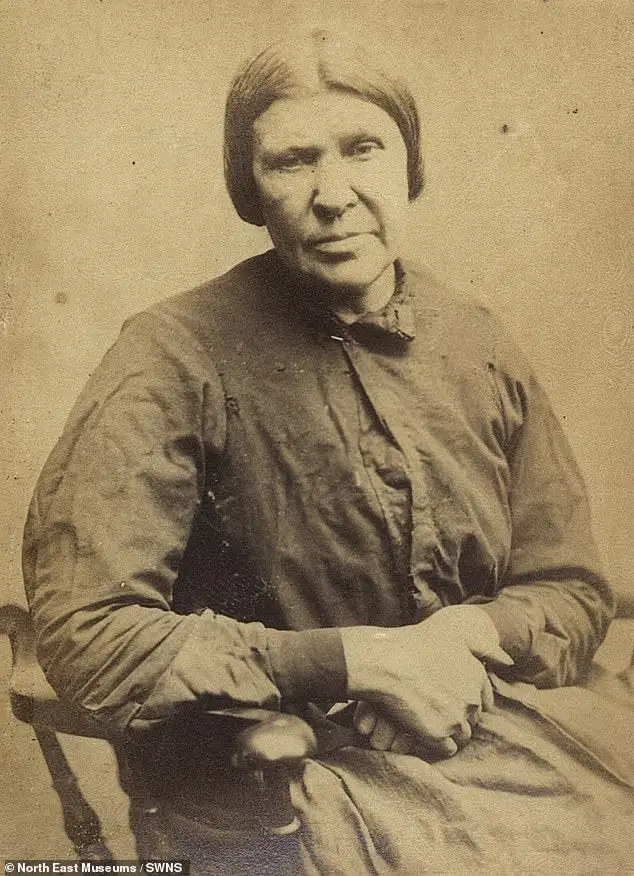
In the 1870s, the Newcastle City Gaol recorded the faces of women and children who broke the tight rules of Victorian property. These records show a raw trade: months of hard physical toil swapped for basic goods like boots, old iron, and bedding. The law did not blink at age, putting Jane Farrell, age 12, to ten days of hard labour for the taking of two boots. Older women like Elizabeth Rule, 54, cycled through the system for years, racking up nearly a year of prison time for grabbing clothes and linens.
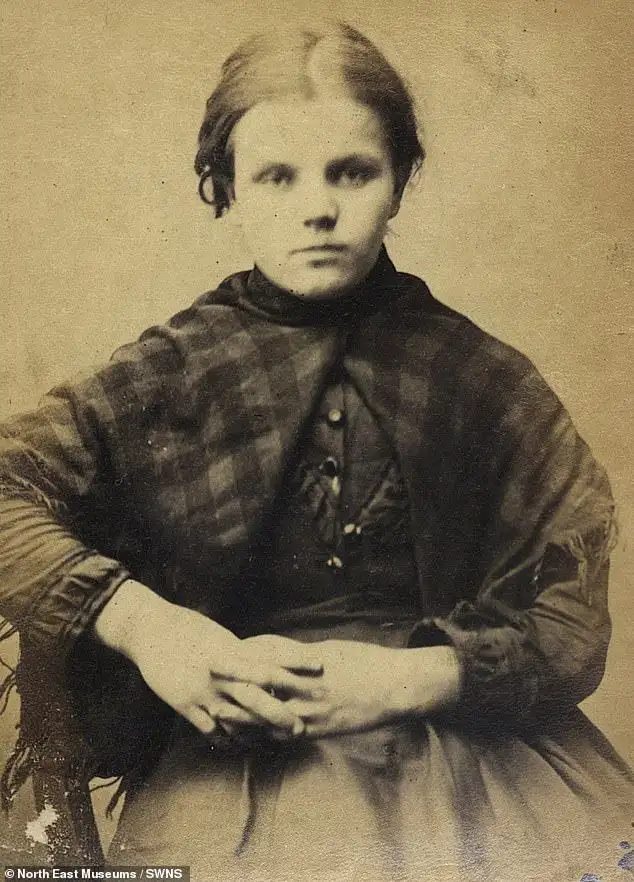
"If a pub landlord refused to serve her, she would smash the windows," a local record notes regarding the temper of those living on the jagged edges of the city.
THE LEDGER OF OFFENCES
The following table breaks down the mechanical exchange of human time for stolen items. The sentences were heavy, often involving "hard labour," a blunt tool used to break the spirit of the urban poor.
| Name | Age | The Snatch | The Price (Sentence) |
|---|---|---|---|
| Jane Farrell | 12 | Two boots | 10 days hard labour |
| Jane Cartner | 22 | Silver watch | 6 months prison |
| Mary C. Docherty | 14 | Raw iron | 7 days hard labour |
| Elizabeth Rule | 54 | Sheets & Clothes | 11 months, 14 days (total) |
| Isabella Hindmarch | 16 | Money | 1 month hard labour |
| Jane Carlisle | 29 | Bed linen | 2 months prison |
| Ann Garrett | - | Money | 1 month (6 prior priors) |
SURVIVAL AND SYSTEMIC FRICTION
The "girl gangs" described in modern retrospectives were less organized syndicates and more collections of the desperate or the stubborn.
Read More: St. Augustine's ideas on justice help explain US politics
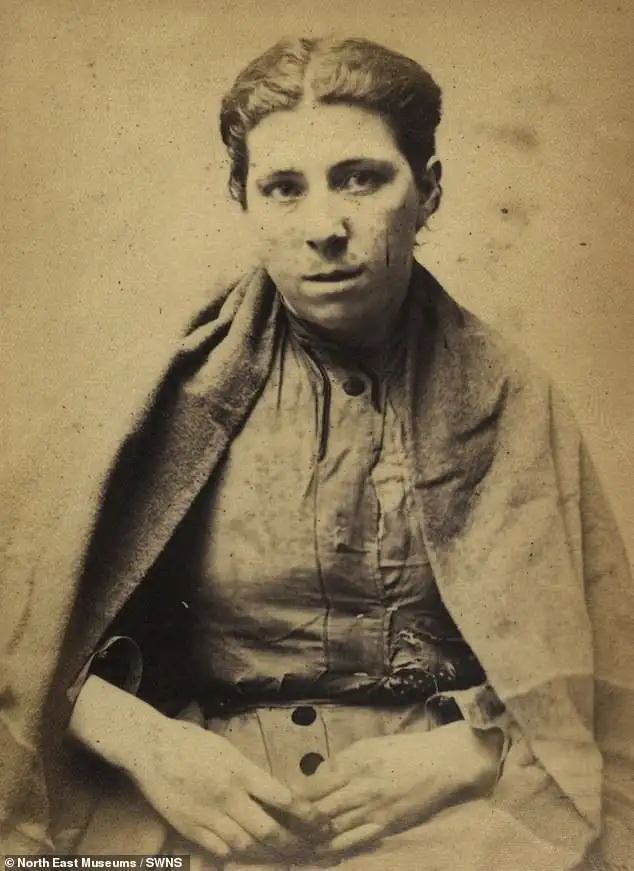
Mary Hinnigan (13) and Rosanna Watson were part of a group caught with scrap iron, a heavy and low-value haul that suggests a scramble for copper-equivalent coins.
Catherine Cain King took a pocket watch and paid with three months of hard work; she had already been marked by the police for "drunken conduct."
Jane Carlisle, who called herself a 'hawker' or street seller, found her mobile trade replaced by a cell for two months after she was found with stolen linens.
The system was unforgivingly repetitive. Ann Garrett was a frequent face in the gaol, having been convicted six times in a three-year span before the 1870s photos were even taken. The prison was not a place of fixing people, but a holding pen for those the city couldn't or wouldn't employ.
THE APPARATUS OF THE EYE
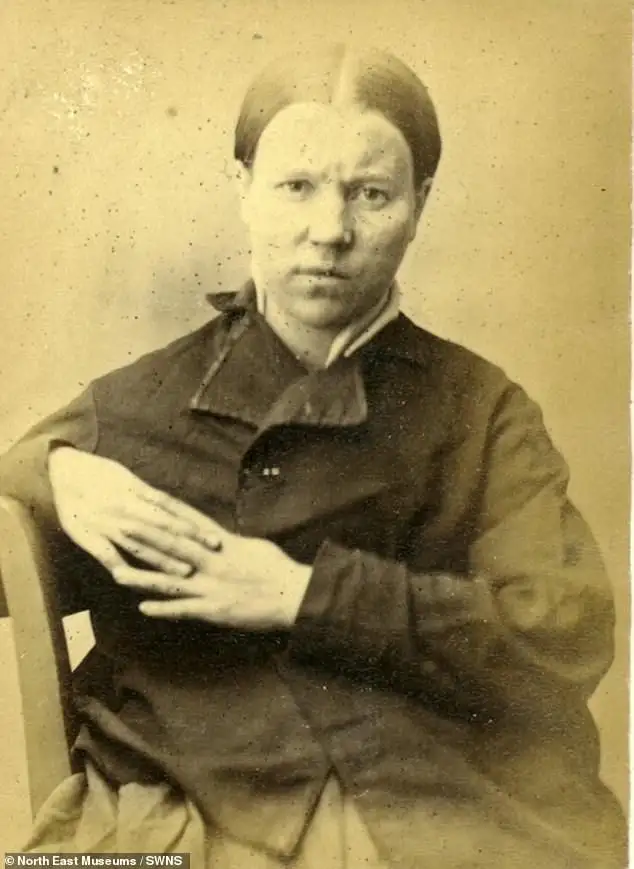
These images come from a time when photography was a new way to trap a face. Before this, a thief might vanish into the next alley. The mugshot turned the person into a permanent record.
The girls' clothing—heavy wool, dark shawls—shows the drab uniform of the 1870s working class.
The "hard labour" mentioned usually meant repetitive, soul-killing tasks like picking oakum (unravelling old ropes) or turning a crank.
Some subjects refused to look at the lens, an accidental act of rebellion against a state that wanted to own their likeness as well as their time.
The Newcastle records offer no excuses or deep motives. They only show the price list of the era: seven days of a child's life for a piece of iron; half a year for a watch. It was a simple, lopsided math.
Read More: Newcastle United Saudi Owners Back Manager Howe, Plan Stadium Growth After Meetings