Scientists have uncovered the remains of a new, large dinosaur species in the Sahara Desert in Niger. This creature, named Spinosaurus mirabilis, possessed a prominent head crest and specialized teeth for catching fish. The discovery offers fresh insights into the diversity and evolution of large carnivorous dinosaurs in prehistoric Africa.
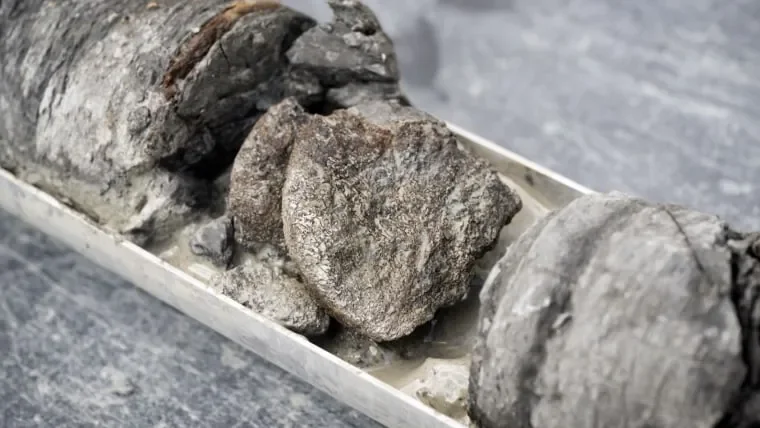
The fossils found in Niger belong to a previously unknown species of Spinosaurus, distinguished by a large head crest and adapted for a fish-eating diet.
Discovery of a Distinct Spinosaurus Species in Niger
Paleontologists have announced the discovery of a new species of Spinosaurus, identified as Spinosaurus mirabilis. The fossils were found at a remote site in the Sahara Desert in Niger, a location notable for being hundreds of miles inland from ancient ocean coastlines. This geographical detail, along with specific anatomical features, has led researchers to suggest a distinct ecological role for this dinosaur.
Read More: Indigenous Data Rights Now Key in Conservation Genomics

The discovery adds to the known family of large meat-eating dinosaurs, which includes species like Tyrannosaurus and Giganotosaurus.
The findings were published in the journal Science.
Unique Anatomy of Spinosaurus Mirabilis
Spinosaurus mirabilis exhibits several key physical characteristics that set it apart from other known Spinosaurus species, particularly Spinosaurus aegyptiacus.

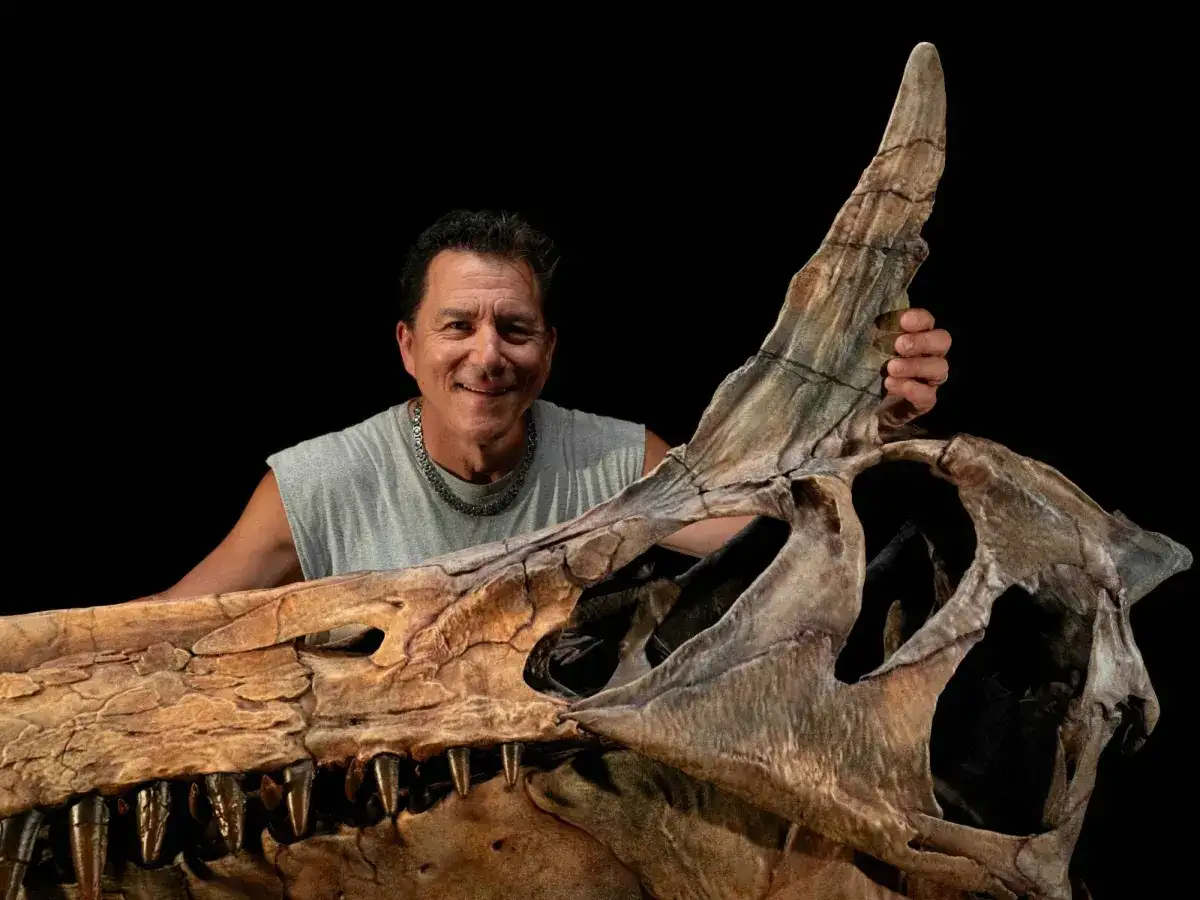
Head Crest: This new species features a much larger, blade-shaped head crest.
Snout and Teeth: It has a more elongated snout with teeth that are more spread out, designed for gripping slippery prey.
Hind Limbs: Spinosaurus mirabilis also possesses longer hind limbs compared to its relative.
These anatomical differences suggest a specialized way of life, likely adapted to shallow, inland waters rather than deep sea environments.
Inland Habitat and Predatory Behavior
The location where the Spinosaurus mirabilis fossils were found presents a puzzle. The site is situated approximately 300-600 miles (500-1,000 km) from the nearest ancient ocean shoreline. This inland positioning has led researchers to infer that Spinosaurus mirabilis was likely a shallow-water predator that waded in rivers or lakes.
Its interlocking teeth acted as an efficient mechanism for capturing fish.
The combination of its physical traits and discovery site indicates it was a semi-aquatic wader rather than a deep-water swimmer.
"Finding these fossils so far inland indicates that these dinosaurs were semi aquatic waders rather than deep water swimmers."
A Window into Prehistoric Africa
The discovery of Spinosaurus mirabilis provides a valuable glimpse into the ecosystems of Africa around 95 million years ago. It highlights the evolutionary paths taken by spinosaurids and their role as apex predators in the lush, riverine environments of the time.
The two Spinosaurus species found, S. mirabilis and S. aegyptiacus, lived at the same time and shared a similar body plan, including long dorsal spines forming a sail-like structure and skulls adapted for fishing.
This find caps a period of evolutionary change within the spinosaurid group.
Expert Insights and Future Displays
Paul Sereno, a paleontologist involved in the research, noted the collaborative nature of the discovery, working with local guides who led the team to the fossil-bearing sites. Replicas of the Spinosaurus mirabilis skull and its distinctive crest are planned for exhibition at the Chicago Children’s Museum starting March 1st.
Read More: Fikra API Africa Mobile Money AI Access for Developers
"They understand the importance of what we’re doing together—for science and for their country." - Paul Sereno
Sources:
NBC News: Fossils of huge 'hell heron' dinosaur unearthed in Niger
University of Chicago News: ‘Hell-heron’ dinosaur discovered in the central Sahara
Link: https://news.uchicago.edu/story/hell-heron-dinosaur-discovered-central-sahara
AAWSAT English: Fossils of New Species of Huge Dinosaur Unearthed in Niger
Link: https://english.aawsat.com/varieties/5242825-fossils-new-species-huge-dinosaur-unearthed-niger
Mathrubhumi English: Meet Africa’s 'hell heron': Fossils of new giant Spinosaurus species unearthed in Niger
Firstpost: New dinosaur species discovered in Sahara desert: ‘Hell Heron’ ruled Africa 95 million years ago
Discover Wildlife: Dinosaur hunters discover staggering 'hell heron' with giant head crest in Sahara Desert
Link: https://www.discoverwildlife.com/dinosaurs/spinosaurus-mirabilis
Popular Science: New dinosaur discovered in Sahara desert was a horned ‘hell heron'
Link: https://www.popsci.com/science/new-horned-dinosaur-sahara/