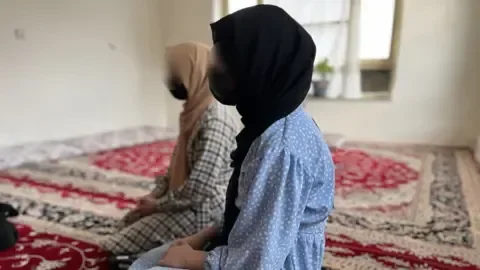
Recent decrees by the Taliban have escalated restrictions on women in Afghanistan, most notably by prohibiting them from speaking or singing in public. These measures, detailed in a recent 114-page document, expand upon earlier rules that mandated covering their faces and bodies. The ministry of vice and virtue is now empowered to enforce these new laws, which can result in warnings or arrests for alleged violations. The impact of these restrictions is described by observers and Afghan women as a systematic erasure from public life and a severe blow to their autonomy and humanity.
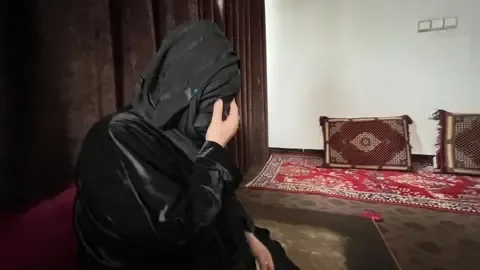
The Taliban's return to power in August 2021 has been marked by a steady rollback of women's rights. The latest pronouncements build upon existing bans on girls' education beyond primary school, limitations on women's employment, and restrictions on travel without a male guardian. Reports indicate that these policies have had a profound effect, with a significant percentage of Afghan women losing access to education, employment, and training. The new laws specifically target the auditory presence of women, deeming their voices as potential instruments of vice and thereby unsuitable for public hearing, even within their homes.
Read More: Man Dies After Setting Fire Outside UN in Protest
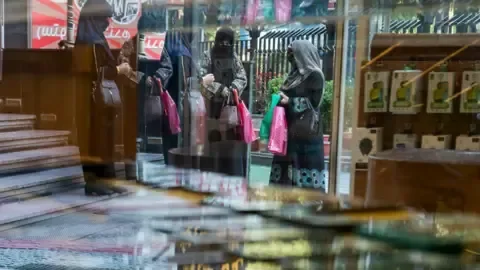
Expanding Restrictions on Women's Public Presence
The Taliban's latest legal codifications represent a marked intensification of controls over women's public lives. These laws extend beyond mandated dress codes, which require women to cover themselves from navel to knee and conceal their faces, to encompass their very voices.
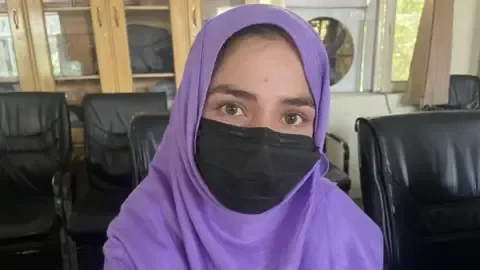
Vocal Restrictions: Women are forbidden from speaking aloud or singing in public. This ban even extends to their residences, meaning they should not be heard singing or reading aloud from inside their homes.
Enforcement Mechanism: The ministry of vice and virtue is now tasked with frontline regulation of personal conduct, with the authority to issue warnings or carry out arrests for perceived breaches of these new laws.
Broader Societal Mandates: The laws also include directives for male passengers and drivers to perform prayers at designated times and for drivers to refuse transport to women traveling without a male guardian.
Voices of Concern and Resistance
The implementation of these stringent laws has elicited strong reactions from human rights advocates and Afghan women themselves. Critics argue that the Taliban's actions contravene both domestic Afghan laws and international human rights standards, specifically the Universal Declaration of Human Rights.
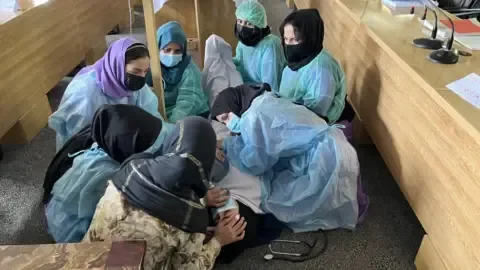
"This document not only violates Afghanistan’s domestic laws but also broadly contravenes all 30 articles of the Universal Declaration of Human Rights.” – Source Attribution Unknown (Article 1)
Human Rights Violations: Fawzia Koofi, an Afghan human rights activist and former vice-president of the Afghan parliament, stated that the Taliban government lacks legitimacy and that these edicts reflect "hatred towards women."
Psychological Impact: Reports detail a surge in distress among women, with some expressing thoughts of suicide, questioning the purpose of living when their voices are silenced. Shabana, an attendee of daily English lessons, recounted experiencing increased calls for help after the new law was announced.
Forms of Defiance: In response, some women have publicly protested by filming themselves singing, using hashtags such as #LetUsExist. Others have gathered outside Afghanistan to sing about freedom and resistance.
Systemic Erasure and International Observation
Human rights organizations and United Nations bodies have characterized the Taliban's policies as a systematic effort to erase women from public life. The cumulative effect of these decrees is seen as a severe erosion of women's rights, autonomy, and fundamental humanity.
Erosion of Rights: Over the past three years, Afghan women have witnessed a continuous decline in their remaining freedoms. This includes bans on secondary education, severe limitations on employment, and the requirement of male guardians for travel.
Social and Political Impact: A staggering 98 percent of women surveyed reported having limited or no influence over community decisions. While UN Women supports Afghan women entrepreneurs, the overall political and social space for women remains heavily constrained.
Call for International Action: There are calls for the United Nations to recognize these actions as gender apartheid and to refuse recognition of the Taliban regime. However, the extent to which the international community can effect change is acknowledged as limited.
Expert Analysis and Observations
The policies enacted by the Taliban are viewed by many as an extreme form of social control. Experts point to the broader context of the Taliban's ideological framework, which appears to interpret women's public presence and expression as a threat to their vision of an Islamic society.
Read More: Afghan Fathers Sell Children Due to Extreme Poverty
Objectification and Dehumanization: The reduction of women's voices and bodies to potential sources of sin is described as an act of sexualization and objectification, further stripping women of their personhood and autonomy.
Long-Term Consequences: Experts like Ms. Davidian of UN Women emphasize that these restrictions will have lasting intergenerational effects, fundamentally altering the social fabric and the future of women and girls in Afghanistan.
Role of Women within Structures: Where women are engaged within Taliban structures, their roles are often limited to monitoring other women's compliance with discriminatory decrees, a paradoxical position within the enforcement apparatus.
Conclusion and Unanswered Questions
The evidence indicates a deliberate and escalating campaign by the Taliban to silence and conceal Afghan women, effectively removing them from public life. The latest decrees prohibiting women from speaking or singing in public represent a significant tightening of controls, building upon previous restrictions. These actions have drawn condemnation from international bodies and sparked acts of defiance from within Afghanistan and among the diaspora.
The ramifications of these laws are far-reaching, impacting the mental health of women and girls, their ability to participate in society, and potentially affecting future generations. While there are calls for increased international pressure and recognition of these actions as gender apartheid, the efficacy of such measures remains a point of ongoing discussion.
Key questions persist regarding the long-term sustainability of these policies, the potential for internal dissent, and the extent of future international engagement. The current trajectory suggests a continued erosion of women's rights, unless significant external or internal pressures compel a change in the Taliban's governance approach.
Read More: Manipur Voter List Changes Affect 59,000 Displaced People
Sources:
The Guardian: https://www.theguardian.com/global-development/article/2024/aug/26/taliban-bar-on-afghan-women-speaking-in-public-un-afghanistan
CNN: https://www.cnn.com/2024/08/22/middleeast/taliban-law-women-voices-intl-latam
France24: https://www.france24.com/en/asia-pacific/20240831-afghanistan-women-erased-taliban-international-community-looks-on
Ms. Magazine: https://msmagazine.com/2024/08/29/afghanistan-taliban-vice-virtue-laws-women/
Human Rights Watch: https://www.hrw.org/news/2024/08/27/talibans-relentless-assault-afghan-womens-bodies-autonomy
NPR: https://www.npr.org/2024/08/24/nx-s1-5087505/taliban-codifies-law-dictating-how-men-and-women-appear-in-public
Radio Free Europe/Radio Liberty: https://www.rferl.org/a/un-taliban-erasing-afghan-women-from-public-life/33501215.html
Global News: https://globalnews.ca/news/10712505/taliban-bans-womens-voices-faces-laws/