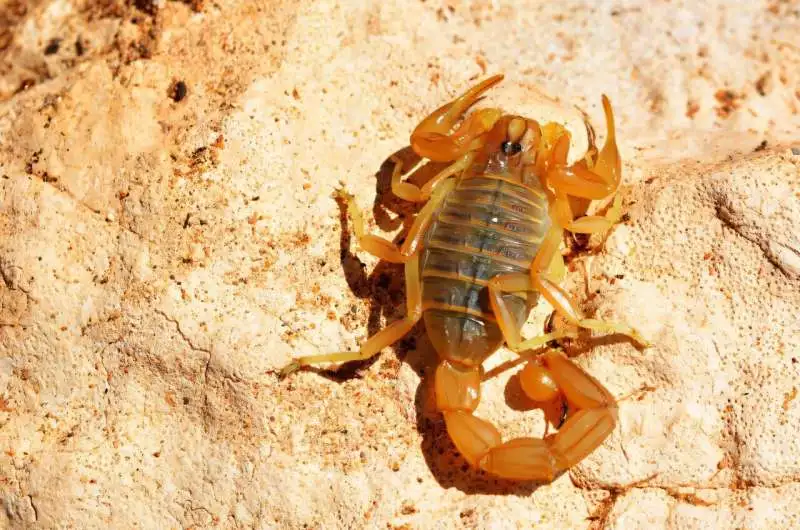
A new study offers a clearer picture of where the world's most venomous scorpions are found, combining real-world observations with computer-based forecasts. This research addresses a serious but often overlooked public health problem, especially in warm regions. More than 3,000 children die each year from scorpion stings. Understanding where these dangerous creatures live and why is a crucial step toward preventing deaths and improving medical responses.
Background on Scorpion Stings
Scorpion stings represent a significant, though often hidden, public health concern globally. This issue is particularly acute in tropical and subtropical areas.
Out of over 2,000 known scorpion species worldwide, only about 100 are considered potentially lethal.
Scorpion stings result in an estimated 3,000 child deaths annually.
Areas lacking easy access to medical care are at greater risk, but dangerous scorpions are also found in urban settings.
Key Factors Influencing Scorpion Distribution
An international team of scientists has worked to identify and map the habitats of the most dangerous scorpion species. Their findings highlight specific environmental elements that influence where these scorpions live and thrive.
Soil Type: The research found that soil composition is a major determinant of where scorpions are likely to reside. This suggests scorpions have specific needs regarding the ground they inhabit.
Temperature: Temperature also plays a critical role, with both average temperatures and the range of seasonal temperature changes impacting the distribution of certain species.
Research Methods and Findings
The study utilized a dual approach:
Field Observations: Scientists gathered direct data from scorpion habitats in Africa. This ground-level information provided a real-world basis for understanding scorpion ecology.
Computer Modeling: This data was then integrated into computer models. These models allowed researchers to extrapolate findings and predict potential scorpion hotspots in other regions.
The integration of field observations with computer modeling provides a novel method for predicting the geographic distribution of dangerous scorpion species.
Read More: Indigenous Data Rights Now Key in Conservation Genomics
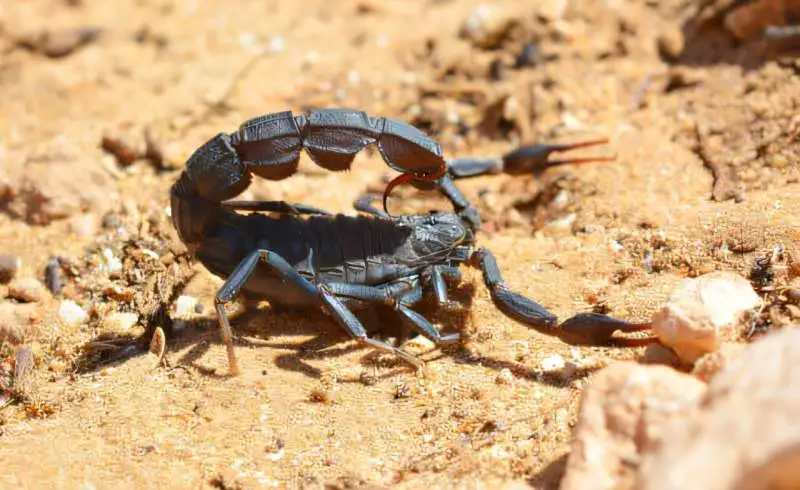
Implications for Public Health and Safety
The ability to predict scorpion hotspots has significant implications for preventing harm and improving health outcomes.
Targeted Prevention: Knowing where dangerous scorpions are likely to be found allows for more focused public health campaigns and educational efforts in high-risk areas.
Antivenom Development and Distribution: Understanding species distribution is essential for the effective development and strategic placement of antivenom, which is crucial for treating stings.
Mitigating Encounters: Better predictions can help communities and individuals take measures to reduce the chances of dangerous encounters.
Expert Perspective
While the study offers valuable insights, further research is needed. Scientists acknowledge that there is still much to learn about scorpion diversity and how to best reduce the risks associated with them.
"Antivenom research is crucial to lowering the frequency of stings, but it’s also important to know where the most dangerous species are located and distributed."
This statement underscores the dual need for both reactive (antivenom) and proactive (distribution mapping) strategies in managing scorpion-related health risks.
Conclusion and Next Steps
This study represents a significant advancement in understanding and predicting the habitats of deadly scorpions. By identifying soil type and temperature as primary drivers of distribution, scientists have a more refined tool for identifying global hotspots.
The findings provide a foundation for future research into scorpion ecology and public health interventions.
Continued collaboration between field researchers and modelers is vital for expanding this predictive capability.
Further efforts are needed to improve antivenom efficacy and accessibility, particularly in regions most affected by scorpion stings.
Sources Used
phys.org: Field observations and computer modeling help predict the world's deadly scorpion hotspots
Link: https://phys.org/news/2026-02-field-world-deadly-scorpion-hotspots.html
Context: This article introduces the core findings of the international study, emphasizing the combined use of field observations and computer modeling to identify scorpion habitats, and highlights the public health implications, particularly child mortality.
Popular Science: Deadly scorpions are picky about their soil
Link: https://www.popsci.com/environment/deadly-scorpion-soil/
Context: This article focuses on the specific role of soil type and the importance of knowing scorpion distribution for public health and antivenom research, noting that even urban areas can be affected.