

Core Dynamics of Permafrost Thaw and Microbial Activity
Recent scientific scrutiny, particularly a study released approximately four hours ago, indicates that when Arctic permafrost thaws, a mere half of the dormant soil microbes reanimate. This finding complicates the widely held assumption that widespread microbial revival is a direct consequence of rising temperatures. Instead, the process appears more nuanced, with only a subset of these ancient organisms becoming active and capable of metabolic functions.
The implications of this partial awakening are significant for understanding the potential release of carbon. While dormant microbes from the last ice age can reactivate and begin to decompose carbon, the limited scope of this reanimation suggests a less immediate or pervasive acceleration of this process than previously feared. Nevertheless, these reactivated microbes are known to start churning out carbon dioxide and methane shortly after thawing, contributing to the powerful greenhouse gases that drive further warming.
Read More: Continents Formed, Helping Life Start on Earth
Carbon Cycle Shifts and Greenhouse Gas Emissions
The Arctic permafrost holds a substantial reservoir of carbon – roughly half of the world's total soil carbon, exceeding the carbon present in the entire atmosphere by more than double. As temperatures climb and this frozen ground thaws, the potential for this carbon to be released as greenhouse gases like carbon dioxide and methane is a central concern. Research published about two weeks ago highlights that warmer, wetter conditions in the Arctic are indeed speeding up carbon loss from these soils, potentially transforming the tundra from a carbon sink into a carbon source. This creates a feedback loop that could further intensify global temperatures.
New insights, emerging from work published around two weeks ago and further elaborated in a study released on May 28, 2024, reveal that soil microbes embedded in permafrost can break down compounds previously thought to be resistant under certain frozen conditions. Specifically, these microbes target polyphenols, a class of compounds not expected to be utilized without oxygen. This discovery adds another layer of complexity to predicting how these activated microbes will interact with and transform ancient organic matter.
Read More: Alaska Fjord Tsunami: 481m Wave After Rockslide
Microbial Communities and Environmental Factors
The variability in microbial response appears linked to several factors. A study published on October 10, 2024, found that the depth of Arctic tundra soil plays a more critical role in shaping bacterial communities than seasonality. Different soil layers—organic surface, subsoil mineral, and the permafrost transition layer—host distinct microbial communities. While seasonal thawing often leads to a decrease in microbial biomass across most soil depths, the fundamental composition of these communities is strongly influenced by how deep the soil is.
Furthermore, research published on November 17, 2025, observed that microbial responses during the aerobic thawing of Alaskan permafrost soils were consistent across studies. Key phyla involved in this thaw response include Actinomycetota, Bacillota, and Pseudomonadota. Pre-thaw bacterial abundance did not vary significantly between sites, but soil abiotic properties did change from pre-thaw to post-thaw conditions.
Read More: Plant Roots Grow More In Drought, Study Shows

Long-Term Perspectives and Broader Impacts
Long-term ecological experiments in the Arctic, including one spanning decades and analyzed in a study released on October 7, 2024, are providing a clearer picture of the intricate relationships between plants, microbes, and soil nutrients. These investigations reveal that the Arctic's response to climate change is more intricate than initially supposed. For instance, after 20 years of an experiment involving added nutrients, a significant loss of soil carbon was observed compared to control plots, a finding that has shaped the broader scientific understanding of carbon release from thawing permafrost.
The potential for airborne microbes to be released from thawing permafrost is also a growing area of investigation. A study published on April 30, 2025, provides the first evidence of permafrost microbial signatures in bioaerosols from permafrost-laden regions, suggesting that increased thaw could lead to higher levels of these airborne microbes, potentially influencing precipitation and further accelerating permafrost thaw.
Read More: Perth Park Project Moves Forward Despite Environmental Concerns
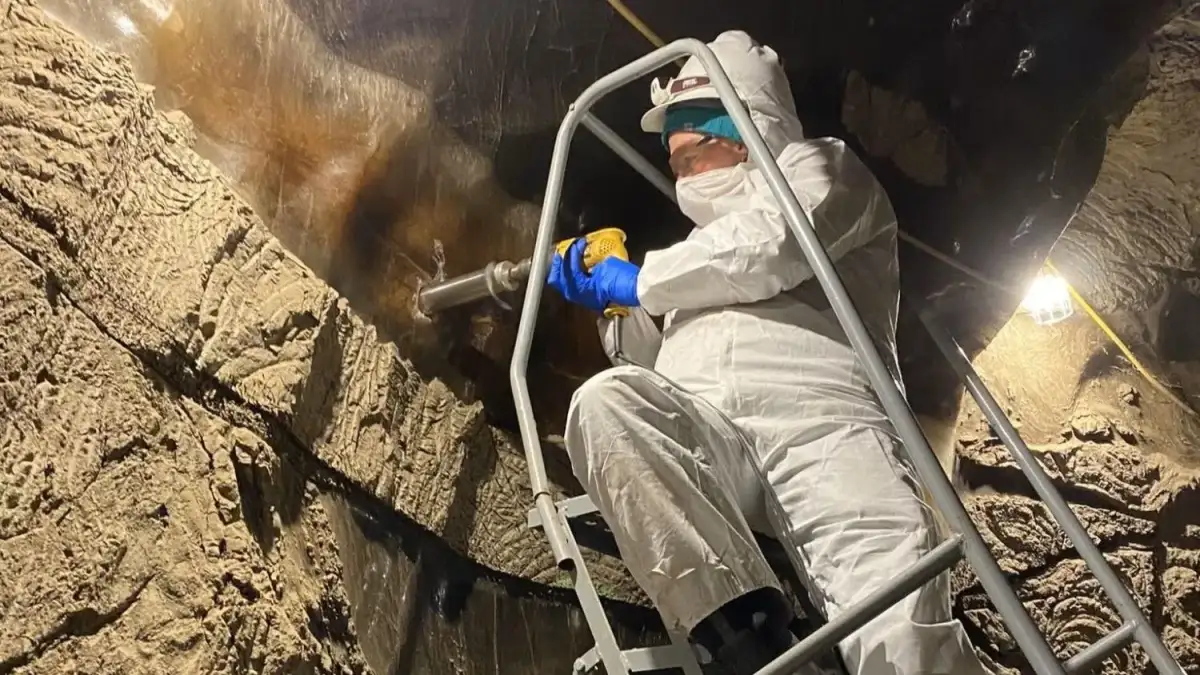
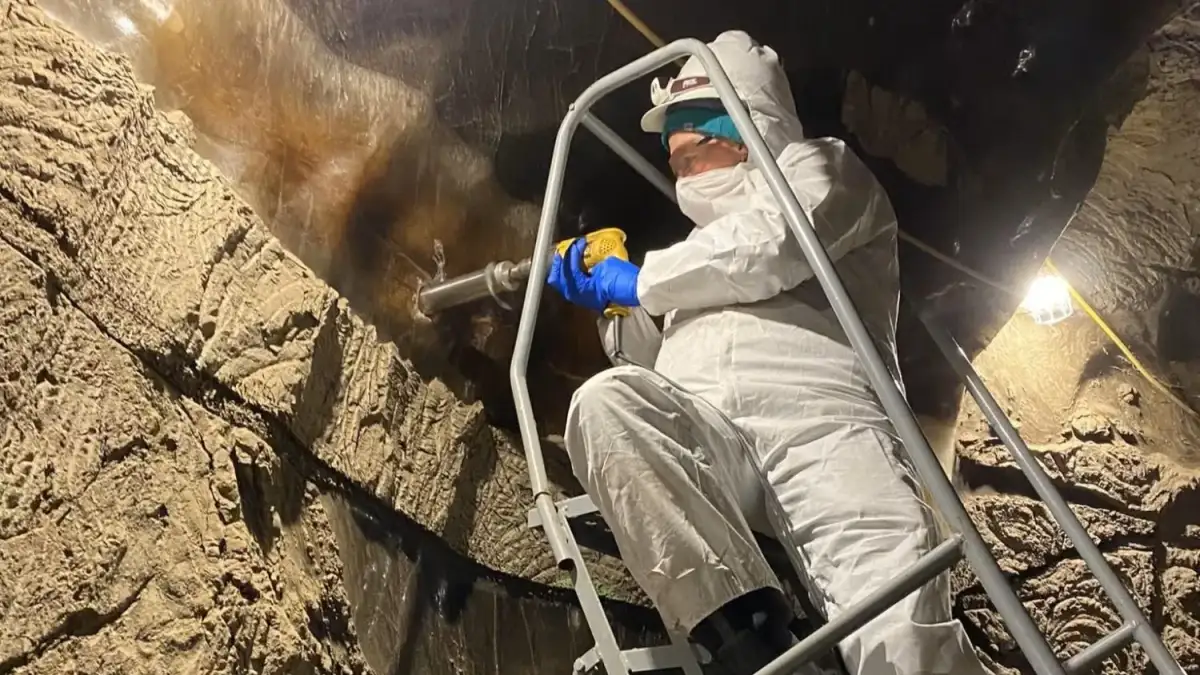
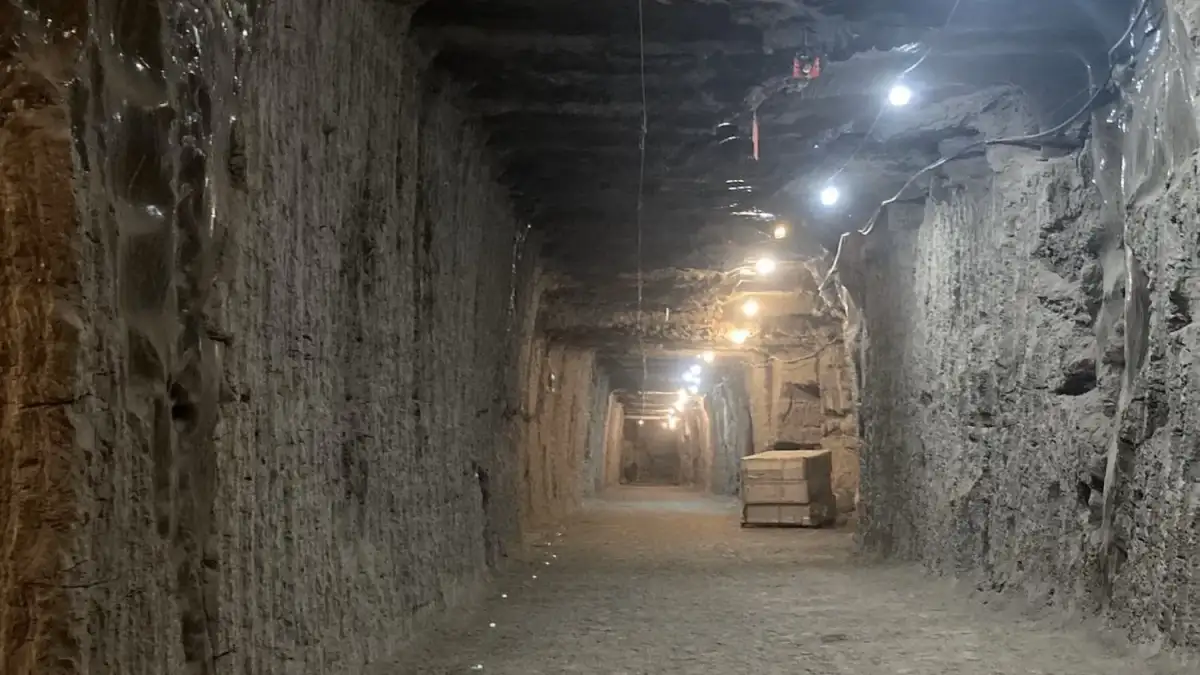
Ultimately, research published on October 13, 2025, demonstrates that microbes from the last ice age can indeed reactivate and resume carbon decomposition. Samples incubated from the Permafrost Research Tunnel near Fairbanks, Alaska, showed this reactivation, especially as deeper permafrost layers experience significant and extended warming. These ancient microbes, lurking deeper than the annually thawing active layer, could awaken as Arctic summers lengthen and temperatures rise, initiating a cycle of carbon emission and further warming.


