PARTICLE DETECTORS FINDING 'GHOST PARTICLES'
Scientists have begun seeing neutrinos, those nearly massless, electrically neutral particles that pass through matter as if it isn't there, with new, often smaller, prototype detectors. This marks a significant step in understanding these fundamental building blocks of the universe and could potentially lead to new insights into physics beyond the current 'Standard Model'.
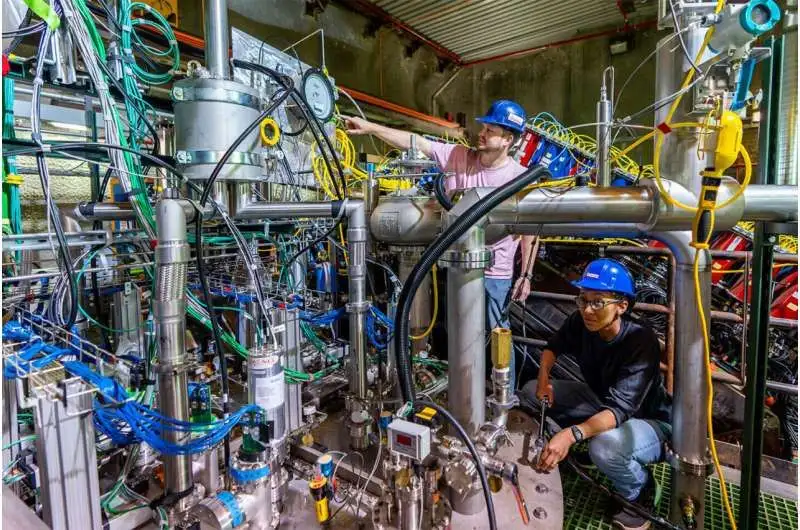
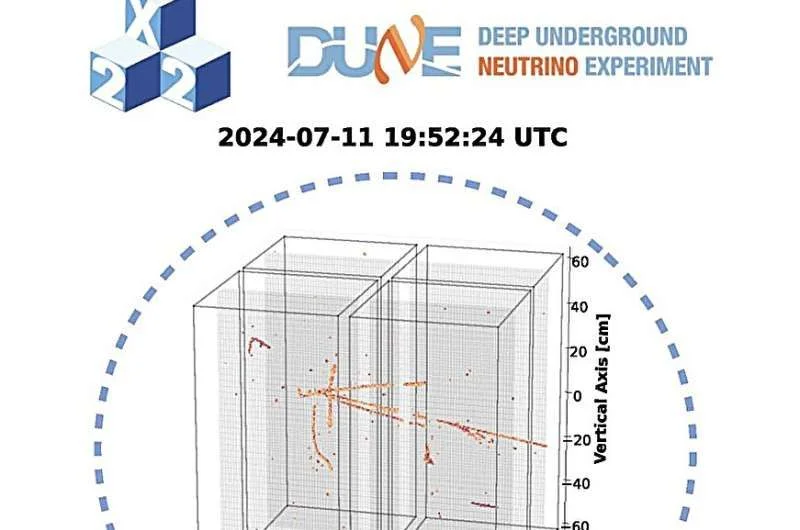
These early successes involve multiple international collaborations and facilities, primarily focusing on the 'Deep Underground Neutrino Experiment' (DUNE) and related short-baseline programs. The DUNE prototype, located at Fermi National Accelerator Laboratory (Fermilab), has successfully detected neutrinos from an intense beam near their origin. This detector, which utilizes liquid argon, is designed to analyze neutrino interactions before they travel long distances, a crucial step for validating the technology intended for the larger, final DUNE experiment.
THE DUNE EXPERIMENT AND ITS PROTOTYPES
The 'Deep Underground Neutrino Experiment' (DUNE), an international undertaking, is employing a prototype detector at Fermilab to observe neutrinos. This prototype, installed in February, is designed to analyze the neutrino beam very close to where it is generated. The plan is for the final near detector of DUNE to feature 35 liquid argon modules, considerably larger than those in the current prototype. This experiment aims not only to study neutrinos but also their antimatter counterparts, antineutrinos.
Read More: Indigenous Data Rights Now Key in Conservation Genomics
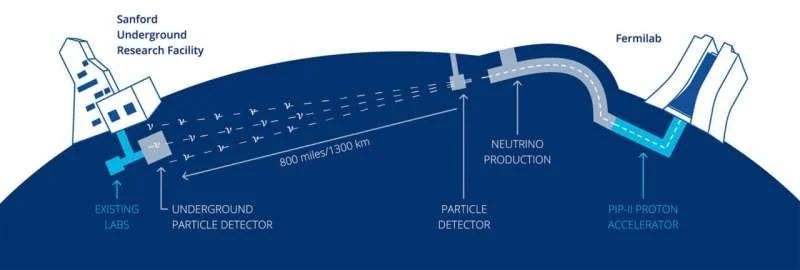
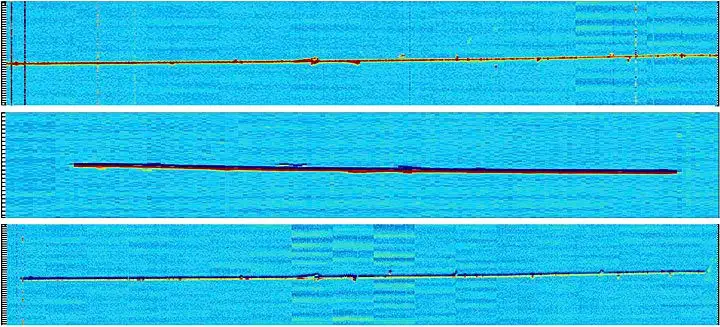
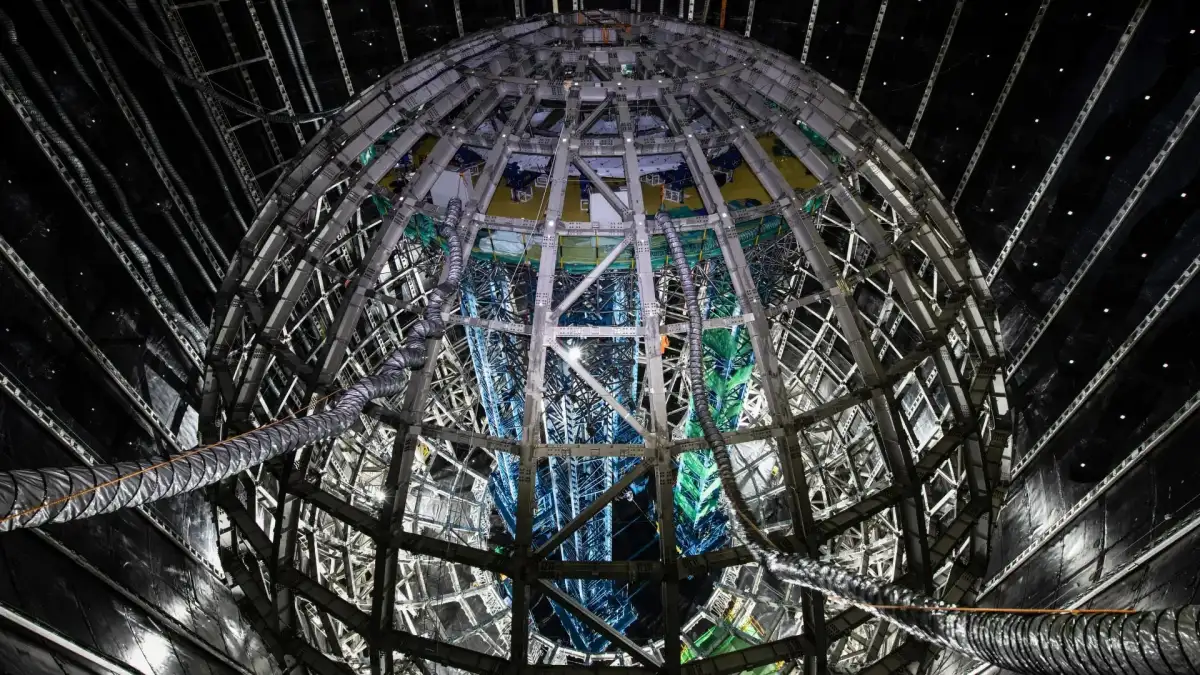
A parallel effort at CERN involves two 'ProtoDUNE' test beds. These detectors are intended to record particle tracks originating from cosmic rays and accelerator beams. One of these detectors, using liquid argon technology, is similar to the technology that will be used for the DUNE modules in the United States. These U.S.-based modules will be situated a mile underground at the Sanford Underground Research Facility in South Dakota.
SHORT-BASELINE DETECTORS ADDING DATA
Beyond the DUNE project, other facilities are also reporting successes. The Short-Baseline Near Detector (SBND) at Fermilab has identified its first neutrino interactions. SBND is part of Fermilab's 'Short-Baseline Neutrino Program', which distinguishes itself by using both a near and a far detector. Located extremely close to the neutrino beam, SBND is expected to register around 7,000 interactions daily, a high volume for this type of instrument. The data collected here will be analyzed to search for evidence of new physics, including a potential fourth type of neutrino, which could challenge established understandings of particle physics and the universe.
Read More: New Rule Found for Proton-Neutron Pairing in Atomic Nuclei
ALTERNATIVE DETECTION METHODS AND SCALING DOWN
The pursuit of neutrino detection also includes novel approaches focusing on smaller, more agile devices. Scientists have successfully detected neutrinos from a nuclear reactor using a device weighing just a few kilograms. This contrasts sharply with the typically massive detectors used for neutrino observation, necessitated by the particles' infrequent interaction with matter.
One technique being explored is 'coherent scattering'. This phenomenon occurs when a neutrino interacts with an entire atomic nucleus, rather than its constituent particles. This interaction, while depositing a tiny amount of energy, is significantly more frequent than other interaction methods used in existing detectors. The CONUS+ experiment, for instance, has detected antineutrinos from a nuclear power plant with a detector mass of only 3 kilograms. While this smaller-scale approach holds promise for applications, it may not be suitable for all large-scale neutrino experiments, as the coherent scattering method does not inherently identify the specific type of neutrino, information vital for studying neutrino oscillations.
Read More: New Room Temperature Photon Source for Quantum Tech in Korea
JUNO AND THE MYSTERY OF NEUTRINO MASS
Meanwhile, the Jiangmen Underground Neutrino Observatory (JUNO), described as the world's largest neutrino detector, has begun operations. Located 700 meters underground between two nuclear power plants, it is filled with 20,000 tons of liquid scintillator. This massive detector, operational for an estimated ten years, aims to precisely characterize neutrino oscillation and resolve a fundamental question in particle physics: the neutrino mass hierarchy, or the relative masses of the three known neutrino types. This next generation of large-scale neutrino experiments promises not only to answer existing questions but also to explore entirely new scientific frontiers.