Amy Eskridge, a scientist involved in researching unidentified flying objects (UFOs) and advanced propulsion, died under circumstances that have drawn intense scrutiny, with new details surfacing that cast doubt on the official ruling of suicide. These revelations emerge as Eskridge's work on "anti-gravity" technology is highlighted, alongside allegations of stalking, break-ins, and direct threats preceding her death in Huntsville, Alabama, in 2022.

== The core of the renewed controversy centers on communications allegedly sent by Eskridge shortly before her death, shared by former British intelligence officer Franc Milburn. These messages describe a pattern of harassment, including alleged break-ins at her apartment, vehicles following her, strangers approaching her with intimate knowledge of her life, and purported attempts to drug her drinks. Eskridge also reportedly voiced fears that her work on anti-gravity technology had made her a target.
Read More: Indigenous Data Rights Now Key in Conservation Genomics

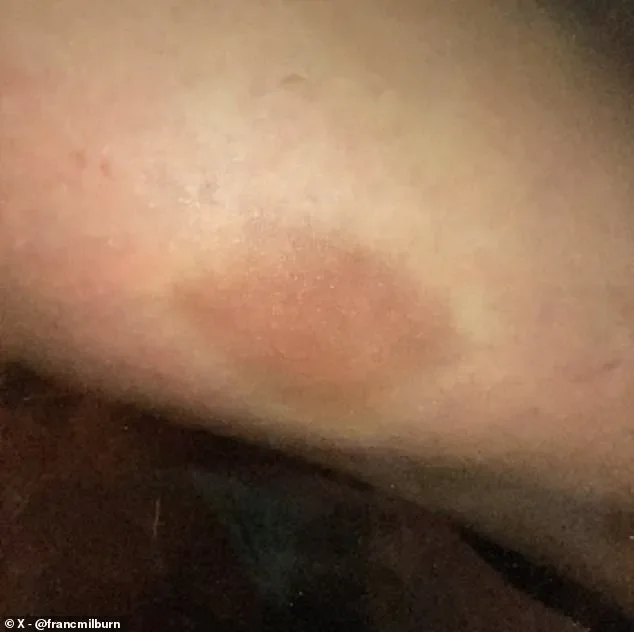
Milburn has presented text messages and video footage that he claims illustrate Eskridge's escalating concerns. In one instance, Eskridge allegedly reported seeing scorch marks on her home window, which she attributed to an "energy weapon" that passed through while she was working. She also described instances where she believed her drink had been tampered with, leading to disorientation and questioning by strangers about her secret scientific projects.
Further complicating the narrative are resurfaced videos, including one from 2019, where Eskridge appears to have been warned about the dangers of publicizing her research. This footage, combined with her own statements about an "Eastern European man" allegedly monitoring her in a Lexus, intensifies the questioning of the suicide verdict. Eskridge, who co-founded the Institute for Exotic Science, reportedly believed that public disclosure was key to her safety.
Read More: Alabama Man Dies of Heart Attack After Killing Partner

The circumstances of Eskridge's death have become linked to a broader pattern, with reports indicating she is the eleventh scientist connected to sensitive research on space or nuclear matters to have died or vanished mysteriously in recent years. This alleged pattern has put national security experts on edge.
Family Disagrees With Speculation
Eskridge's family, including her father, Richard Eskridge, a retired NASA engineer specializing in plasma physics and fusion technology, has publicly refuted claims that her death was suspicious. They maintain that there is no mystery surrounding her passing, despite the ongoing speculation fueled by the newly revealed information and Milburn's statements.
Eskridge's Research
Eskridge was known for her work in propulsion research, focusing on concepts that challenged conventional aerospace technology. Her public presentations on "anti-gravity" were reportedly an effort to find scientists and investors for her work. The potential applications of such technology, including revolutionizing space travel and energy production, underscore the sensitive nature of her research.
Read More: New Room Temperature Photon Source for Quantum Tech in Korea
Official Ruling and Continued Questions
Authorities officially ruled Eskridge's death a suicide following a self-inflicted gunshot wound. However, the emergence of her alleged communications detailing fears for her safety and claims of sophisticated stalking have led to renewed calls for deeper investigation into the circumstances surrounding her death. The lack of transparency surrounding these events has only amplified existing conspiracy theories.