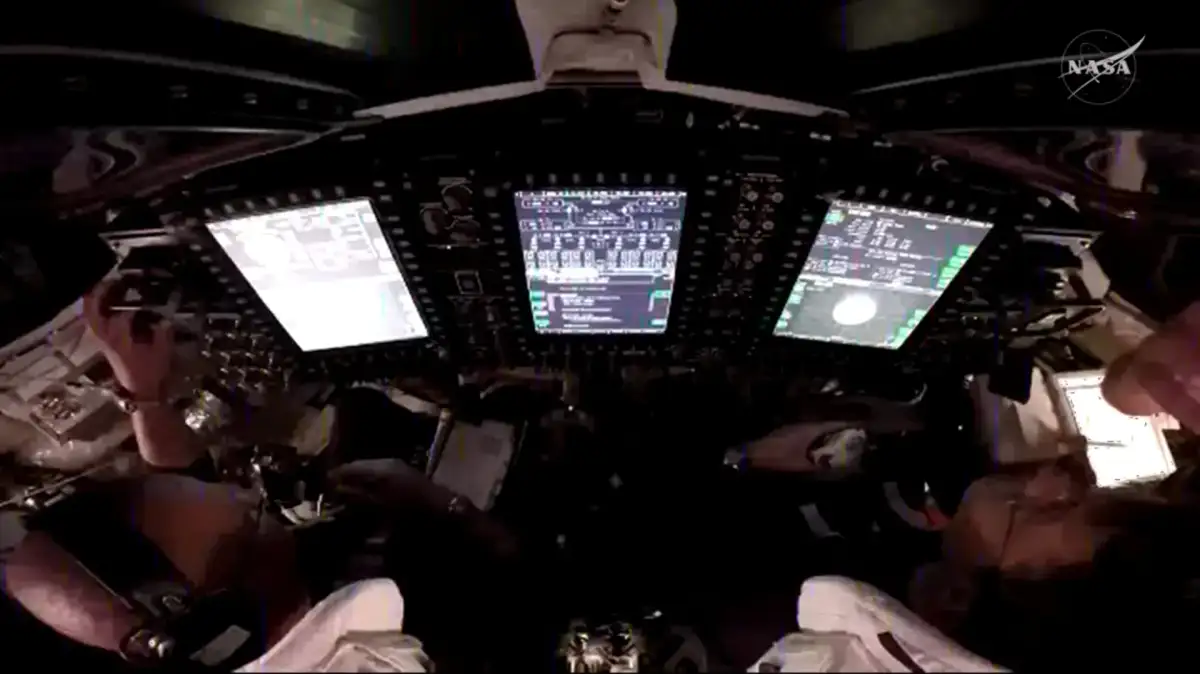
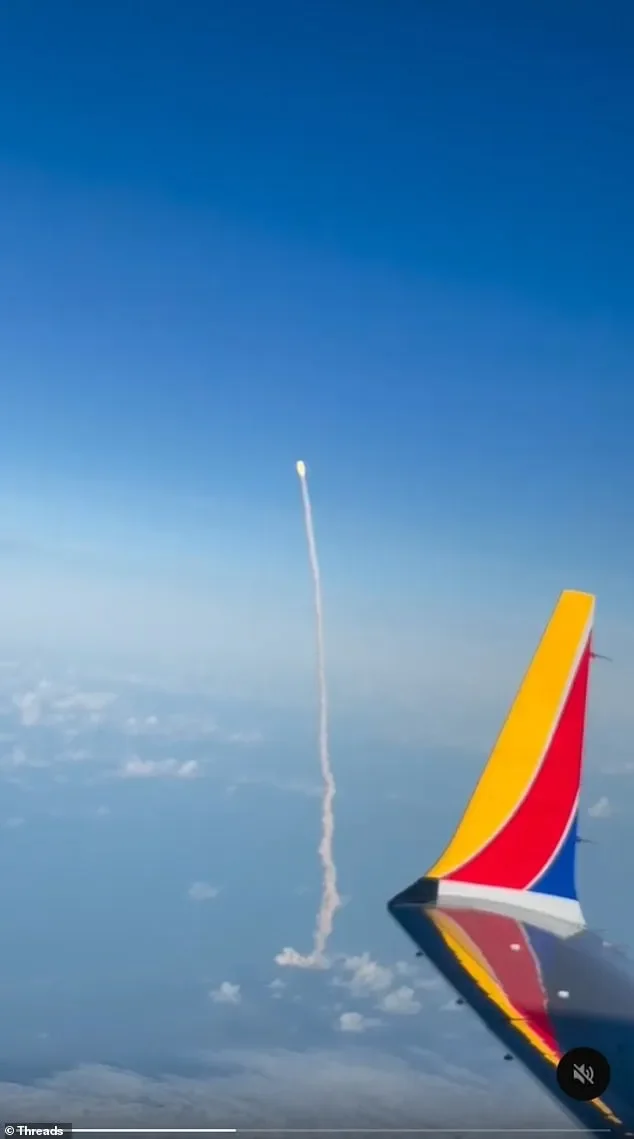
A recent NASA report has described a series of critical failures related to Boeing's Starliner spacecraft, leading to a mission mishap that extended the stay of two astronauts aboard the International Space Station (ISS) for months. The findings highlight significant issues in testing, communication, and leadership within both Boeing and NASA, raising concerns about safety and oversight in space missions.

The Starliner program, intended to ferry astronauts to and from the ISS, has experienced ongoing difficulties. This particular mission, which was meant to be a brief demonstration of the spacecraft's readiness, evolved into a protracted situation where the astronauts, Butch Wilmore and Suni Williams, could not return to Earth as planned. The situation became serious enough that NASA ultimately decided to have the astronauts return on a SpaceX capsule, a departure from the original plan for a Boeing-led return.
Read More: Artemis II astronauts launch to Moon orbit for first time in 53 years

A Pattern of Strained Progress
Boeing's Starliner spacecraft has faced a complex journey toward operational status. The program, part of NASA's Commercial Crew Program, was designed to offer a second option for transporting astronauts to the ISS. However, from its inception, the Starliner project has been marked by delays and technical challenges.

The mission's original timeline was for an eight- to 14-day stay on the ISS.
The astronauts eventually spent nearly nine months on the orbiting laboratory.
Initial NASA oversight allowed Boeing to conduct self-investigations into its own program issues.
Findings of the NASA Investigation
The comprehensive NASA report, classified as a "Type A mishap," details a litany of problems that endangered the crew and mission objectives. The investigation pointed to systemic weaknesses that allowed the mission to proceed despite unresolved issues.

Inadequate Testing: The report cites insufficient testing procedures as a key contributor to the Starliner's malfunctions.
Communication Breakdowns: A lack of clear and effective communication between Boeing and NASA teams was identified as a significant problem.
Leadership Deficiencies: Failings in leadership and decision-making were observed on both the NASA and Boeing sides, affecting oversight and corrective actions.
Thruster Malfunctions: A critical incident occurred during docking when Starliner's thrusters malfunctioned, leading to a temporary loss of control. This event, according to NASA Administrator Jared Isaacman, could have had catastrophic consequences.
"We almost did have a really terrible day." - Jared Isaacman, NASA Administrator
Accountability and Oversight
NASA officials, including Administrator Jared Isaacman, have spoken critically about the circumstances surrounding the Starliner mission. The agency has acknowledged its own role in the shortcomings, particularly in its oversight of Boeing.
NASA's Role: The report indicates that NASA's "lax oversight" of Boeing, a long-standing contractor, played a part in the mission's issues.
Boeing's Responsibility: Administrator Isaacman specifically called out "poor leadership and decision-making at Boeing" for the spacecraft's troubles.
Safety Panel Criticism: A NASA safety panel also criticized agency officials for how they handled the mission and appeared to "downplay" the severity of the issues.
"The institutional shortcomings that led to the Starliner incident did not extend to parts of the agency that determine that safety for the Artemis moon mission." - Jared Isaacman, NASA Administrator, addressing concerns about the broader impact.
Corrective Actions and Future Implications
NASA has stated that corrective actions will be implemented, and there will be "leadership accountability." The agency is committed to addressing the identified problems before any further crewed missions are assigned to the Starliner.
Read More: OpenAI API Service Down April 6 Caused ChatGPT and Other Services to Fail
Quality Control Issues: Reports specifically highlight "significant quality control issues" and "Boeing's ineffective quality management." Welding issues were attributed to inexperienced technicians and poor supervision.
Potential Penalties: Investigations have called for "financial penalties" against Boeing for failing to meet quality control standards.
Continued Partnership: Despite the severe findings, NASA intends to continue working with Boeing to resolve the Starliner's issues, emphasizing the need for robust fixes before future flights.
The investigation's findings draw parallels to past space shuttle disasters, underscoring the gravity of the failures. NASA aims to ensure that such critical errors are not repeated, particularly as the agency looks toward future exploration endeavors like the Artemis moon missions.
Sources:
NBC News: https://www.nbcnews.com/science/space/nasa-report-damning-picture-boeing-starliner-mishap-astronauts-rcna259792 (Published 51 minutes ago)
CNN: https://www.cnn.com/2026/02/19/science/nasa-boeing-starliner-investigation-report (Published 1 day ago)
Live Science: https://www.livescience.com/space/space-exploration/there-will-be-leadership-accountability-bungled-boeing-starliner-mission-put-stranded-nasa-crew-at-risk-report-says (Published 3 hours ago)
Scientific American: https://www.scientificamerican.com/article/nasa-says-a-litany-of-failures-led-to-2024-boeing-starliner-astronaut/ (Published 2 hours ago)
AP News: https://apnews.com/article/boeing-starliner-nasa-space-station-d9cc3e080dc71df39992f186ce1fbefe (Published 3 hours ago)
Space.com: https://www.space.com/space-exploration/human-spaceflight/we-almost-did-have-a-really-terrible-day-nasa-now-says-boeings-1st-starliner-astronaut-flight-was-a-type-a-mishap (Published 1 hour ago)
Gizmodo: https://gizmodo.com/safety-panel-calls-nasa-out-for-downplaying-the-boeing-starliner-mess-2000702881 (Published Dec 23, 2025)
Firstpost: https://www.firstpost.com/tech/nasa-boss-writes-damning-report-on-boeing-calls-for-massive-penalties-for-quality-control-issues-13804075.html (Published Aug 13, 2024)
Daily Mail: https://www.dailymail.co.uk/sciencetech/article-13728271/nasa-report-boeing-starliner-astronauts-stranded-space.html (Published Aug 10, 2024)