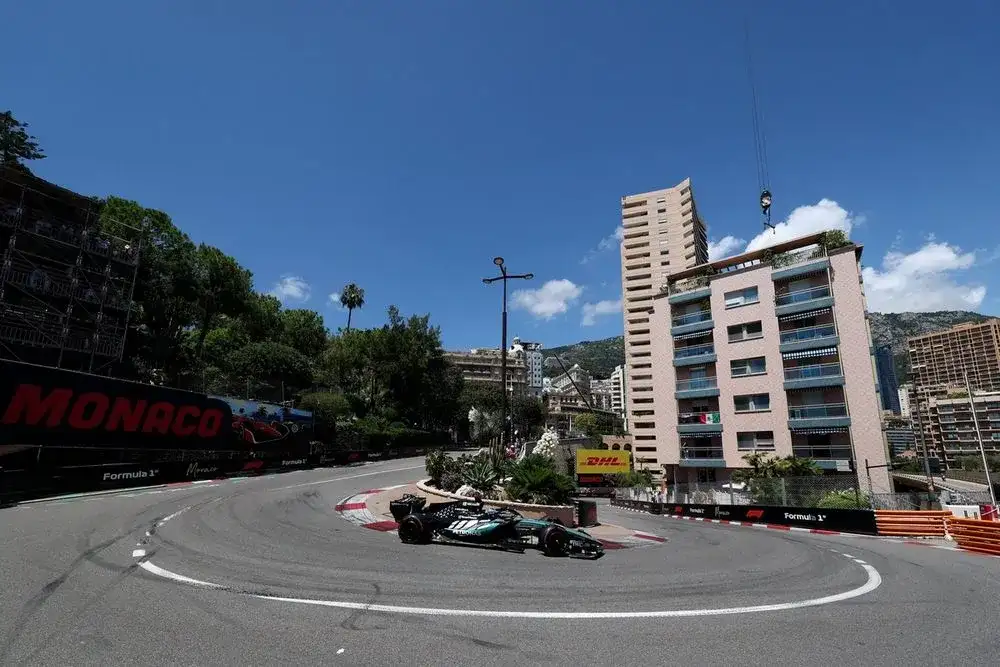
The 2026 Formula 1 pre-season testing in Bahrain has started with significant tension. The sport is moving to a new era of car design and engine rules, but several top drivers have expressed serious worries about how these cars feel to drive. World champions including Max Verstappen, Lewis Hamilton, and Fernando Alonso have pointed out issues with the new power units and car handling.
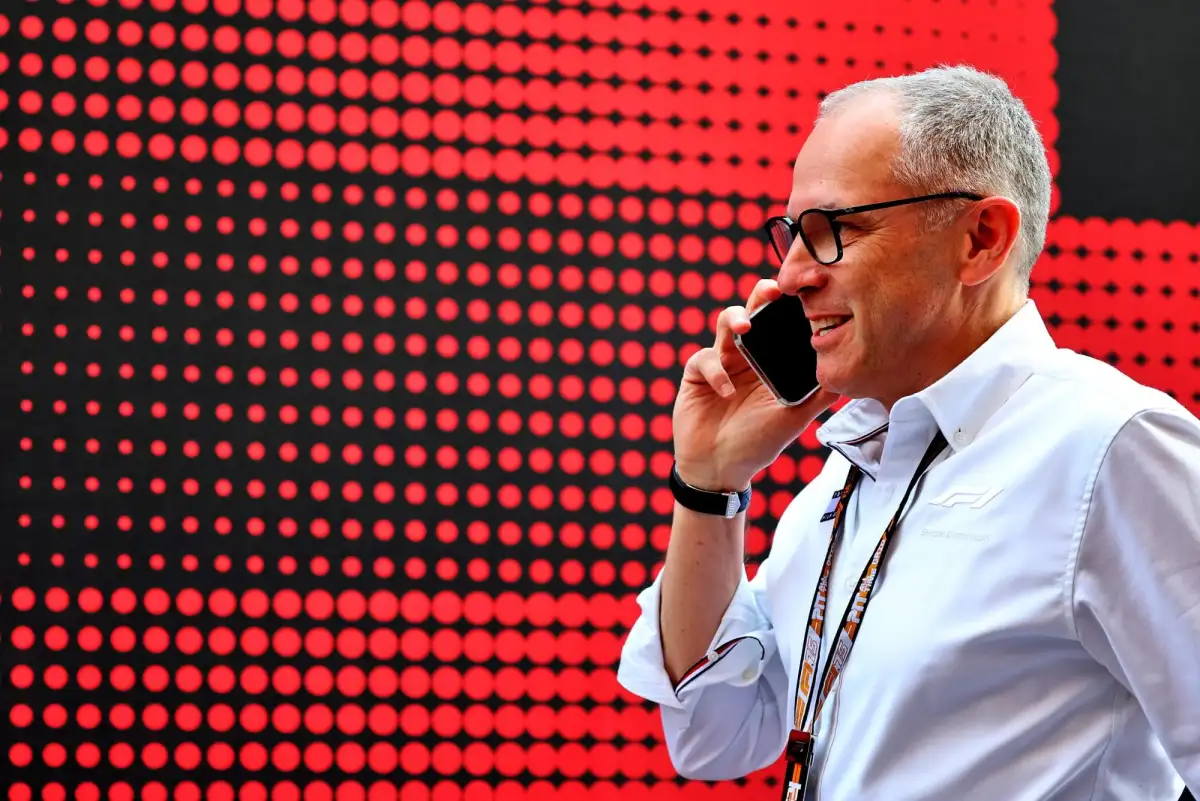
In response, Stefano Domenicali, the Chief Executive of Formula 1, has asked teams and fans not to panic. He argues that the sport needs time to see how the cars perform in a real race before making changes. While the cars use new technology to be more sustainable, some drivers fear the focus has shifted too far from pure racing toward managing battery power. This report looks at the facts behind the new rules and the different views within the paddock.
Read More: George Russell Struggles: 43 Points Behind Teammate Antonelli
Timeline of the 2026 Regulation Shift
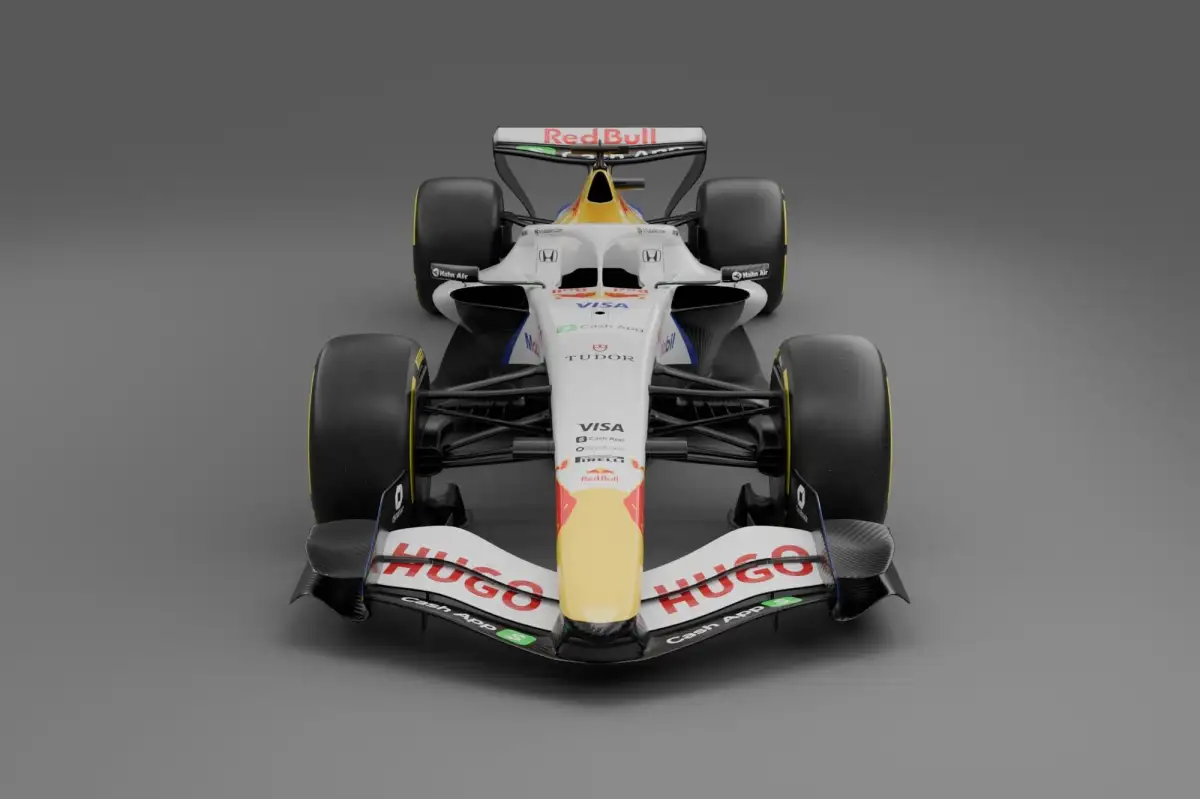
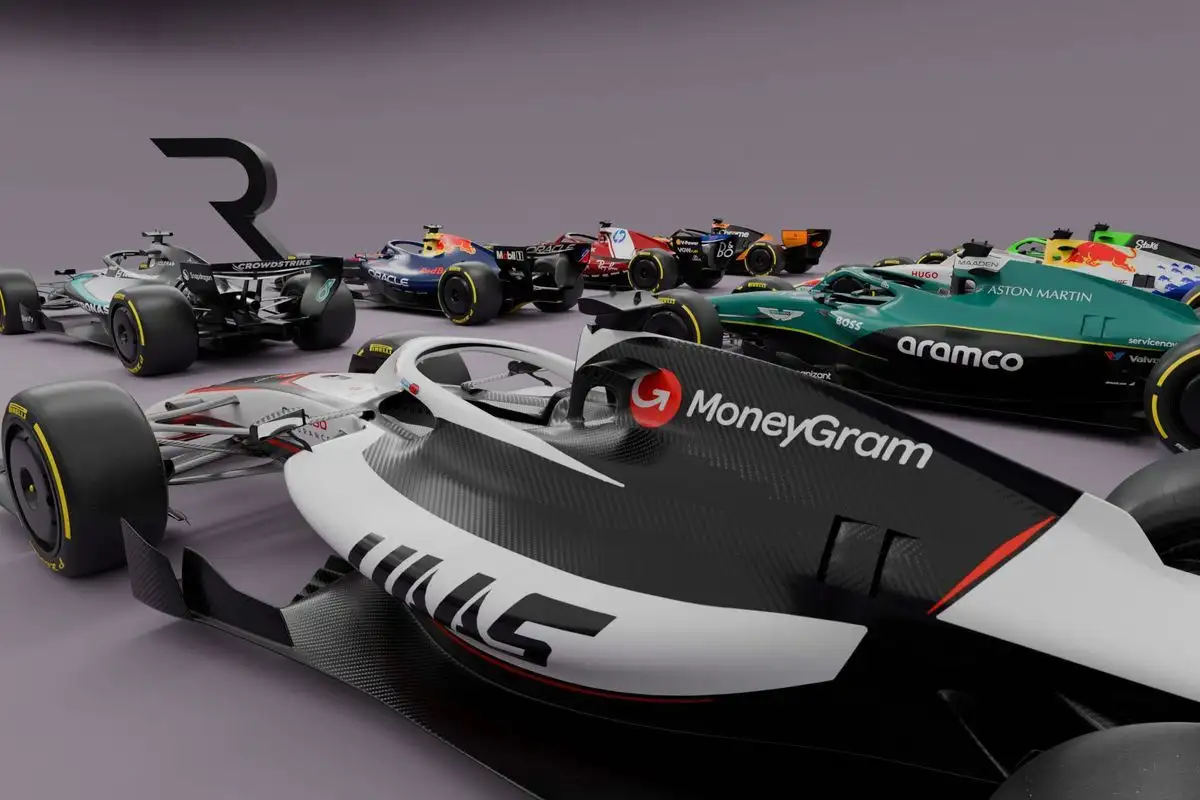
The move to the 2026 rules represents one of the largest changes in the history of the sport. Unlike previous years where only the car shape or the engine changed, this reset affects both at the same time.
August 2024 – 2025: Formula 1 and the FIA finalized the technical rules. The goal was to attract new engine makers like Audi and Ford while keeping current brands like Ferrari and Mercedes.
Late 2025: Teams began private testing of the new engines. Early data suggested the cars might be slower in corners because of the extra weight from larger batteries.
February 2026: Official pre-season testing begins in Bahrain. This is the first time all 11 teams are on track together with the new cars.
March 2026: The first race is scheduled for the Australian Grand Prix, which will serve as the first real test of the new rules in a competitive setting.
Evidence of Technical Disagreement
Official reports and driver statements highlight a clear gap between the goals of the rule makers and the experience of those behind the wheel.
| Feature | Regulation Goal | Driver/Team Concern |
|---|---|---|
| Power Unit | 50/50 split between fuel and electric power. | Engines may run out of energy on long straights. |
| Active Aero | Wings move to reduce drag and help overtaking. | Unpredictable car balance at high speeds. |
| Energy Use | Drivers must "charge" the battery during laps. | Drivers cannot drive "flat-out" in every corner. |
| Car Size | Smaller and lighter cars to help racing. | Hybrid parts make it difficult to actually lower the weight. |
"We don’t think the patient has got any serious condition. All the other things are part of the nature of development." — Stefano Domenicali, F1 CEO
Core Insight: The disagreement centers on whether "energy management" is a skill that adds to the sport or a technical hurdle that ruins the "flat-out" nature of racing.
Deep Dive: Battery Power vs. Driving Speed
The new 2026 engines rely heavily on electric power. For the car to have enough energy to pass another driver, it must often go slower in certain corners to "charge" the system.
The Technical View: The FIA and F1 leaders believe this adds a new layer of strategy. Drivers must decide when to use their "Boost mode" to make a move.
The Driver View: Charles Leclerc and Lando Norris have noted that having to go slower to charge the battery feels unnatural for Formula 1. They worry that if everyone is charging at the same time, overtaking will actually become harder, not easier.
Deep Dive: The "Don't Overreact" Policy
Stefano Domenicali has repeatedly warned against changing the rules too quickly. He points to past rule changes where people were worried at the start, but the racing eventually became very close.
Read More: FIFA World Cup 2026 Revenue Reaches $15 Billion With New Ticket Prices
Stability: Domenicali suggests that the current rules should be given a few races to work. He believes that teams will find "workarounds" to the current problems as they learn more about their cars.
Tweaks: While he urges calm, he has admitted that the F1 Commission (the group that makes rules) met recently to discuss small changes to how energy is used. This suggests that while he asks for calm in public, there is active work behind the scenes to fix potential flaws.
Deep Dive: Impact on the "Spectacle"
A major concern for the sport's owners is whether the new cars will look "slow" or "unappealing" to fans.

Speed Concerns: Because the cars must manage energy, they are slower through some sections of the track than the 2025 cars.
Communication: Domenicali has mentioned that F1 needs to "simplify the language" used to explain these changes to fans. If the rules are too complex, new fans might find the sport hard to follow.
The Competitive Order: In December 2025, Domenicali noted that these rules would "shatter" the grid. This means the gap between the fastest and slowest teams might grow larger at first, which could make the races less exciting until the teams catch up to each other.
Expert Analysis
Lando Norris recently changed his view on the new cars. After starting the week with a positive outlook, he admitted to being "concerned" after seeing how the energy management works on track. He agreed with Max Verstappen, who has been a vocal critic of the hybrid balance.
Investigative observation suggests a pattern:
Is the "Boost mode" sufficient to overcome the drag created by the new car designs?
Will the need for "energy harvesting" create a "train" of cars where no one can pass?
Experts at The Race and BBC Sport suggest that while the "beating heart" of the sport is the engine, the shift to a 50/50 hybrid split is the most risky change F1 has made in decades. The move was necessary to keep manufacturers involved, but it may have come at the cost of the "raw" driving experience drivers prefer.
Conclusion
The investigation into the 2026 rule rollout shows a clear divide. Formula 1 management is focused on long-term goals: sustainability, keeping big car brands, and technical progress. On the other side, the drivers are focused on the immediate physical experience: speed, the ability to attack, and the feeling of the car.
Read More: Kimi Antonelli Takes Pole for 2026 Monaco Grand Prix
Stefano Domenicali has taken a firm stance against "panic" or "overreacting." However, the fact that the F1 Commission is already discussing "tweaks" to energy usage shows that the driver concerns are being taken seriously. The next major step will be the Australian Grand Prix. Only then will it be clear if the cars can provide the high-speed racing fans expect, or if the "energy management" era requires further technical changes.
Primary Sources
The Guardian: Domenicali pleads for calm over fears new rules will wreck Formula One (Details on driver criticism and Domenicali’s response).
The Athletic/NYT: F1 president Stefano Domenicali warns against ‘panicking’ over new cars (Context on energy demands and Ferrari's concerns).
BBC Sport: F1 pre-season testing: Stefano Domenicali calls for calm (Details on the four world champions' disparaging comments).
Crash.net: F1 boss responds to drivers’ concerns about 2026 rules (Domenicali's "open-mindset" philosophy).
Autosport: F1 to simplify language with 2026 rules changes (Information on active aerodynamics and fan communication).