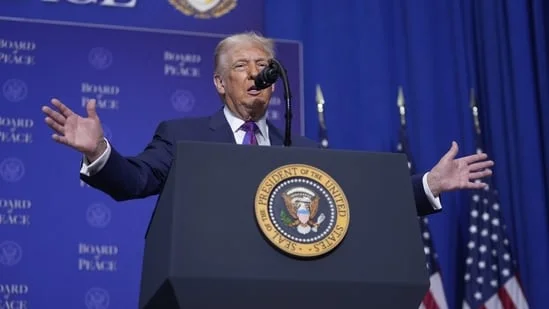
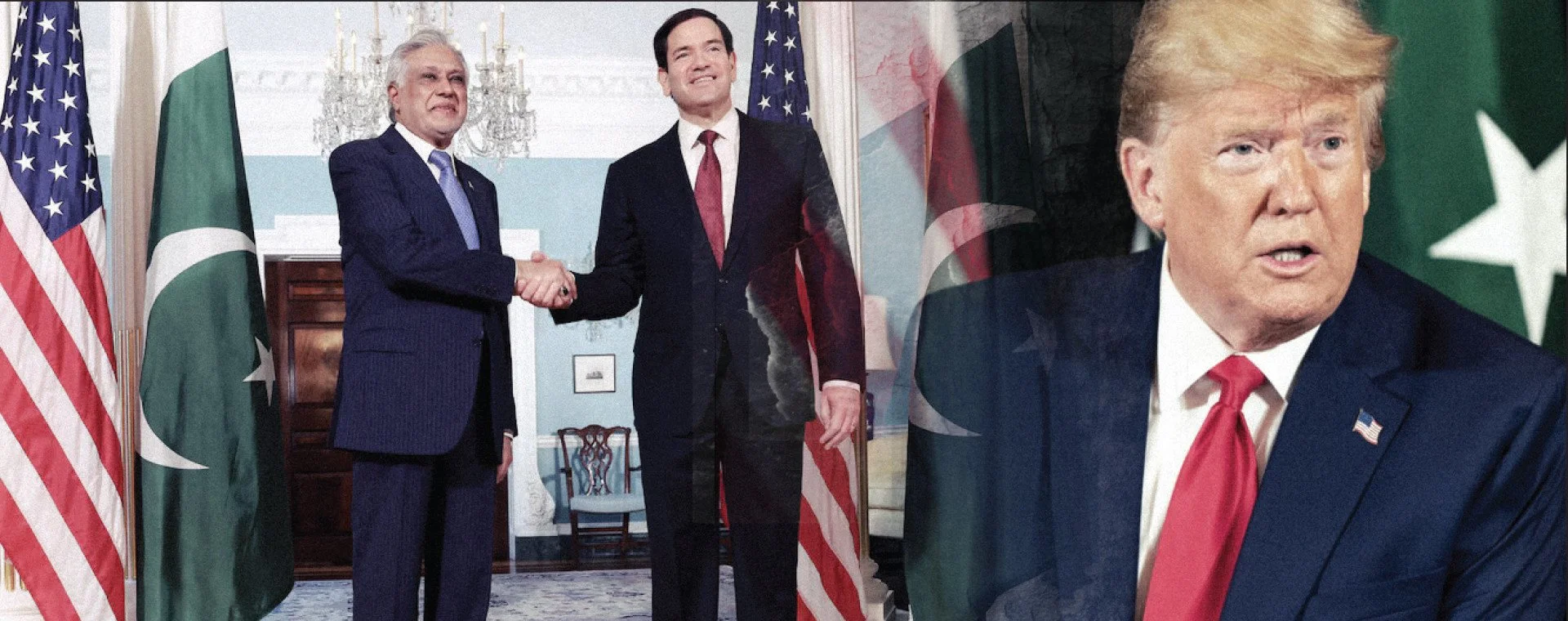
US President Donald Trump has stated again that he prevented a major war between India and Pakistan. Speaking at the "Board of Peace" event in Washington, he claimed that his threat to put 200% tariffs on both countries forced them to stop fighting. During this speech, he added a new detail: he claimed 11 expensive fighter jets were shot down during the conflict. This event refers to a period of high tension in May 2024, following a terrorist attack in Pahalgam, Jammu and Kashmir. While the President takes credit for the peace, the Indian government continues to say that no third party helped settle the dispute.
Timeline and Key Figures
The events described by the President involve a mix of trade pressure and military action.
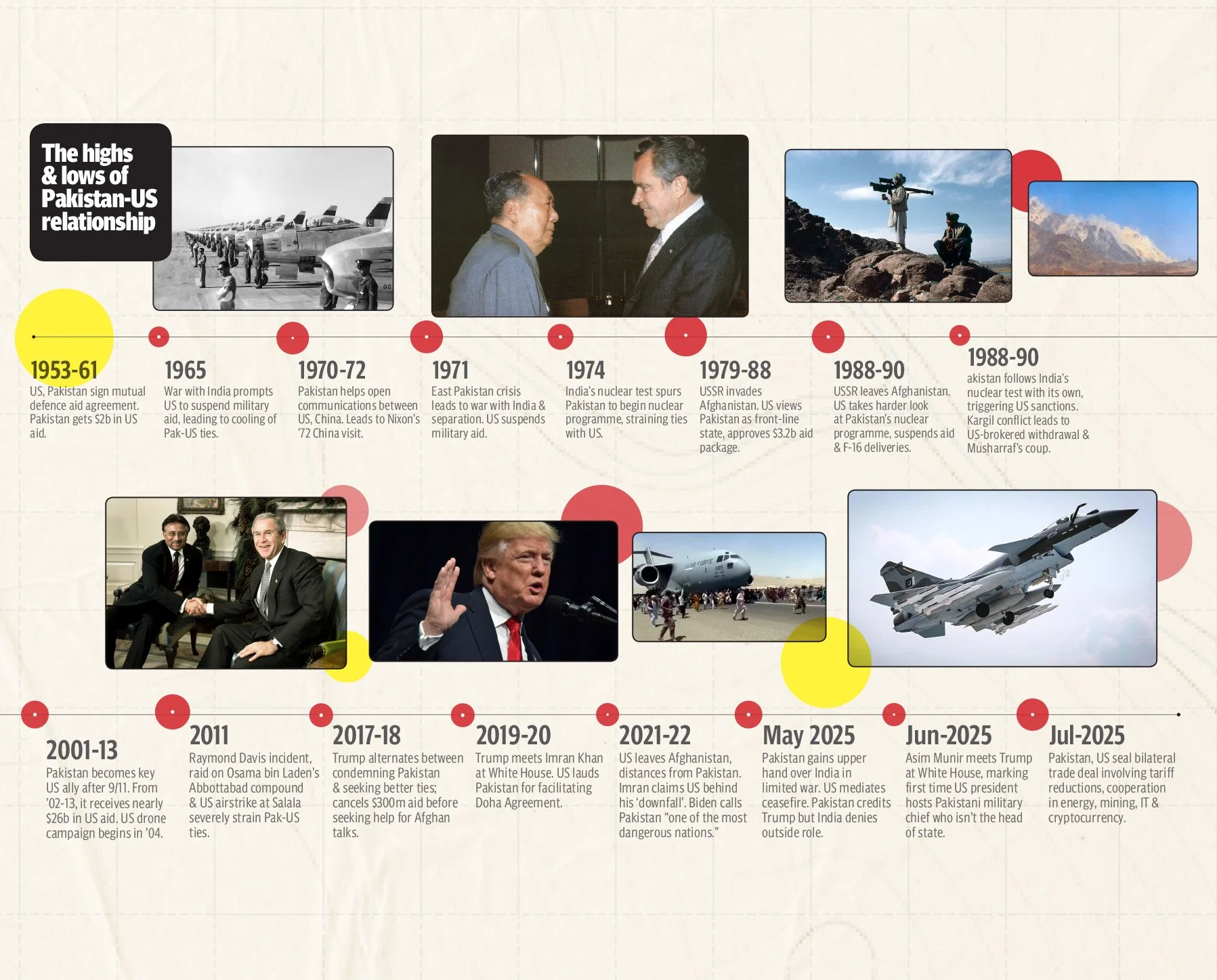
May 2024: A terrorist attack in Pahalgam kills 26 tourists. India responds with "Operation Sindoor," hitting targets in Pakistan.
The Actors: US President Donald Trump, Indian Prime Minister Narendra Modi, and Pakistani Prime Minister Shehbaz Sharif.
The Conflict: President Trump described the situation as "two nuclear nations" that were "going at it" and could have started a nuclear war.
The Result: A ceasefire was reached, which Trump claims happened only because he threatened to destroy their economies with high taxes on goods.
"I said, if you fight, I am going to put 200 per cent tariffs on each of your countries. When it came to losing a lot of money, they said, I guess we do not want to fight." — Donald Trump
Reported Evidence and Numbers
The President's account includes specific numbers and trade figures that he uses to support his claim of successful mediation.
Read More: US F-15E Strike Eagle downed over Iran on Friday creates new military and diplomatic risks
| Subject | President Trump's Claim | Official Records / Context |
|---|---|---|
| Military Losses | 11 jets were shot down. | Military reports from the time did not confirm this specific number of lost aircraft. |
| Trade Penalty | 200% tariffs threatened. | Trump often uses trade as a tool; a trade deal between the US and India was announced in February 2026. |
| Risk Level | The conflict would have gone nuclear. | Both nations possess nuclear weapons, but neither officially moved toward using them. |
| Total Success | 8 wars settled during his term. | The President lists this as one of many global disputes he has ended through pressure. |
Highlight: Trump claims his personal relationship with both leaders and the fear of losing money were the only reasons the war stopped.
Differing Accounts of the Peace
The Role of Trade Pressure
President Trump suggests that trade is the best way to stop wars. He stated that he "got to know Pakistan through a little trade" and knew Prime Minister Modi very well. He believes that the threat of losing the American market was more powerful than any military threat. This view shows peace as a business deal where both sides choose money over fighting.
The Stance of the Indian Government
The Indian government has a very different view. They have firmly said that they do not want or use "third-party mediation." India maintains that its issues with Pakistan are bilateral, meaning they handle them alone. They have not confirmed that Trump's tariff threats were the reason they stopped military actions. Instead, they frame their actions as a direct response to terrorism.
Read More: Karoline Leavitt White House Press Secretary Job Unsteady After Criticism
The Mystery of the "11 Jets"
The claim that 11 expensive jets were shot down is a new detail. During the May 2024 standoff, there were reports of air activity, but no official report from either the Indian or Pakistani military confirms the loss of 11 aircraft. This raises questions about where this data comes from. Is this a specific piece of secret intelligence, or is the number an estimate used to show the scale of the fighting?
Expert Analysis
Investigators and political experts look at these claims by comparing the timing of trade deals with military pullbacks.
Trade as a Weapon: Experts note that Trump uses "tariff diplomacy" frequently. By linking peace to trade, he changes the way countries negotiate.
Public vs. Private Talk: It is possible that private warnings were more intense than what was shared with the public. However, without official documents from the State Department, these claims rely entirely on the President's words.
Impact on Relations: The Indian government's rejection of the mediation story suggests a desire to remain seen as a strong, independent power. Accepting Trump's story would mean admitting that US trade pressure dictates Indian military policy.
Findings and Current Status
The investigation into these claims shows a clear gap between the President's story and the official records of the involved nations.
Mediation: There is no written proof or joint statement from India or Pakistan confirming that the 200% tariff threat was the "decisive factor" in the ceasefire.
Military Facts: The loss of 11 fighter jets remains unverified by independent defense monitors or official military spokespeople.
Diplomatic Context: The claims come at a time when the US has just signed new trade deals with India, suggesting that trade remains a central part of their relationship.
Next Steps: Observers will watch for any official response from the Indian Ministry of External Affairs or the Pakistani government to verify if such a tariff ultimatum was ever delivered through formal channels.
Sources
Hindustan Times: Trump repeats claim of 'stopping' India-Pak war with new twist
The Week: Trump claims he stopped India-Pak conflict after tariff threat
The Hindu: Trump repeats claim he ended conflict; threatened 200% tariffs
Business Standard: Trump claims, again, that he stopped India-Pak war
News18: At Board Of Peace Meet, Trump Reasserts Tariff Threat
The Statesman: US Prez again claims to have stopped India-Pak war
Business Today: 'It would have been nuclear': Trump repeats ceasefire claim
The Express Tribune: Three ‘Cs’ & a ceasefire: how Pakistan won Trump over