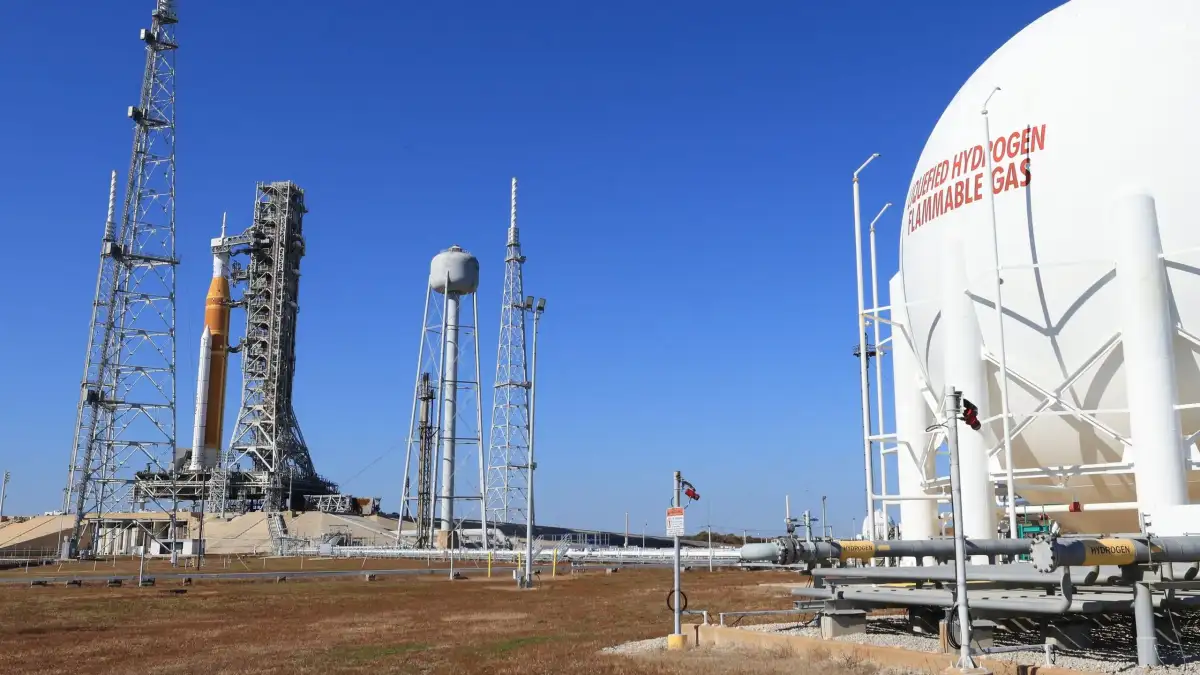
NASA is conducting a vital test of its massive Space Launch System (SLS) rocket. This wet dress rehearsal is designed to load the rocket with over 700,000 gallons of super-cold fuel. The success of this test is key to setting a firm launch date for the Artemis 2 mission, which will carry four astronauts around the moon. A previous fueling attempt was halted due to hydrogen leaks, causing delays. This second attempt is seen as a make-or-break moment for the program's timeline.
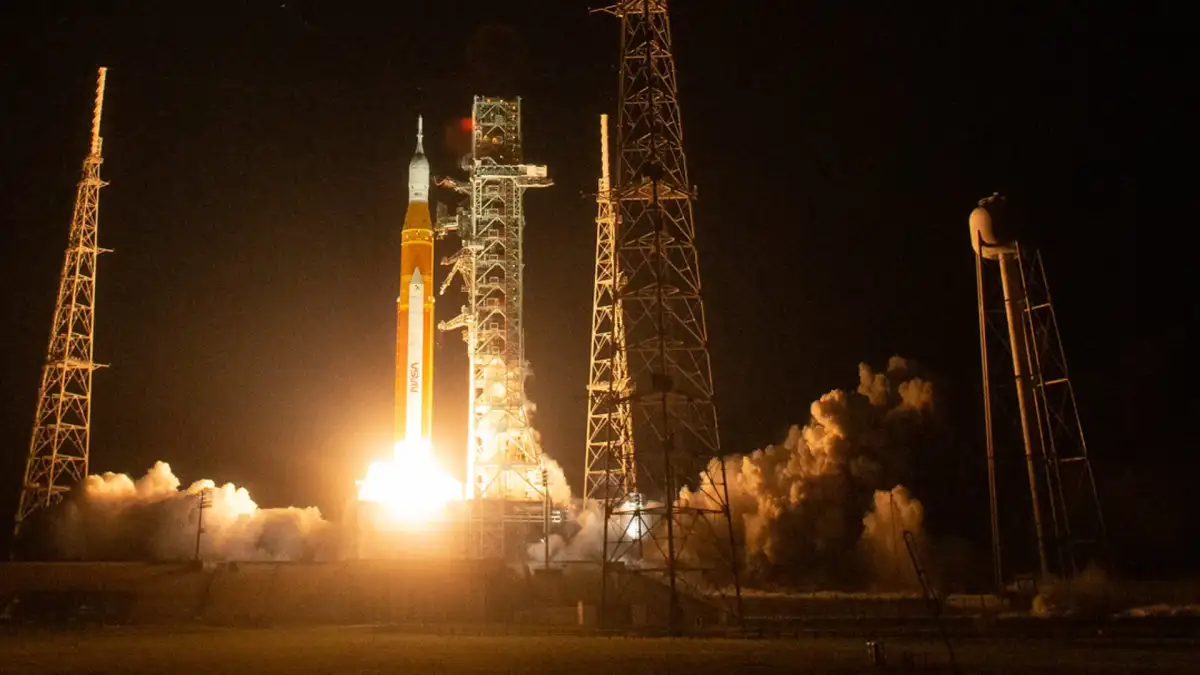
Countdown to Fueling: Artemis 2's Second Attempt
NASA's Artemis 2 mission, planned to send astronauts on a journey around the moon, is currently awaiting a definitive launch date. This date hinges on the successful completion of a full-scale fueling test, known as a wet dress rehearsal, for the Space Launch System (SLS) rocket. The agency conducted an initial fueling test on February 2nd, which was intended to proceed through a full launch countdown. However, issues arose, specifically hydrogen leaks, leading to the postponement of the Artemis 2 mission's planned Super Bowl Sunday launch.
Read More: NASA Fuel Cell Test For Moon Energy Storage Successful

Following this setback, NASA has scheduled a second, comprehensive fueling test. This rehearsal aims to fully load the SLS rocket with its liquid hydrogen and liquid oxygen propellants, simulating the procedures of a genuine launch day. The team plans to count down to T-1 minute and 30 seconds, hold for up to three minutes, and then continue the countdown to T-33 seconds before pausing again. The outcome of this test is considered paramount, as NASA has stated that a formal launch date will not be established until this critical fueling demonstration is successfully completed.

Fueling Procedures and Timelines
The wet dress rehearsal for the Artemis 2 mission involves a complex sequence of events leading up to the loading of propellants. Key stages include:
Read More: Cult Actor Donald Gibb, 'Ogre' Star, Dies at 71 in Texas

Non-essential personnel evacuation: All personnel not critical to the fueling process depart Launch Complex 39B.
Inerting and Chilldown: The rocket's systems are purged with nitrogen gas, and various components, such as the core stage liquid oxygen (LOX) and liquid hydrogen (LH2) lines, undergo chilldown procedures to prepare them for the super-cold fuels.
Tanking Operations: The process of slowly filling and then rapidly filling the rocket's core stage and Interim Cryogenic Propulsion Stage (ICPS) with LH2 and LOX begins. This is followed by topping off operations.
System Checks: Throughout the fueling, various checks are performed on systems like the Orion spacecraft's communications and the Launch Abort System (LAS).
Countdown Hold Points: The countdown includes several built-in holds, allowing teams to assess system readiness and address any anomalies. A critical decision point for proceeding with tanking occurs around L-10H50M.
Terminal Count: The final minutes of the countdown involve critical steps such as the retraction of the Crew Access Arm, pressurization of the core stage tanks, and the start of auxiliary power units.
The previous attempt encountered issues, with hydrogen leaks cited as a primary concern. The exact nature and cause of these leaks are crucial to understanding why the first test was aborted.
Addressing Hydrogen Leaks: A Priority
The previous wet dress rehearsal was curtailed due to the detection of hydrogen leaks. This issue is a significant concern for NASA, as liquid hydrogen is a highly volatile propellant.
Previous Incident: The exact details of the leaks encountered during the first fueling test are not extensively detailed in the provided articles, but their occurrence was sufficient to halt the process.
NASA's Goal: The primary objective of this second rehearsal is to avoid repeating these leaks. This suggests that NASA has analyzed the cause of the previous issues and implemented corrective measures.
Circumstantial Evidence: Was the previous test conducted under ideal weather conditions, or were atmospheric factors also at play? The impact of temperature and humidity on sealing and hardware performance in such cryogenic operations is a matter for expert review.
The Significance of a Successful Rehearsal
The successful completion of this second fueling test is not merely a procedural step; it holds considerable weight for the future of the Artemis program.
Launch Date Determination: NASA has repeatedly stated that a concrete launch date for Artemis 2 will only be announced after a successful wet dress rehearsal campaign. This test is therefore the gatekeeper to the mission's timeline.
Crew Confidence: While the Artemis 2 crew will not be present during this specific rehearsal, a successful demonstration of the rocket's fueling process contributes to overall mission confidence.
Future Missions: The lessons learned from these fueling tests are also invaluable for subsequent Artemis missions, such as Artemis 3, which aims to land astronauts on the lunar surface. The efficiency and reliability of propellant loading are fundamental to the success of these ambitious endeavors.
Expert Insights and Programmatic Context
Program managers have expressed confidence that issues encountered during previous tests are now behind them. This sentiment is supported by the decision to proceed with a second full-scale rehearsal.
Historical Precedent: Fueling operations for large rockets are inherently complex. Past launch campaigns have often involved multiple attempts and troubleshooting before achieving nominal performance.
Artemis Program Goals: The Artemis program is a multi-mission effort with the long-term objective of establishing a sustainable human presence on the Moon and preparing for future Mars missions. The SLS rocket and Orion spacecraft are central to these aspirations.
Conclusion: Paving the Way for Lunar Return
NASA's second wet dress rehearsal for the Artemis 2 mission represents a critical juncture. The test is designed to validate the complex fueling procedures for the Space Launch System (SLS) rocket, with a particular focus on mitigating the hydrogen leaks that previously interrupted the process.
Read More: Artemis II Astronauts Show Water Sphere Behavior in Space
Direct Impact: The success or failure of this rehearsal will directly influence the timeline for the Artemis 2 crewed mission.
Information Gap: The precise technical cause of the earlier hydrogen leaks, and the exact nature of the modifications made to prevent recurrence, are areas where further detailed information would clarify the risk profile.
Next Steps: Should this test prove successful, NASA is expected to announce a revised launch schedule for Artemis 2, potentially in March, bringing astronauts one step closer to returning to lunar orbit. If issues persist, further delays and investigations will be necessary, impacting the broader Artemis program cadence.
Sources Used:
Space.com: Provided detailed timeline information for the fueling test, including specific timings for various stages of the countdown and propellant loading. (https://www.space.com/space-exploration/artemis/nasa-hopes-to-avoid-more-hydrogen-leaks-during-2nd-artemis-2-rocket-fueling-test-today-watch-live)
USA Today: Offered a concise overview of the purpose of the rehearsal and its impact on the Artemis 2 launch date, highlighting that a new date depends on this test's success. (https://www.usatoday.com/story/news/nation/2026/02/19/nasa-artemis-2-rocket-launch-test/88735620007/)
Spaceflight Now: Detailed the attempt at a second full-length fueling demonstration and reiterated that a formal launch date would be set after a successful wet dress rehearsal. (https://spaceflightnow.com/2026/02/17/nasa-to-attempt-second-full-fueling-test-of-its-space-launch-system-rocket/)
The Independent: Framed the test as "crucial" and linked its success to a potential launch window around Super Bowl Sunday, also noting the use of super-cold hydrogen and oxygen. (https://www.independent.co.uk/space/artemis-2-launch-date-moon-rocket-fueling-nasa-rehearsal-b2912490.html)
Phys.org: Similar to The Independent, described the fueling as a "make-or-break test" and its role in deciding the Artemis astronauts' launch date, mentioning the rocket's dimensions. (https://phys.org/news/2026-02-nasa-fuels-moon-rocket-crucial.html)
ABC News: Emphasized that the outcome of this second test will determine if a March launch is possible and mentioned that a previous rehearsal was halted due to leaks. (https://abcnews.com/Technology/wireStory/nasa-conducts-rocket-fueling-test-decide-artemis-astronauts-130302745)