The Supreme Court of India has refused to stop a legal case against a pharmaceutical company and its leaders. This firm is linked to the deaths of more than 18 children in Uzbekistan after they took cough syrup. A bench of judges, led by Chief Justice Surya Kant, expressed strong disapproval of the firm's actions. The court noted that these events have harmed India's global reputation as a reliable provider of medicine. While the company claims there is no proof its product caused the deaths, the court has allowed the investigation to move forward based on complaints about low-quality manufacturing.
Chronology of Events and Legal Actions
The legal issues began following reports of child deaths in Uzbekistan and similar incidents within India, specifically in Jammu and Rajasthan.
January 2024: A Chief Judicial Magistrate in Noida issued a "summoning order." This required the firm and its officials to appear in court to answer a complaint filed under the Drugs and Cosmetics Act, 1940.
October 2025: Reports surfaced of at least 14 to 20 deaths in India linked to contaminated syrup. Police in some regions opened manslaughter investigations.
February 2026: The Supreme Court heard a plea from the pharmaceutical firm. The company wanted the court to cancel the order that forced its officials to appear in the Noida court.
Court Decision: The Supreme Court bench, including Justice Joymalya Bagchi and Justice Vipul M Pancholi, refused to cancel the order. They stated that the firm must answer the allegations in the lower court.
Evidence and Technical Findings
Investigators and health officials have collected data regarding the quality of the medicines produced by several firms under scrutiny.
Read More: New 2024 Palliative Care Support Helps Families Facing Mesothelioma After Asbestos Exposure
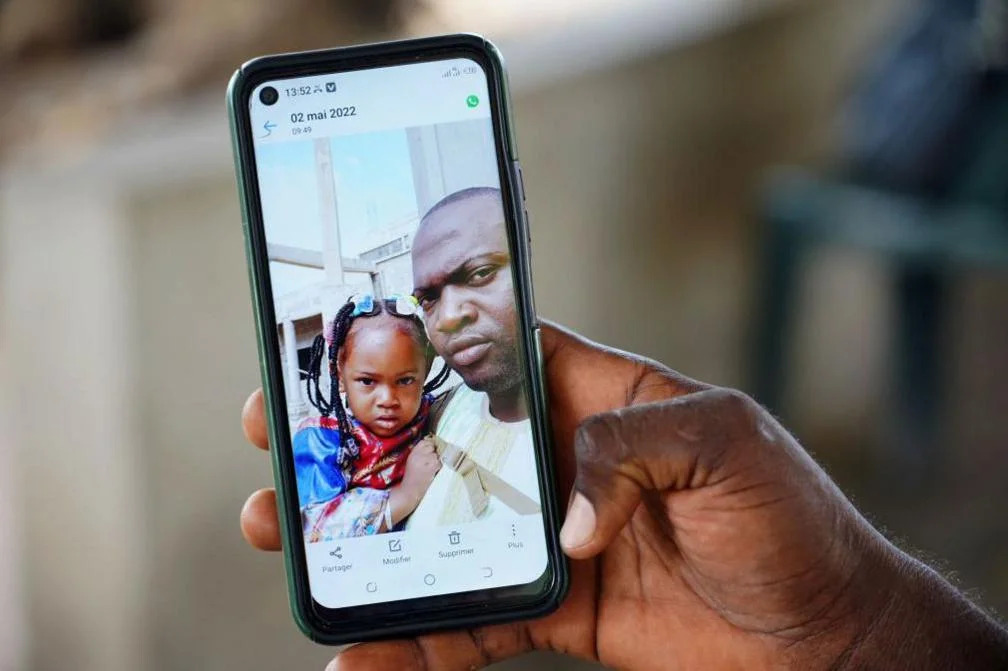
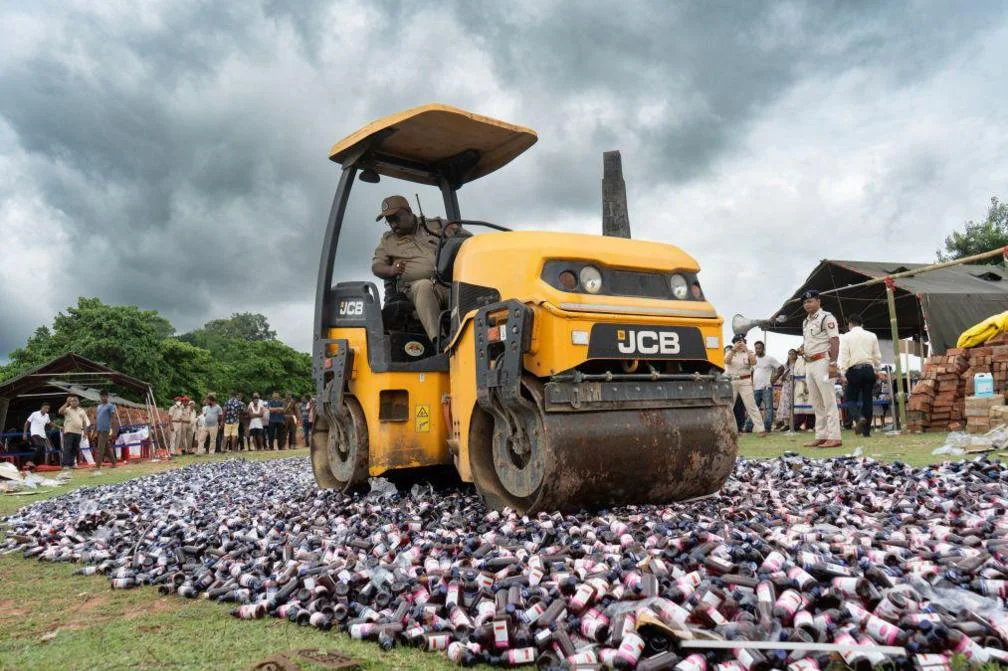
Chemical Contaminants: Samples of "Coldrif Syrup" and other products were found to contain diethylene glycol (DEG) and ethylene glycol (EG). These are industrial chemicals used in antifreeze and are toxic to humans.
Toxicity Levels: Reports indicate some samples contained up to 500 times the allowed limit of these toxins.
Medical Outcomes: Most victims suffered from acute kidney failure after taking the syrup.
Regulatory Findings: The CDSCO (Central Drugs Standard Control Organisation) has previously flagged specific batches of syrup as "not of standard quality." In April 2024, the government banned certain cough syrup formulas for children under four years old.
| Factor | Detail |
|---|---|
| Alleged Death Toll | 18+ in Uzbekistan; 12-20+ in India (various regions) |
| Primary Toxins | Diethylene glycol (DEG) and Ethylene glycol (EG) |
| Legal Basis | Drugs and Cosmetics Act, 1940 |
| Core Complaint | Manufacture and sale of "not of standard quality" drugs |
Differing Perspectives on the Case
The Company’s Defense
Lawyers for the pharmaceutical firm argued that there is no solid evidence on record to prove a direct link between the syrup and the deaths. They suggested that other factors could be responsible and requested that the summons be quashed (canceled) because the evidence is not yet definitive.
The Judicial Perspective
The Supreme Court focused on the ethics of the industry. Chief Justice Surya Kant asked if the firm realized the "dent" it had caused to the country's image. The bench suggested that the pursuit of profit ("only for the sake of money") had led to a loss of innocent lives in another country.
The Regulatory Challenge
Is it possible that current testing methods are not catching contaminants before products leave the factory? Evidence from investigations shows that toxic chemicals are still reaching consumers, leading to questions about whether manufacturing oversight is strong enough to prevent the use of industrial-grade chemicals instead of medical-grade ingredients.
Read More: US Judge Stops New Policy to Detain Refugees Without Green Cards in Minnesota
Expert Analysis
Experts in public health and law have weighed in on the impact of these events.
"More is needed to bolster India's regulatory standards to ensure such incidents do not happen again," says Ahmed, a health official tracking the quality of local medicines.
Manufacturing Costs: Analysts note that India's low manufacturing costs have made it a global leader in exports. However, some argue that these low costs may sometimes come at the expense of rigorous safety checks.
National Reputation: The BBC and The Telegraph have reported that these "contamination scandals" are damaging India's status as a "pharmaceutical powerhouse." The Supreme Court’s comments echo this concern, suggesting that the industry's global trust is at risk.
Conclusion
The Supreme Court’s refusal to stop the legal proceedings means the pharmaceutical firm and its officials must face trial in Noida. The court’s focus remains on the "standard quality" of the drugs and the ethical responsibility of manufacturers.
Next Steps:
The firm must respond to the summons issued by the Chief Judicial Magistrate.
Health authorities are expected to continue monitoring manufacturing sites, such as the Sresan Pharmaceutical factory, for compliance with safety laws.
The legal system will determine if the circumstantial evidence of contamination is enough to prove criminal liability for the deaths of the children.