Recent scientific findings indicate that the Moon is actively shrinking, a process creating new cracks and ridges on its surface. These geological changes, driven by the cooling of the Moon's interior, are a growing area of study. While the Moon is far from being tectonically active like Earth, the emergence of these features, particularly near potential landing sites for future space missions, presents a new set of considerations for space agencies. The extent and potential impact of these phenomena are the subject of ongoing investigation.
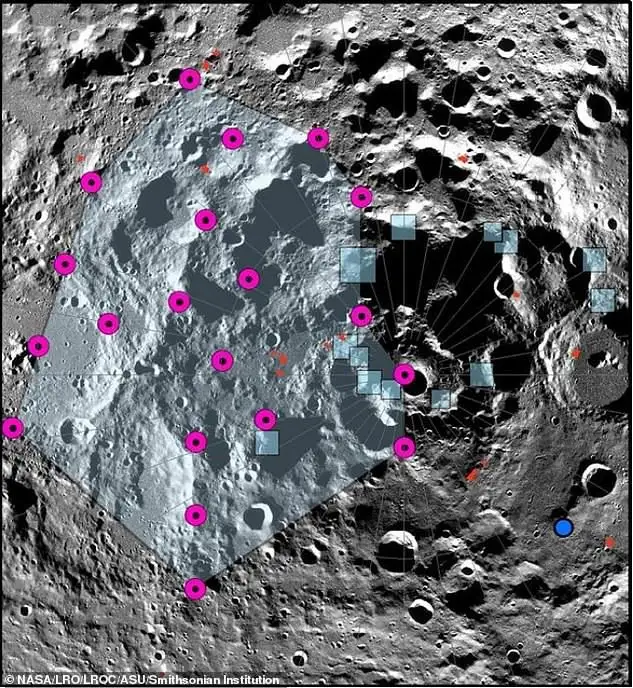
Moon's Cooling Core Drives Surface Contraction
The Moon's physical state is changing as its internal metallic core continues to cool. This cooling leads to a contraction of the lunar body, similar to how a drying apple wrinkles.
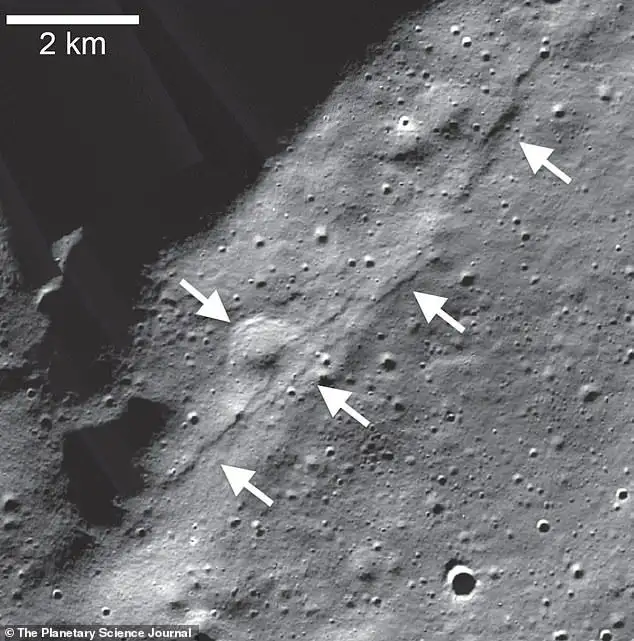
This contraction causes the Moon's crust to buckle and break, forming noticeable surface features.
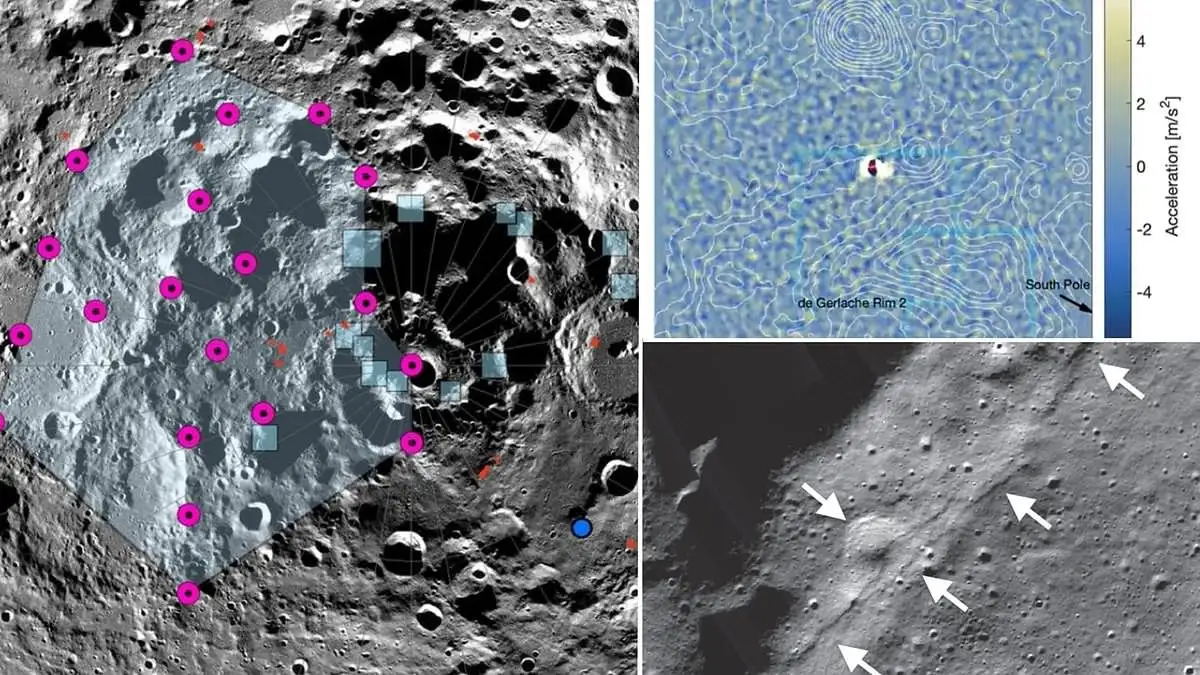
Scientists have identified more than 1,000 new cracks and lunar tectonic ridges as evidence of this ongoing shrinkage.
These features are not static; they are linked to thrust faults, indicating a dynamic geological process.
The cooling and contracting process is believed to be responsible for moonquakes, as the lunar surface adjusts to the reduced internal volume.
New Lunar Surface Features and Potential Hazards
The newly identified cracks and ridges are not just geological curiosities; they are located in areas of scientific interest and are being closely examined for their potential impact on future lunar activities.
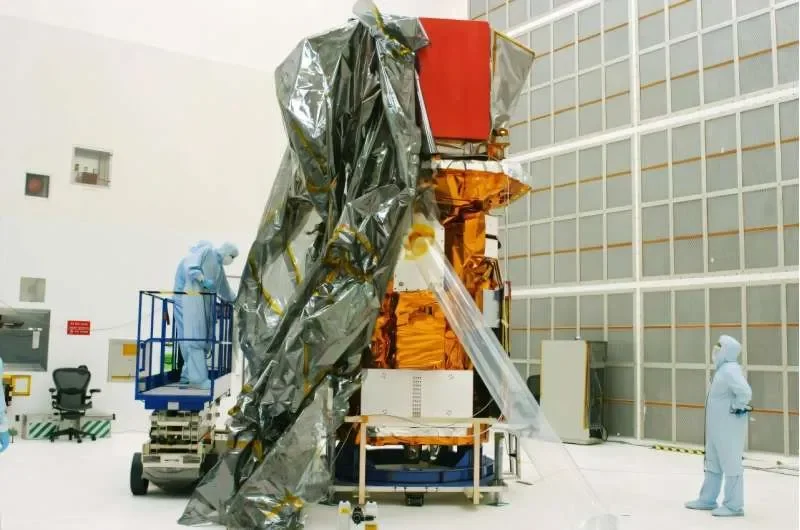
Read More: NASA Robot Mission Launched to Raise Swift Telescope Orbit, Add 10 Years
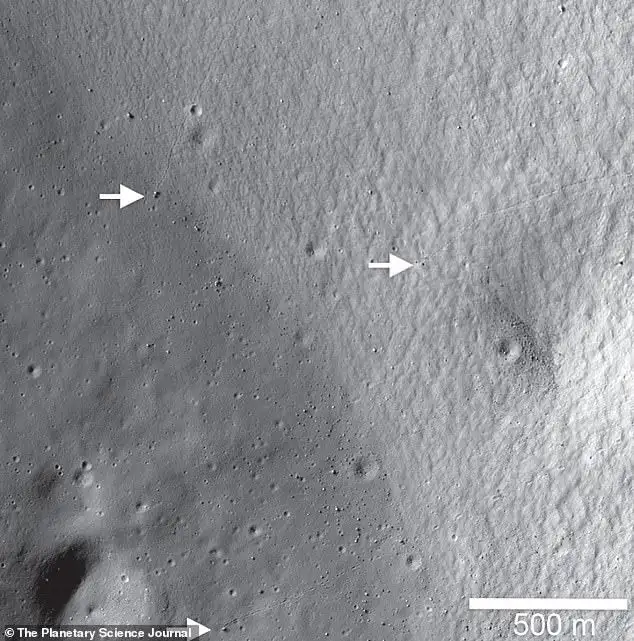
Lobate scarps and lunar tectonic ridges are the primary surface manifestations of this contraction.
These features are concentrated in various regions, including the lunar maria, suggesting that contraction is a global phenomenon.
The identification of these features, particularly young ridges on the far side of the Moon, supports the conclusion that the Moon is shrinking and possibly still experiencing seismic activity.
Implications for NASA's Artemis Program
The potential for moonquakes, triggered by the shifting lunar crust, raises questions for NASA's ambitious plans, especially the Artemis III mission, which aims to land humans near the Moon's south pole.
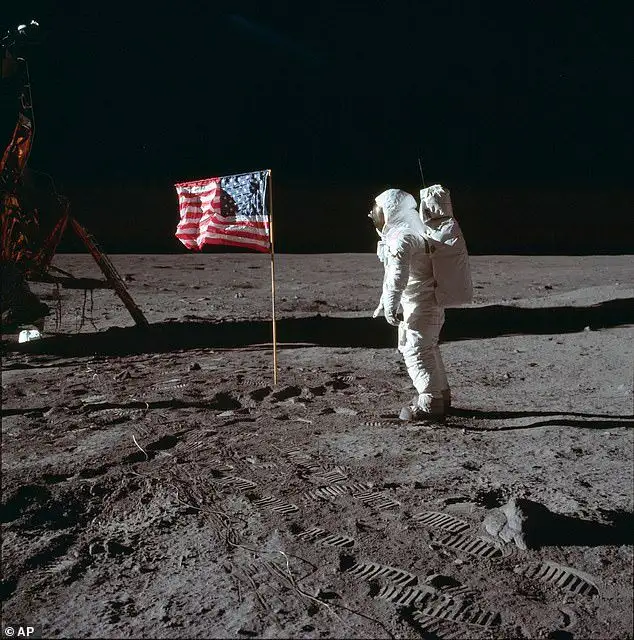
Some proposed landing zones for the Artemis III mission are situated in regions exhibiting these contraction-related features.
Scientists warn that tremors from these fault lines could trigger landslides, posing a risk to astronauts and equipment if they occur during or after a landing.
While the risk to astronauts is described as low, the potential for shaking could affect long-term lunar settlements.
The question of whether these shallow tectonic moonquakes could impact lunar satellites in orbit is also a point of discussion.
Contrasting Lunar and Earth Tectonics
Understanding the Moon's geological activity requires acknowledging its fundamental differences from Earth's processes.
Both celestial bodies experience tectonic forces, but the Moon's are distinct.
A key difference is that the Moon does not have plate tectonics, the system of large, moving plates that defines much of Earth's geological activity.
The lunar contraction is driven by internal cooling, a process distinct from the mantle convection that drives plate tectonics on Earth.
Scientific Perspectives and Ongoing Debate
While the evidence for a shrinking Moon and its associated surface features is mounting, some aspects are still subject to scientific interpretation and debate.
Uniformity of Contraction: Evidence of ridges on the far side suggests that the forces causing contraction are distributed across the entire Moon, not confined to specific regions.
Cause of Moonquakes: While thrust faults and tectonic ridges are linked to contraction, not everyone agrees that these surface features are the sole or primary cause of moonquakes.
Severity of Moonquakes: Although the Moon's mass remains constant, leading to similar lunar tidal effects on Earth's oceans, seismic events on the Moon are perceived differently. A magnitude 5 quake on the Moon, due to the lack of atmospheric cushioning and different material properties, could feel much stronger and have more devastating consequences than an equivalent quake on Earth.
Conclusion and Future Considerations
The Moon is demonstrably a geologically active body, undergoing a slow contraction that creates new surface features and the potential for seismic activity. The discovery of over 1,000 new cracks and the mapping of lunar tectonic ridges underscore this reality.
The cooling of the Moon's core is the accepted driver of this contraction.
These geological changes present a new layer of considerations for the planning and execution of lunar missions, particularly in areas identified as potential landing sites.
Future studies will likely focus on more precisely mapping these features, assessing their seismic potential, and understanding their distribution across the lunar surface.
The potential for moonquakes to cause landslides near proposed landing zones necessitates careful site selection and hazard assessment for human exploration and future lunar bases.
Sources:
ScienceDaily: A New Global Perspective on Recent Tectonism in the Lunar Maria.🔗 https://www.sciencedaily.com/releases/2026/02/260218031532.htm
Daily Mail: The moon is SHRINKING - and it could be disastrous for NASA.🔗 https://www.dailymail.co.uk/sciencetech/article-13027135/Moon-SHRINKING-disastrous-NASA.html
ScienceTimes: Shrinking Moon, Growing Risks: Newly Mapped Ridges Could Trigger Moonquakes Near Future Landing Sites.🔗 https://www.sciencetimes.com/articles/61352/20260219/shrinking-moon-growing-risks-newly-mapped-ridges-could-trigger-moonquakes-near-future-landing.htm
NASA Space News: Moonquakes, Cracks, and Ridges—The Moon is Anything But Lifeless.🔗 https://nasaspacenews.com/2025/01/moonquakes-cracks-and-ridges-the-moon-is-anything-but-lifeless/
Smithsonian Magazine: The Moon Is Shrinking, Causing Moonquakes at a Potential NASA Landing Site, Study Finds.🔗 https://www.smithsonianmag.com/smart-news/the-moon-is-shrinking-causing-moonquakes-at-a-potential-nasa-landing-site-study-finds-180983737/