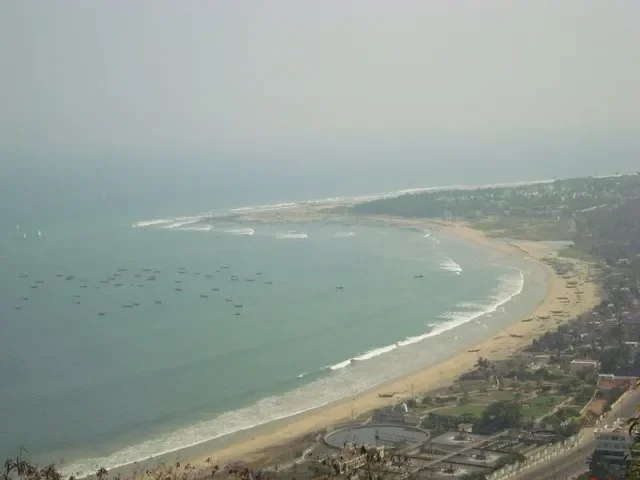
Chikkamagaluru, Karnataka - A government proposal to construct a ropeway connecting Mullayanagiri and Seethalayyanagiri in the Western Ghats has drawn sharp condemnation from environmentalists. The project, outlined in Chief Minister Siddaramaiah's budget on March 6, aims to bolster tourism in the region.
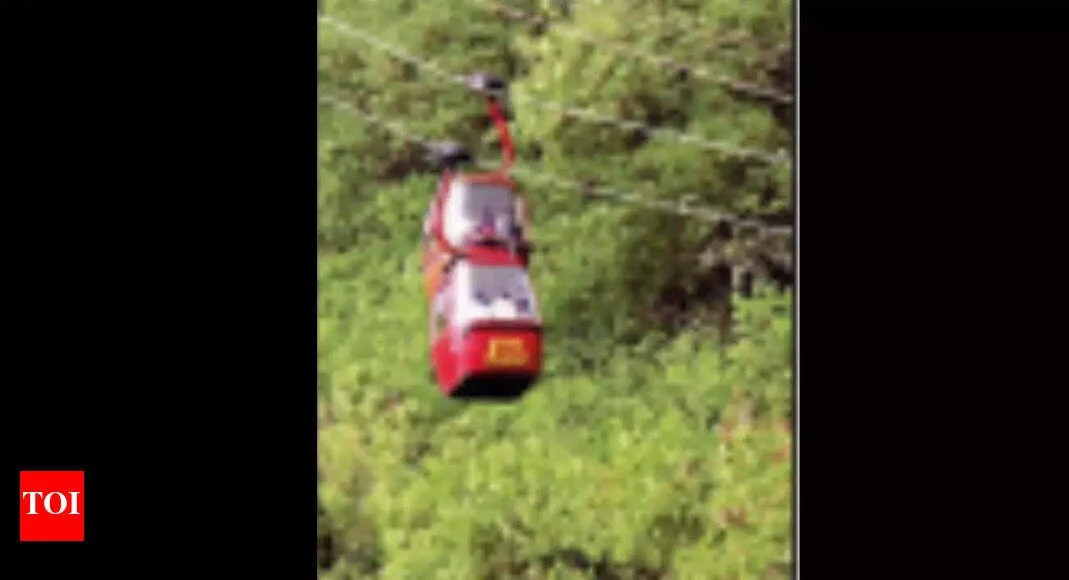
The crux of the criticism lies in the perceived lack of benefit to local populations and the potential ecological damage to a fragile ecosystem and its wildlife. This sentiment echoes previous environmental opposition to similar infrastructure projects in ecologically sensitive areas.
Concerns Over Ecological Impact and Local Benefit
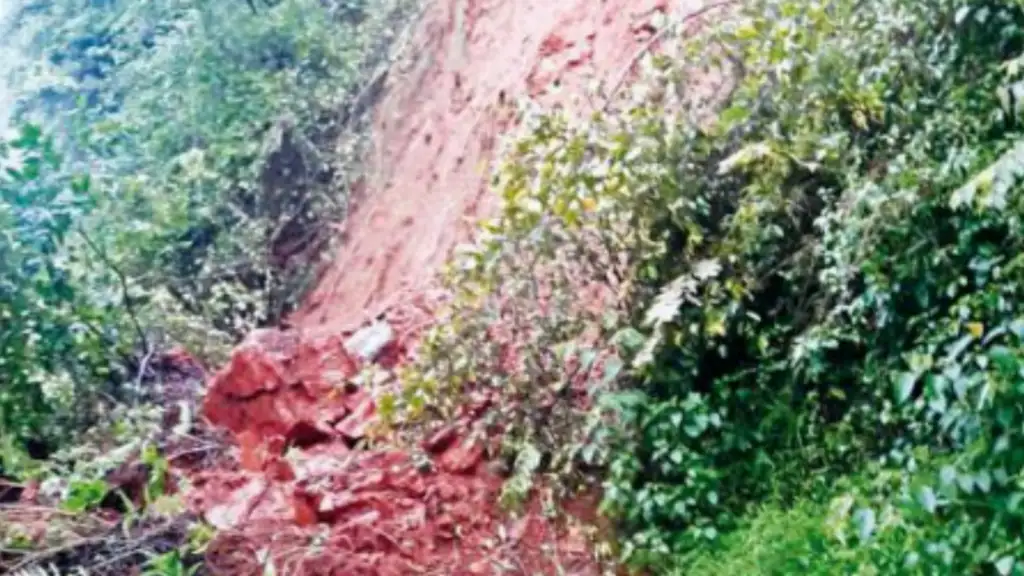
Environmental advocates voice significant concerns regarding the impact of a ropeway on the delicate ecosystem of the Chandradrona range. The areas proposed for development are described as fragile and ecologically sensitive, with documented instances of landslides in similar terrains within the Western Ghats. Activists argue that increased human intervention in such zones poses a direct threat to biodiversity.
Read More: Amazon Land Use Changes Cause Disease Clusters in Brazil

Furthermore, a recurring point of contention is the project's supposed benefit to local communities. Reports suggest that the proposed ropeway offers little to no advantage for the people residing in the vicinity. This raises questions about the true beneficiaries of such development initiatives.
Historical Precedent and Pattern of Opposition
This is not the first instance of such a proposal facing environmentalist pushback. In the past, similar ropeway projects mooted for locations like Chamundi Hills, Mullayanagiri, Yana, and Jog Falls have encountered stiff resistance from green activists. In at least one documented case, resistance led to the shelving of a similar project at Chamundi Hills.
Critics have also pointed to a lack of proper consultation with experts before such projects are announced, a point that has been raised previously regarding infrastructure plans in environmentally sensitive zones. The current proposal is slated to be developed under a public-private partnership model.
Read More: Alcatraz Tours Increase Due to Infamous Past