Kangayam's rice and oil producers are adopting a 'wait-and-watch' stance following a recent surge in petrol and diesel prices. This escalation, attributed to the conflict in West Asia and its disruption of global crude oil supply routes, presents a complex web of rising costs that threaten to tighten margins for farmers and impact consumers. While edible oil prices have not yet seen a direct revision, the ripple effects of increased expenses for packaging materials and transportation are keenly felt.
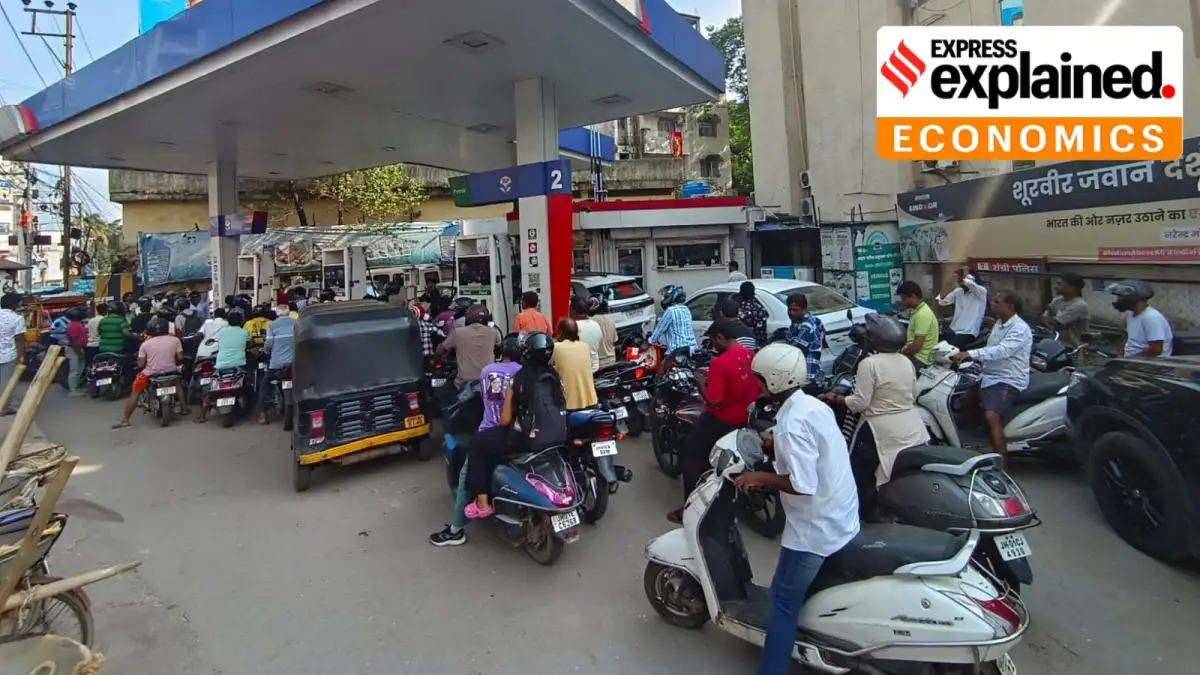
The recent increase in fuel prices, a hike of Rs 3 per litre for both petrol and diesel, marks the first such adjustment in over four years, having been previously frozen and even reduced ahead of the 2024 general election. This shift is already prompting producers to explore strategies like negotiating bulk fuel purchases and sharing machinery to mitigate individual consumption costs. Market analysts caution that sustained high fuel prices could translate to higher costs for basic commodities like rice and cooking oil, potentially affecting consumer demand.
Read More: Huawei focuses on watches and phones due to chip limits
Escalating Costs Across the Board
The ramifications of the fuel price hike extend beyond the immediate farm gate. Oil mills in Kangayam are reporting increased costs for packing materials and transport. The ongoing conflict in West Asia is cited as a contributing factor to shortages in packaging supplies and a general rise in raw material expenses. This broader inflationary pressure has already led some eateries and hotels in neighbouring districts to adjust their operations, trimming menus and increasing prices.

While the immediate cost of farm-grown raw materials for edible oil has not yet climbed, the added burden of logistics and packaging suggests a potential for future price adjustments. This precarious balance is mirrored in the wholesale markets, where prices for common vegetables like onions and potatoes remain relatively stable, though more specialized produce, like beans sourced from Karnataka, are already commanding significantly higher prices.
Read More: Kerala Congress Factions Hope for New Party Chief Post
Export Concerns and Domestic Dissent
Indian rice exporters are also expressing apprehension about potential cost surges. They are bracing for increased input costs, exacerbated by existing truck shortages and rising logistical expenses. The subdued international demand for rice, which has seen prices fall to multi-year lows in May, further complicates the outlook. Exporters are reportedly seeking government support in the form of logistics subsidies to offset these mounting pressures.
Domestically, the fuel price hike has ignited public discontent. Citizens and political figures have voiced concerns over rising inflation and the financial strain on middle and lower-income groups. The argument has been made that fuel companies do not proportionally reduce prices when international crude oil rates fall, leading to perceptions of excessive profit-taking.
Background and Context
The current fuel price adjustments are linked to global market dynamics, specifically the West Asia war and the resultant disruptions at the Strait of Hormuz, a critical oil shipping route. This situation has led to a surge in international crude oil prices. Oil companies, prior to the recent hike, were reportedly facing losses on petrol and diesel sales, citing high import costs. The government, while acknowledging these pressures, faces a dual challenge of managing the economic impact of rising global energy prices and addressing domestic concerns about inflation and affordability.
Read More: Indy Platform Helps Freelancers With Accounting and Invoicing