MYSTERY BOOMS TRACED TO METEORIC EXPLOSION
A cosmic fragment, estimated to be house-sized, detonated over northeastern Massachusetts and southeastern New Hampshire last Saturday, releasing energy akin to 300 tons of TNT and producing audible shockwaves across the region. This celestial event, occurring shortly after 2 PM local time, was officially confirmed by NASA as a natural meteor explosion.
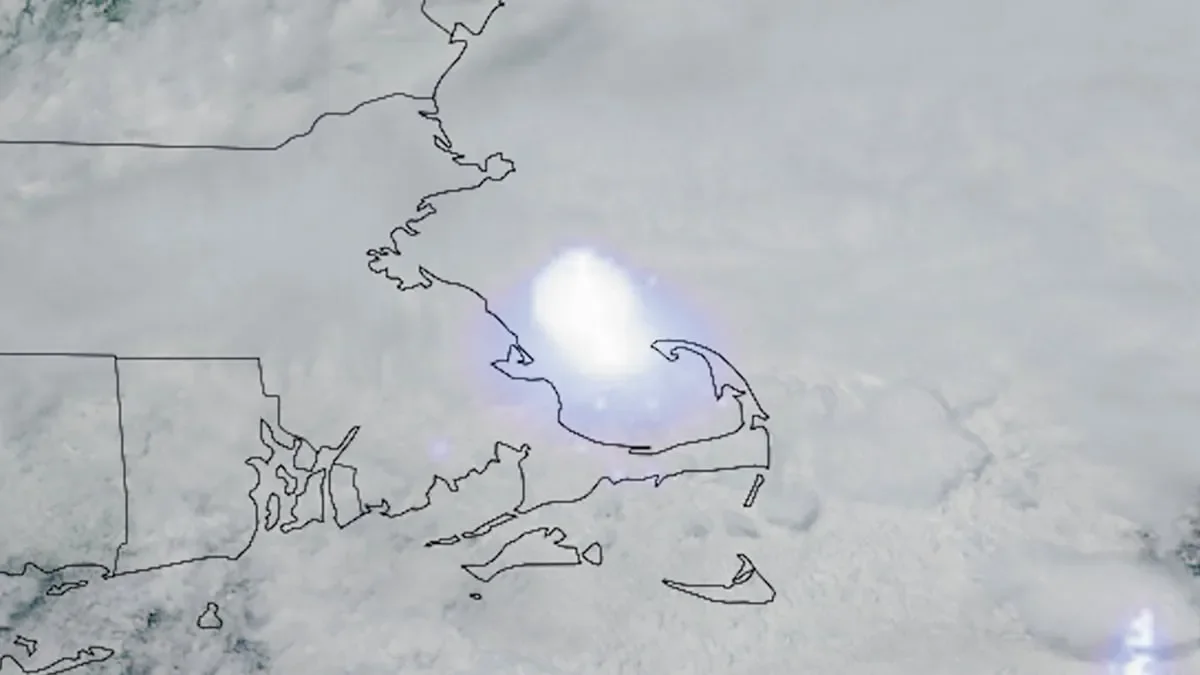
The airborne fragmentation, travelling at an estimated 75,000 miles per hour, disintegrated at an altitude of roughly 40 miles. The resultant pressure wave caused loud booms that reverberated widely, prompting initial confusion and speculation among residents, with some reports reaching from Eastern Massachusetts and Rhode Island to Central Massachusetts. Initial theories had ranged from seismic activity to industrial incidents.
"This fireball was not associated with any currently active meteor shower, but it was a natural object and not a re-entry of space debris or a satellite," stated Jennifer Dooren, NASA's deputy news chief. "The energy released at breakup is estimated to be equivalent to about 300 tons of TNT, which accounts for the loud booms."
While the object’s explosive breakup in the upper atmosphere explains the widespread sound, the likelihood of any significant debris reaching the ground appears low. Robert Lunsford, programme monitor for the American Meteor Society, noted the phenomenon's scale seemed larger than typical fireballs.
Read More: Indigenous Data Rights Now Key in Conservation Genomics

A NATURAL PHENOMENON
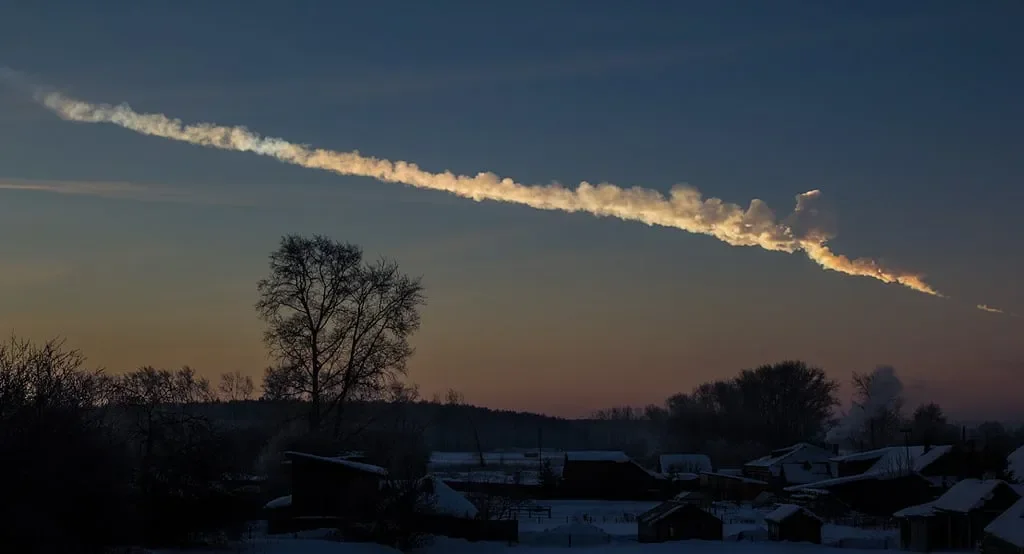
The event was logged by the American Meteor Society as a fireball – a bright meteor streaking through the atmosphere. Such an occurrence does not require ground impact to generate audible disturbances; the atmospheric pressure wave created by the meteor's rapid passage is sufficient to produce a sonic boom, leading to the sensation of ground-shaking for observers below.
NASA's confirmation has dispelled concerns regarding space debris or satellite re-entry, classifying the incident purely as a natural astronomical event. The meteor was not linked to any known meteor showers.
Further analysis and witness accounts, including video footage, were sought by local news outlets to document the scale and impact of the event.