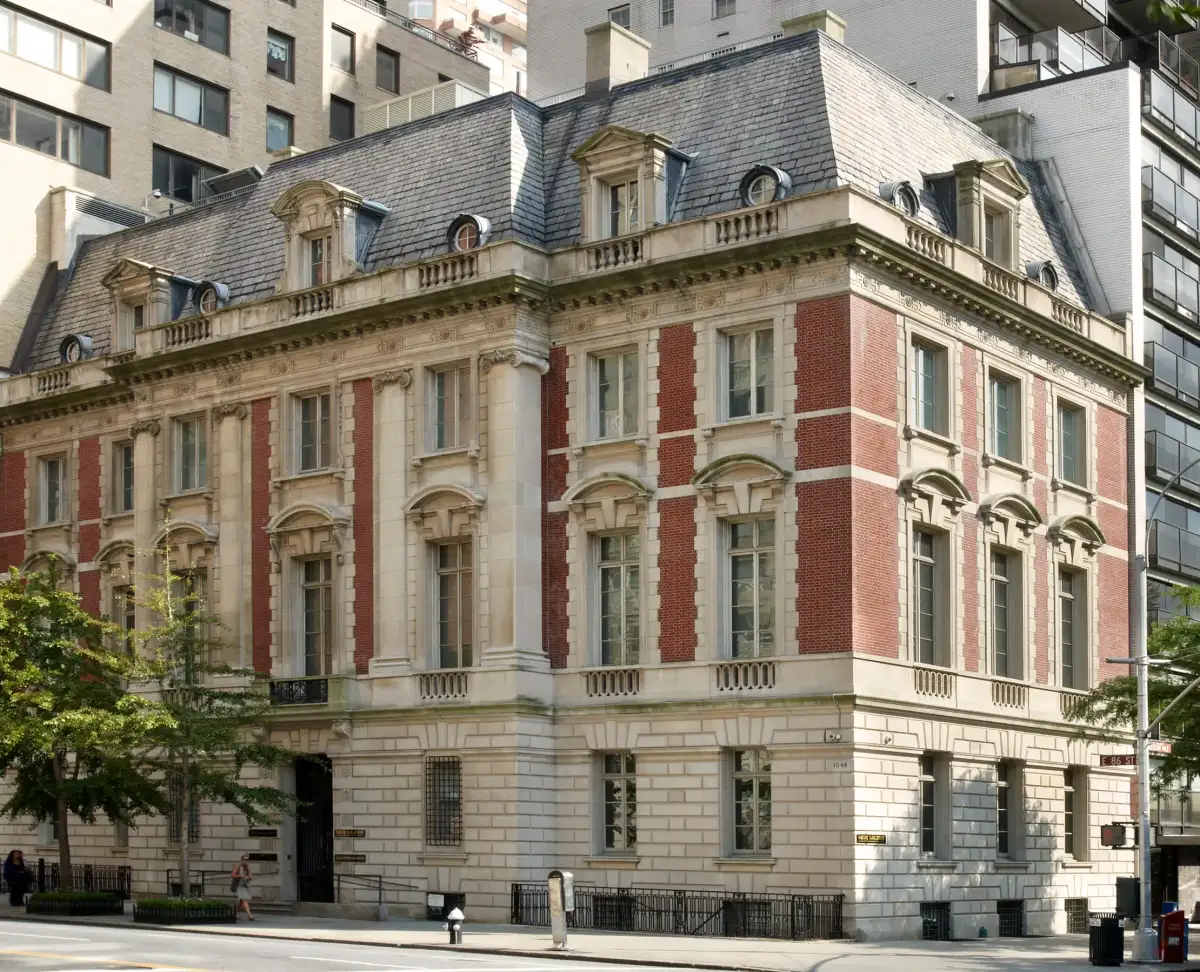
New York, NY – May 16, 2026 – The Metropolitan Museum of Art, or the Met, has formally agreed to absorb the nearby Neue Galerie. This union, slated for completion in 2028, effectively folds the entirety of the Neue Galerie’s operations, collection, and endowment into the larger Met institution. The building housing the Neue Galerie, a Beaux-Arts mansion on Fifth Avenue, will be renamed the Met Ronald S. Lauder Neue Galerie.

The acquisition provides the Met with a significant expansion of its holdings in Austrian and German modernism, an area acknowledged by Met director Max Hollein as a relative weakness in the museum's existing collection. The Neue Galerie, celebrated for its collection of 19th and 20th-century German and Austrian art, including prominent works by Klimt, will continue to operate within the Met's framework, similar to the Met's existing Cloisters annex. This move is framed as enhancing the Met's depth and international reach.
Read More: Banana Art Stolen From French Museum, Replaced Quickly
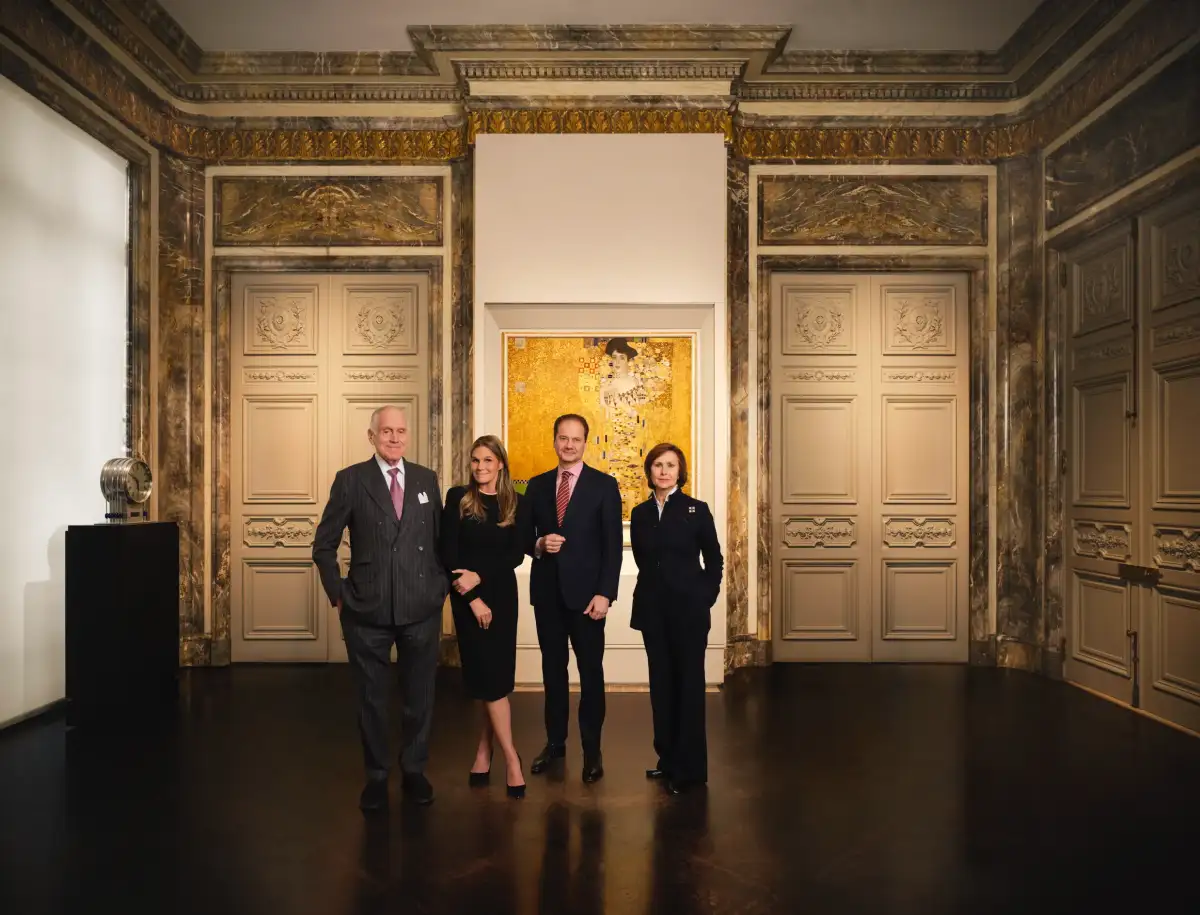
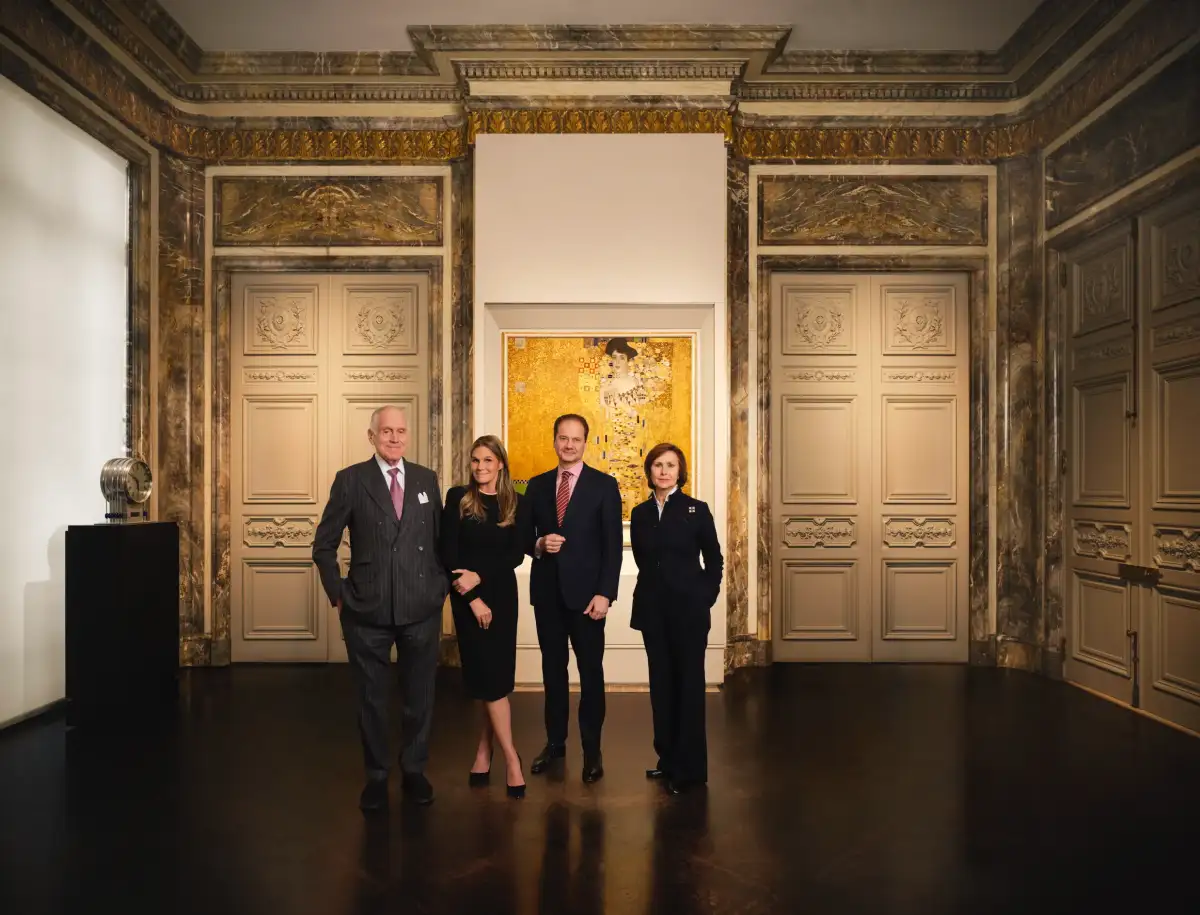
Ronald Lauder and his daughter, Aerin Lauder Zinterhofer, have been central figures in this transition. Their family's history with the Met spans decades, and their financial contributions, including gifts from the family's endowment, are integral to the merger's financial structure. The agreement intends to preserve the Neue Galerie's identity and programming, including its café, Café Sabarsky. This deal positions the Met as a significantly more dominant force on Museum Mile, a stretch already known for its high concentration of cultural institutions.
Historical Context and Institutional Dynamics
The merger signifies a major restructuring of New York’s museum landscape. The Neue Galerie, founded in 2001, has carved out a distinct niche, focusing on a specific period and region of art history. Its integration into the Met, one of the world's largest art museums, represents a consolidation of cultural assets.
Read More: Taylor Swift and Travis Kelce married at Madison Square Garden July 6
"This is an area where the Met’s collection is not very strong." - Max Hollein, Director of the Met
The financial implications are substantial, involving an endowment transfer and additional gifts from the Lauder family. The deal follows a pattern of institutional expansion for the Met, which has previously operated annexes like the Met Breuer. The proximity of the two institutions, a mere five-minute walk apart, facilitated this consolidation. The merger is also occurring against a backdrop of public scrutiny for Ronald Lauder, whose involvement in the Jeffrey Epstein case and advocacy for Israel have drawn protests at other cultural institutions where he holds influence.

:max_bytes(150000):strip_icc():focal(799x0:801x2)/nyc-sky-taylor-swift-travis-kelce-wedding-070326-2dc0d912004b400eac2c8c8b5adeff2a.jpg)

:max_bytes(150000):strip_icc()/GettyImages-186597754-5299e3e5f6b34731bde30b83ba436316.jpg)