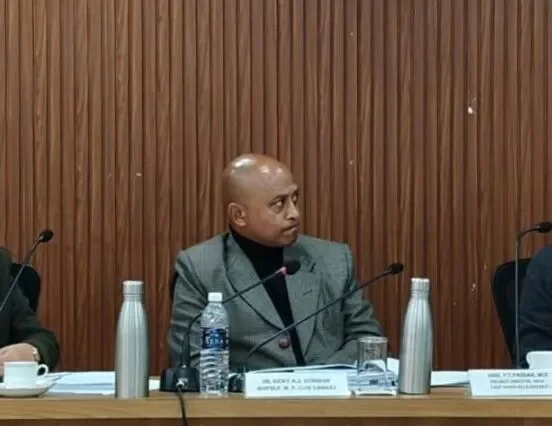
Shillong MP Ricky A J Syngkon has formally requested an immediate freeze on the environmental clearance process for a proposed integrated cement plant in Meghalaya's East Jaintia Hills district. His appeal, directed at the Union Ministry of Environment, Forest and Climate Change, highlights significant procedural and environmental concerns, urging an independent review of public hearings, cumulative impact assessments, and land safeguard compliance. This action arrives amid existing opposition from local groups and heightened awareness of regional environmental pressures.
Background to the Concerns
The proposed integrated cement plant is situated in East Jaintia Hills, a district already home to numerous cement and extractive industries. MP Syngkon's request stems from a confluence of factors:
Concerns about the cumulative impact of industrial activity on the region's environment.
Allegations of procedural irregularities in the public consultation process.
Questions regarding the compliance with statutory land and tribal safeguards.
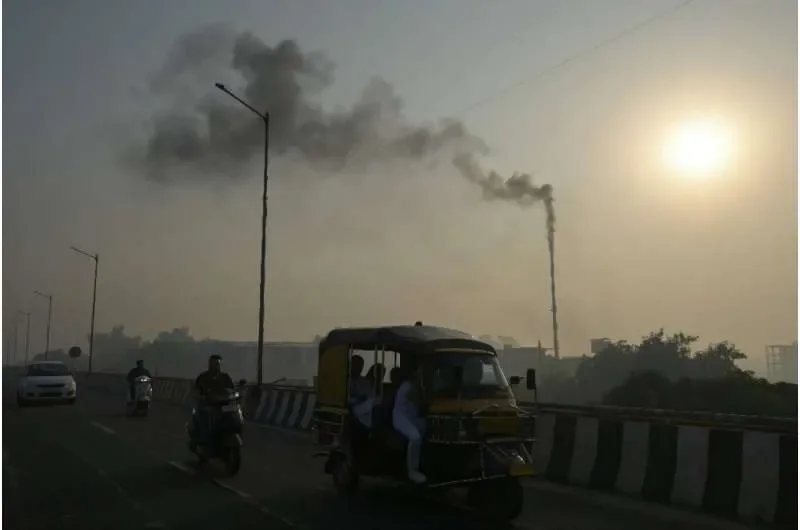
Potential risks to air quality, groundwater, river systems, agricultural land, and forest cover.
Appeals from local organizations citing similar issues with past approvals.
The MP’s intervention suggests a widening gap between industrial development plans and local environmental and governance expectations.
Evidence of Procedural and Environmental Questions
MP Syngkon's demand for a freeze is supported by specific points raised in his communication with the Ministry:
Read More: 2025 planet heat gain higher than before, WMO says
Isolated Project Assessment: Evaluating new projects without considering the existing industrial load is seen as detrimental to environmental safeguards.
Public Hearing Integrity: Allegations of deficiencies in the public consultation process are cited, prompting a call for an independent review.
Cumulative Impact Assessment: The MP emphasizes that granting clearance without a thorough assessment of combined regional impacts contradicts sustainable development principles.
Statutory Land Safeguards: Concerns have been raised about land transfers and the issuance of No Objection Certificates (NOCs), requiring careful legal scrutiny.
Tribal Land Rights: The proposal's potential impact on tribal land rights and constitutional adherence is a significant point of contention.
Local Opposition and Environmental Impact Concerns
Beyond the MP's direct appeal, local groups have voiced strong objections, adding weight to the call for a review.
Jaintia National Council (JNC): This group has previously sought the cancellation of public hearings, alleging the company lacked necessary approvals from local authorities. They highlighted the absence of NOCs from traditional village councils and headmen.
Khasi Students' Union (KSU): The KSU has opposed new cement plants in Meghalaya, citing potential significant environmental damage. They pointed out that the proposed mining site is near the Narpuh Wildlife Sanctuary and the Lukha River, which they claim has already been polluted by existing industries.
Villager Concerns: Reports indicate that villagers in East Jaintia Hills have expressed fears regarding environmental degradation and the impact on their livelihoods.
These existing concerns indicate a pattern of community apprehension regarding industrial expansion in the region.
Legal and Constitutional Ramifications
MP Syngkon invoked Article 21 of the Constitution, which relates to the right to life and personal liberty, to underscore the integral link between environmental protection, livelihood security, and fundamental rights.
He warned that proceeding without addressing the raised issues could lead to constitutional complications and public unrest.
The MP suggested that if allegations of procedural flaws are established, they could undermine the integrity and legality of the environmental clearance process.
An argument is made that administrative prudence necessitates a pause when serious procedural and ecological concerns are present, to maintain public confidence in environmental regulatory mechanisms.
Regional Context and Cumulative Stress
The East Jaintia Hills district is described as a region already bearing a significant industrial footprint from cement and extractive industries.

MP Syngkon's caution against evaluating projects in isolation is crucial, as it suggests a need for a holistic view of regional environmental carrying capacity.
The potential for existing environmental issues, such as river pollution attributed to current plants, to be exacerbated by new developments is a significant factor.
Concerns about deforestation linked to mining activities for new plants further compound the environmental pressure on the area.
Call for Independent Review and Future Steps
The immediate request is for a suspension of the environmental clearance process. This is to be followed by:
An independent review of the public hearing procedures.
A comprehensive cumulative environmental impact assessment for the region.
Verification of compliance with statutory land safeguards and tribal rights.
The MP's action frames the situation as requiring a probing pause rather than an outright rejection, contingent on the findings of an impartial investigation.
Expert Analysis and Perspectives
While direct expert quotes were not extracted from the provided summaries, the MP's arguments align with established environmental governance principles:
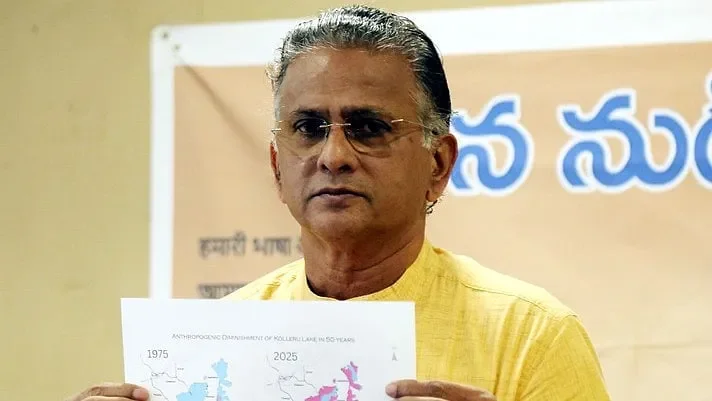
Read More: Kolleru Lake shrinks by over 50% due to aquaculture and encroachments
The precautionary principle suggests that when an activity raises threats of harm to the environment or human health, precautionary measures should be taken even if some cause-and-effect relationships are not fully established scientifically.
The concept of sustainable development emphasizes balancing economic progress with environmental protection and social equity, which MP Syngkon's call for cumulative impact assessment and livelihood security aligns with.
The need for procedural fairness in public consultations is a cornerstone of democratic environmental decision-making.
Conclusion and Implications
The request by MP Ricky A J Syngkon for a freeze on the environmental clearance for the proposed cement plant in East Jaintia Hills signifies a critical juncture in the region's industrial development. The multifaceted concerns—ranging from procedural fairness and adherence to land rights to the broader ecological health of a district already under industrial stress—necessitate a thorough, independent investigation.
The core issues at stake include:
Environmental Integrity: Protecting air quality, water resources, and biodiversity in a sensitive ecosystem.
Procedural Justice: Ensuring that public consultations and clearances are conducted transparently and lawfully.
Community Rights: Upholding tribal land rights and the right to a healthy environment as enshrined in constitutional principles.
Sustainable Industrialization: Balancing economic development with long-term ecological and social well-being.
The Ministry's response to this demand for a halt and an independent review will set a precedent for how cumulative environmental impacts and procedural due diligence are handled for future industrial projects in Meghalaya and similar regions.
Sources Used:
The Hindu: https://www.thehindu.com/sci-tech/energy-and-environment/meghalaya-mp-seeks-freeze-on-environmental-clearance-process-for-new-cement-plant/article70634971.ece - Provided detailed account of MP's request and environmental concerns.
NE News: https://nenews.in/meghalaya/meghalaya-mp-seeks-suspension-of-environmental-clearance-for-proposed-cement-plant/41992/ - Confirmed the MP's formal request and highlighted specific areas for independent review.
Assam Tribune: https://assamtribune.com/north-east/shillong-mp-seeks-freeze-on-cement-plant-clearance-in-east-jaintia-hills-1607572 - Reinforced the MP's concerns about cumulative impacts and sustainable development principles.
Devdiscourse: https://www.devdiscourse.com/article/science-environment/3805757-meghalayas-environmental-clearance-controversy-mp-calls-for-scrutiny - Emphasized the call for scrutiny due to procedural irregularities and tribal land rights.
NE Now (Sep 21, 2024): https://nenow.in/north-east-news/meghalaya/meghalaya-jaintia-group-seeks-cancellation-of-public-hearing-for-cement-plant.html - Provided details on the Jaintia National Council's opposition and concerns about local approvals.
Northeast Today: https://www.northeasttoday.in/northeast/ksu-opposes-new-cement-plants-in-meghalaya-due-to-environmental-concerns/ - Detailed the Khasi Students' Union's opposition, citing proximity to wildlife sanctuaries and existing river pollution.