Officials Push for Comprehensive Action to Prevent Pollution
Concerns over the ecological health of Durgam Cheruvu in Hyderabad have intensified, prompting coordinated efforts from multiple government agencies. The lake, a significant water body, faces a persistent threat from sewage contamination. Recent actions by state authorities aim to implement stringent measures to protect it, driven by official directives and judicial oversight. The core challenge appears to be managing wastewater effectively and preventing its direct discharge into the lake, a situation exacerbated by inadequate infrastructure and inter-agency coordination.
Timeline of Events and Agency Involvement
The effort to protect Durgam Cheruvu from sewage contamination has seen a recent surge in activity, particularly in early 2024 and extending into 2026.
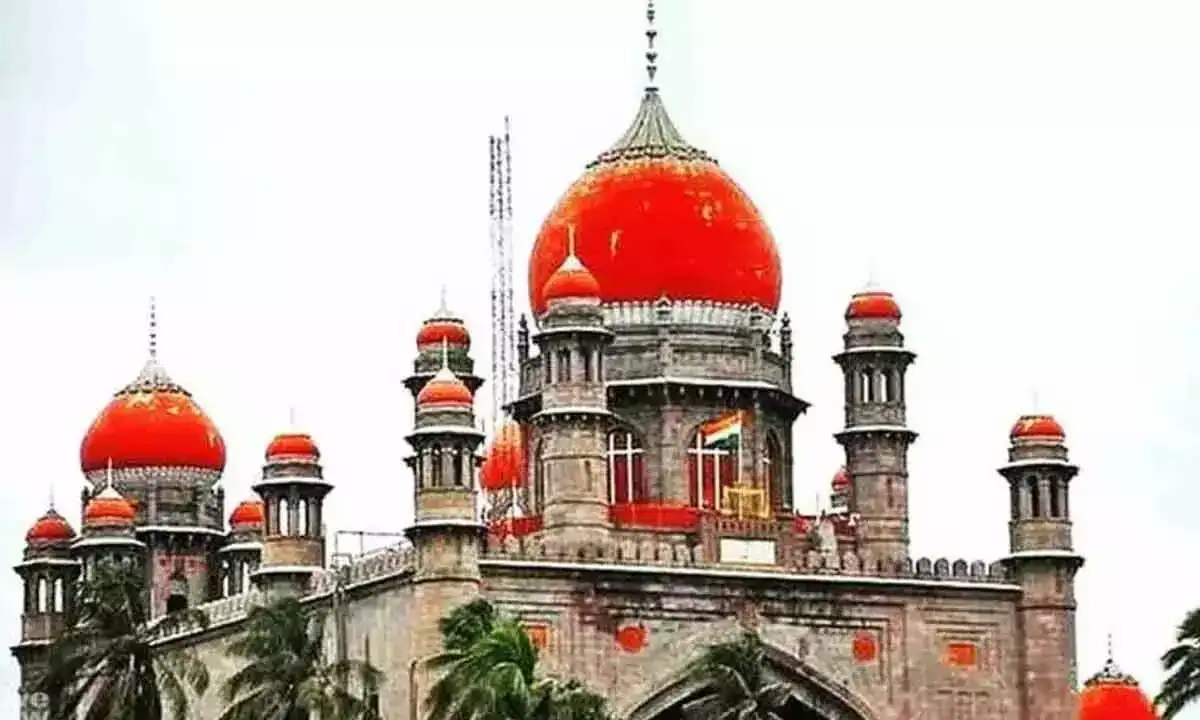
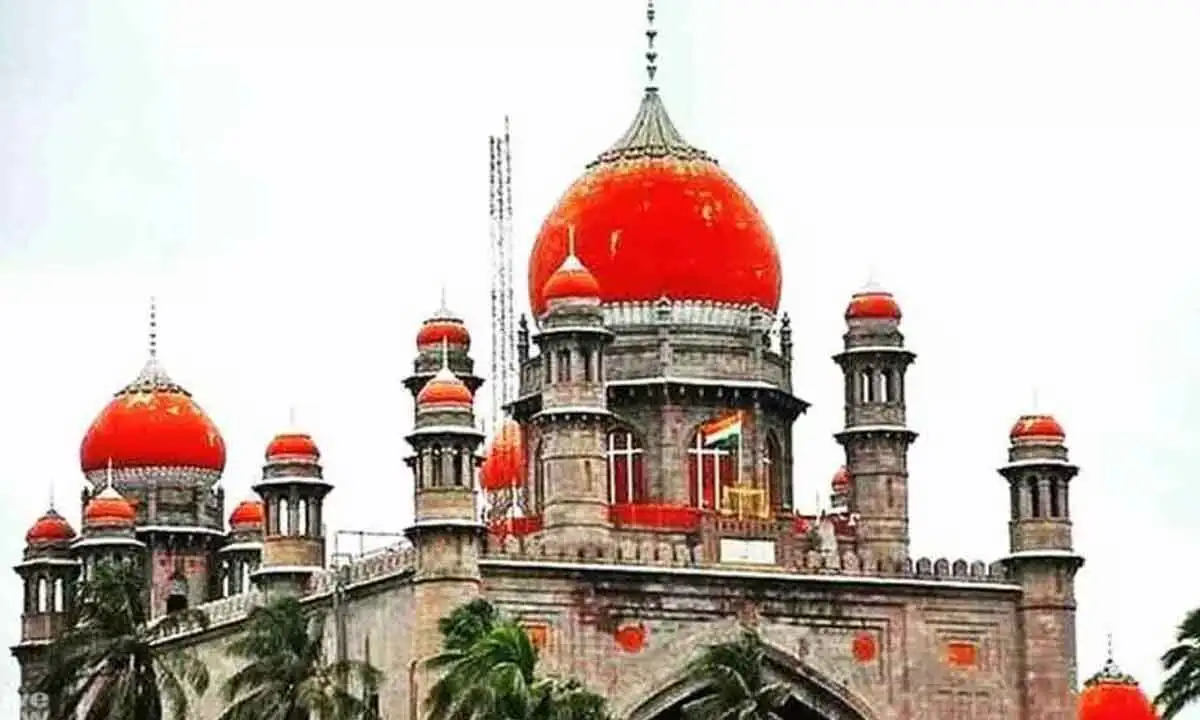
March 2, 2024: The Telangana High Court directed the government to implement expert-recommended measures to safeguard Durgam Cheruvu. This followed a suo motu Public Interest Litigation (PIL) initiated due to concerns about pollution and illegal constructions affecting the lake. The court specifically questioned the government on actions taken to remove illegal structures within the lake's Full Tank Level (FTL) and its buffer zone.
September 21, 2024: The High Court further probed the legal basis for fixing the Full Tank Level (FTL) of Durgam Cheruvu, demanding a clear justification from the state government. The court had previously instructed the government to provide a gazette notification listing the FTL for all lakes in Hyderabad.
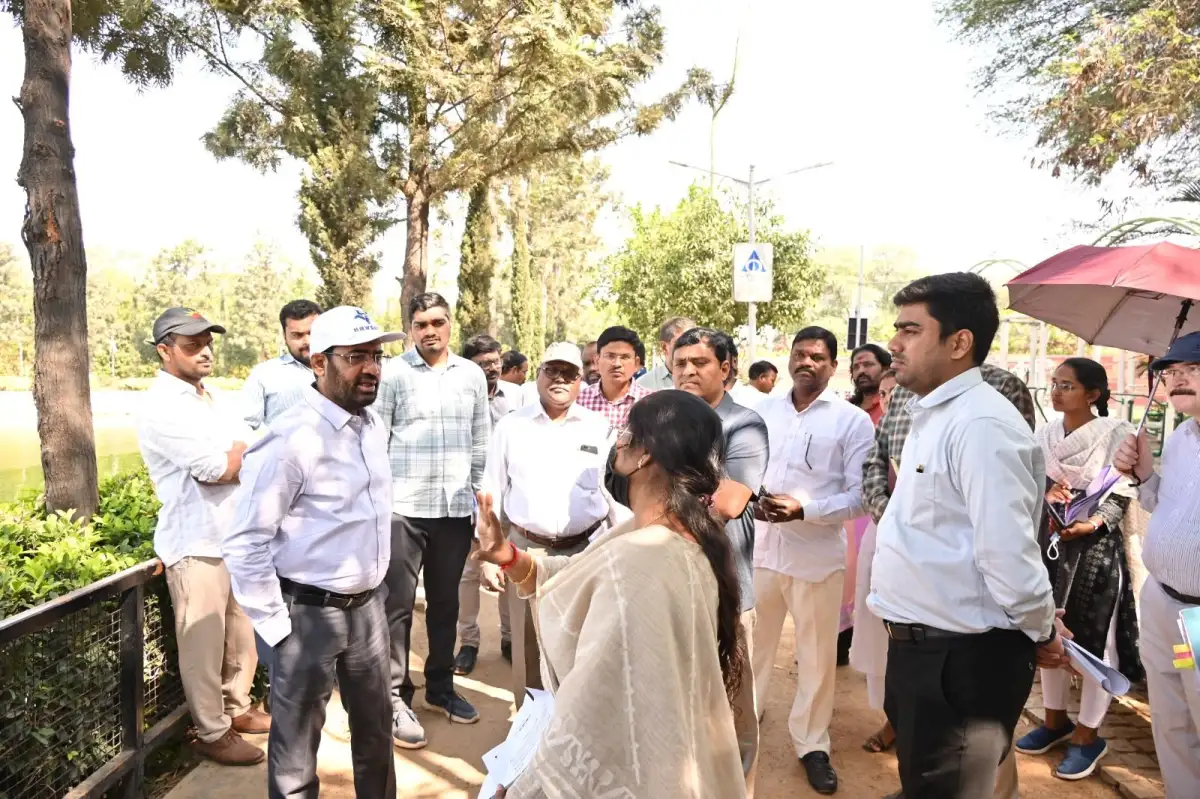
February 18, 2025: A joint inspection of Durgam Cheruvu was conducted by officials from various departments. The Hyderabad Water Board managing director, Ashok Reddy, stressed the need to purify the lake and protect it from sewage. Plans were discussed for a dedicated drain to prevent flooding during the rainy season and to mandate the use of 100 percent recycled water for construction and landscaping in the Raheja Mind Space area.
February 19, 2025: The Hyderabad Water Board announced plans to construct a special pipeline from the Durgam Cheruvu Sewage Treatment Plant (STP) to prevent sewage inflow and protect the lake from pollution. Officials were instructed to ensure treated water from the STP is used for landscaping and construction.
January 20, 2026: The HYDRAA (Hyderabad Metropolitan Water Supply and Sewerage Board) chief, Ranganath, inspected Durgam Cheruvu in response to complaints of sewage pollution and foul smells. He instructed irrigation, electricity, GHMC, and water board departments to immediately initiate measures to stop sewage inflow. The chief objected to wastewater being diverted into drains due to STP capacity issues, stating that surplus sewage must be routed through sewer lines. He also highlighted poor coordination and lack of accountability among agencies like GHMC, the Water Board, the irrigation department, Raheja Mindspace, and Ramky (which manages STPs) as reasons for the lake's degradation. Treated water samples from STPs were ordered for testing.
| Agencies Involved | Roles & Responsibilities || :————————- | :———————————— || Hyderabad Water Board | Managing water supply, sewage treatment, and pipeline construction || Greater Hyderabad Municipal Corporation (GHMC) | Municipal administration, park maintenance, waste management || Hyderabad Metropolitan Development Authority (HMDA) | Urban planning, landscaping, and park maintenance || Lakes Department | Oversight and management of lake bodies || Revenue Department | Land records and potentially land acquisition for infrastructure || Pollution Control Board | Environmental monitoring and water quality testing || Irrigation Department | Water management and drainage systems || Raheja Mindspace | Private entity operating in the vicinity, mandated to use recycled water || Ramky | Private entity managing STPs |
Read More: Amazon Land Use Changes Cause Disease Clusters in Brazil
Evidence of Contamination and Official Response
Sewage Inflow: Reports confirm that some sewage from the Madhapur area is flowing into Durgam Cheruvu. Officials have identified excess sewage inflow beyond STP capacity as a contributing factor.
FTL Encroachments: The High Court noted the presence of 78 structures within the lake's FTL and 146 structures in the buffer zone, described as illegal developments.
STP Operations: There are indications that STPs managed by private entities like Ramky are operating at or near capacity, leading to the diversion of untreated or partially treated wastewater. The collection and testing of treated water samples from these STPs were mandated.
Poor Coordination: The HYDRAA chief explicitly pointed to poor coordination and a lack of accountability among multiple agencies as root causes for the lake's ecological degradation and foul smell.
Government Directives:
Mandate for 100 percent recycled water for construction, gardening, and landscaping in specific areas like Raheja Mind Space.
Instruction to immediately initiate measures to stop sewage inflow into the lake.
Requirement to route surplus sewage through sewer lines rather than allowing it to enter water bodies directly.
Plan to construct a special pipeline from the Durgam Cheruvu STP to channel treated water.
Judicial Scrutiny: The High Court has taken a proactive role, directing government action and questioning the legality of established FTL boundaries, indicating a demand for greater transparency and adherence to environmental laws.
Challenges in Lake Protection
Managing Wastewater and STP Capacity
A significant impediment to protecting Durgam Cheruvu is the management of wastewater, particularly when the volume exceeds the capacity of existing Sewage Treatment Plants (STPs).
When faced with excess sewage, officials have cited the diversion of wastewater into drains as a consequence of STP limitations.
However, the directive from the HYDRAA chief is clear: surplus sewage must be routed through proper sewer lines, underscoring a need for infrastructure upgrades or more efficient operational management of existing STPs.
The subsequent mandate to use 100 percent recycled water for construction and landscaping suggests an attempt to reduce the load on freshwater resources and potentially re-utilize treated wastewater, but this hinges on the effectiveness and capacity of the STPs.
Inter-Agency Coordination and Accountability
The ecological decline of Durgam Cheruvu is directly linked to a failure in coordinated action and clear accountability among various government bodies and private entities.
The HYDRAA chief explicitly identified poor coordination and a lack of accountability among the GHMC, the Water Board, the irrigation department, Raheja Mindspace, and Ramky as primary reasons for the pollution and foul smell.
This suggests that despite individual efforts, a cohesive strategy involving all stakeholders has been lacking, leading to a fragmented approach to environmental management.
The High Court's intervention, seeking details on the removal of illegal structures and the basis for FTL, also points towards a need for greater oversight and enforcement of regulations.
Legal Framework and FTL Determination
The legal standing and definition of the lake's boundaries, specifically the Full Tank Level (FTL), have become a point of contention and investigation.
Read More: Hyderabad SHE Teams Arrest 127 for Harassment in June 2026
The High Court has questioned the legal basis for fixing the FTL, demanding clarification from the state government.
The issuance of a preliminary FTL notification for 160.6 acres, while a step, is still awaiting final notification.
The presence of numerous structures within and around the FTL indicates a potential disconnect between the defined boundaries and actual development, possibly due to issues with notification, enforcement, or the determination of the FTL itself.
Expert Analysis and Official Stance
"The purification of Durgam Cheruvu is essential for its long-term health and to safeguard it from sewage contamination."— Ashok Reddy, Managing Director, Hyderabad Water Board.
Officials acknowledge the severity of the contamination. The Hyderabad Water Board, through its Managing Director, has emphasized the necessity of purifying the lake. This stance is echoed by directives from the municipal administration principal secretary, Dana Kishore, who has overseen joint inspections and pushed for the implementation of stricter water usage policies.
The HYDRAA chief, Ranganath, has been particularly vocal about the systemic issues. His comments about poor coordination and lack of accountability highlight a recognition at the senior official level that the problem is not merely technical but also organizational. His directive to immediately halt sewage inflow and route surplus wastewater through sewer lines indicates a decisive, albeit reactive, approach.

The High Court's engagement underscores the urgency, pushing the government to not only act but to justify its actions based on established legal frameworks and expert recommendations.
Read More: Kanyakumari Atomic Mining Permit Extended for 1144 Hectares in 2026
Conclusion and Future Directions
The situation at Durgam Cheruvu presents a clear case of ecological stress driven by wastewater management failures and compounded by a history of inter-agency discord and potential regulatory gaps. The evidence points to a systemic challenge that requires more than superficial measures.
Immediate Action: Directives to halt sewage inflow and route surplus wastewater are crucial first steps. The construction of a dedicated pipeline from the STP is a significant infrastructure undertaking aimed at mitigating direct pollution.
Long-Term Strategy: The mandate for using 100 percent recycled water for non-potable purposes, if effectively implemented, could reduce the strain on freshwater resources and create a demand for efficient STP operations. However, this relies on robust STP performance and proper distribution networks.
Accountability and Coordination: The High Court's continued oversight and the candid assessment of coordination issues by senior officials suggest that establishing clear lines of responsibility and fostering genuine collaboration among the GHMC, Water Board, HMDA, and other agencies will be paramount.
Legal Clarity: Resolving the ambiguity surrounding the FTL determination and ensuring rigorous enforcement against encroachments are essential for the lake's physical protection.
The current trajectory suggests a multi-pronged approach involving infrastructure development, policy enforcement, and improved governmental synergy. The effectiveness of these measures will likely be under continued scrutiny by both the judiciary and the public.
Most Used Sources and Their Context:
Article 1: Telangana govt to implement measures to protect Durgam Cheruvu in Hyderabad (Siasat): Provides an overview of a joint inspection and emphasizes the need for purification and sustainable water usage, including the plan for a dedicated drain and recycled water use.
Article 2: Can’t allow surplus sewage to flow into Durgam Cheruvu, says HYDRAA chief (Times of India): Details the HYDRAA chief's strong stance against sewage diversion, highlights issues of poor coordination and accountability among agencies, and mandates STP water testing.
Article 3: HC directs govt to implement steps mooted by experts to protect Durgam Cheruvu (The Hans India): Reports on the High Court's directive to implement expert recommendations and questions the government about actions taken to remove illegal structures within the lake's FTL and buffer zone.
Article 4: No untreated water to enter Durgam Cheruvu: Govt (Deccan Chronicle): Focuses on the government's commitment to prevent untreated water entry and the planned use of treated water for construction and landscaping, supported by joint inspections.
Article 5: High Court orders government to implement measures recommended by experts to safeguard Durgam Cheruvu (Telangana Tribune): Similar to Article 3, it covers the High Court's order for implementing expert measures and mentions a previous report on pollution and illegal construction that prompted the court's intervention.
Article 7: Water Board plans special pipeline to protect Durgam Cheruvu (The Hans India): Details the Hyderabad Water Board's plan to construct a pipeline from the Durgam Cheruvu STP to prevent sewage inflow and reiterates the directive for using treated water for landscaping and construction.