PARIS – Marjane Satrapi, the franco-iranian author and artist whose stark, black-and-white graphic novel 'Persepolis' chronicled her childhood and adolescence in Iran during and after the Islamic Revolution, has died at the age of 56. Her passing, reported two days ago, is attributed by her associates to "sadness," following the death of her husband, Mattias Ripa, just over a year prior.
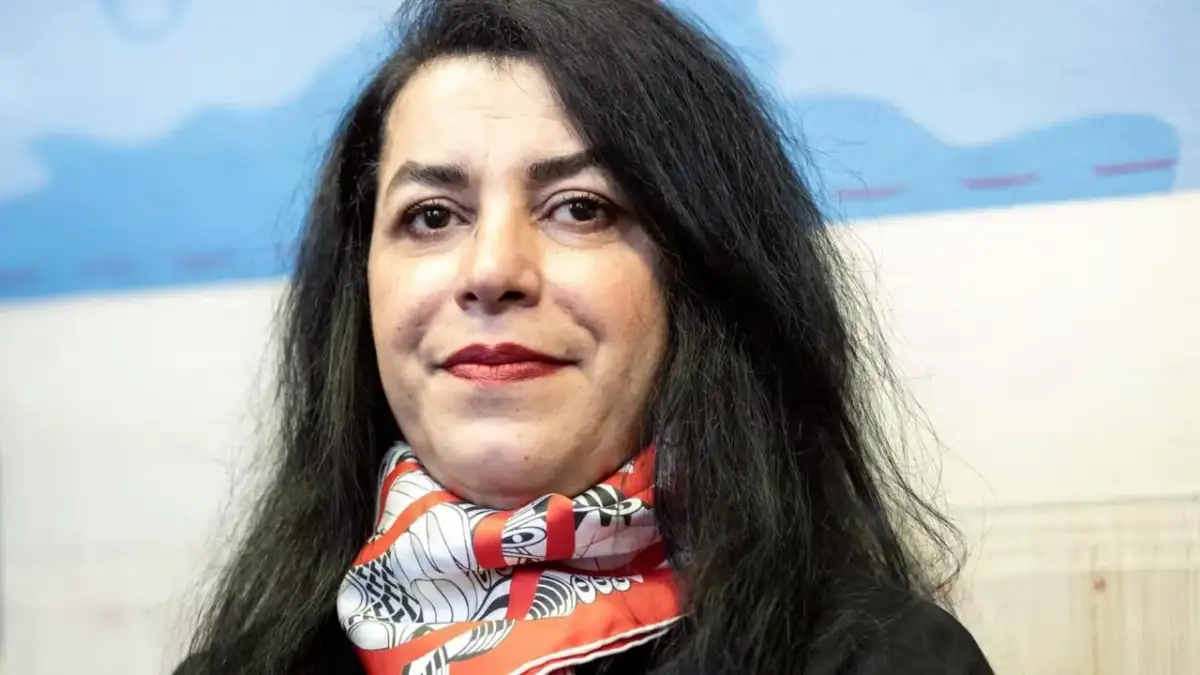
Satrapi's work, particularly 'Persepolis', offered a raw, personal, and often unflinching look at the complexities of Iranian society, the political upheavals, and the experience of exile. Her narrative provided a crucial, human lens through which many outside Iran first encountered its recent history, focusing on the intersection of personal experience with political and social change.

"Marjane was an extraordinary artist and an endearing woman who embodied the joy of creation and the sadness of exile and painful memories."
The artist, born in Rasht, Iran, hailed from a family of intellectuals and was educated in both Iran and Europe, including the École supérieure des arts décoratifs de Strasbourg. This dual upbringing informed her perspective, allowing her to navigate and depict the clash of cultures and ideologies that shaped her life and her art. Her decision to move to France in 1994 marked the beginning of her prominent international career, leading to her naturalization in 2006.
Read More: Sayeeda Ali painting workshop in Visakhapatnam on July 4 2026
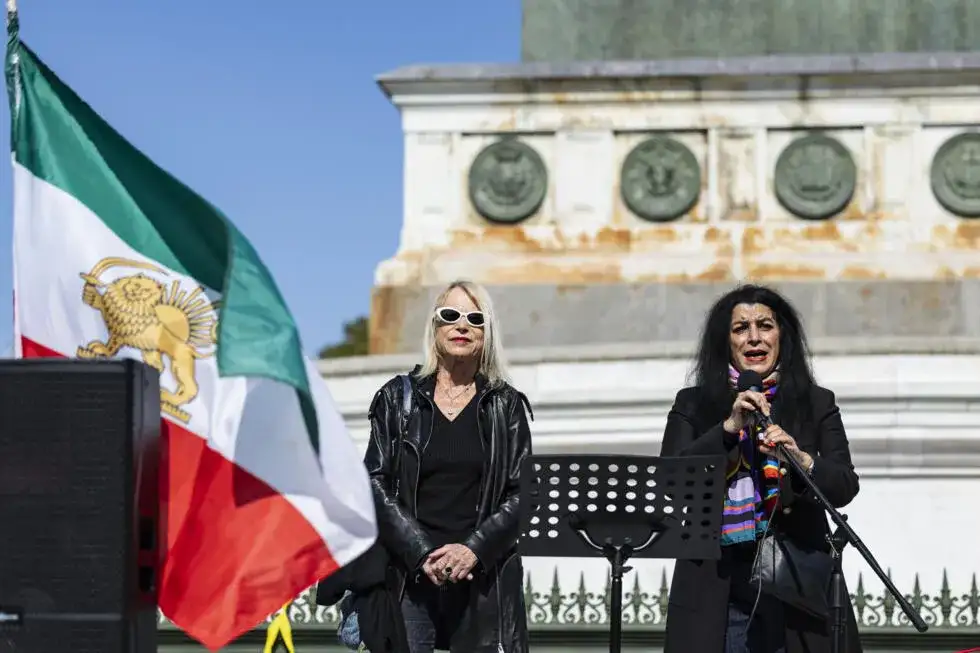
Satrapi's oeuvre extended beyond 'Persepolis'. Works like 'Broderies' (Embroideries) and 'Poulet aux prunes' (Persepolis: The Story of a Young Iranian Girl), the latter winning an award at the Angoulême International Comics Festival, further explored themes of Iranian identity, memory, and the lives of women. Her visual style, characterized by bold lines and a limited palette, lent a distinctive power to her storytelling, a technique she also applied to filmmaking.
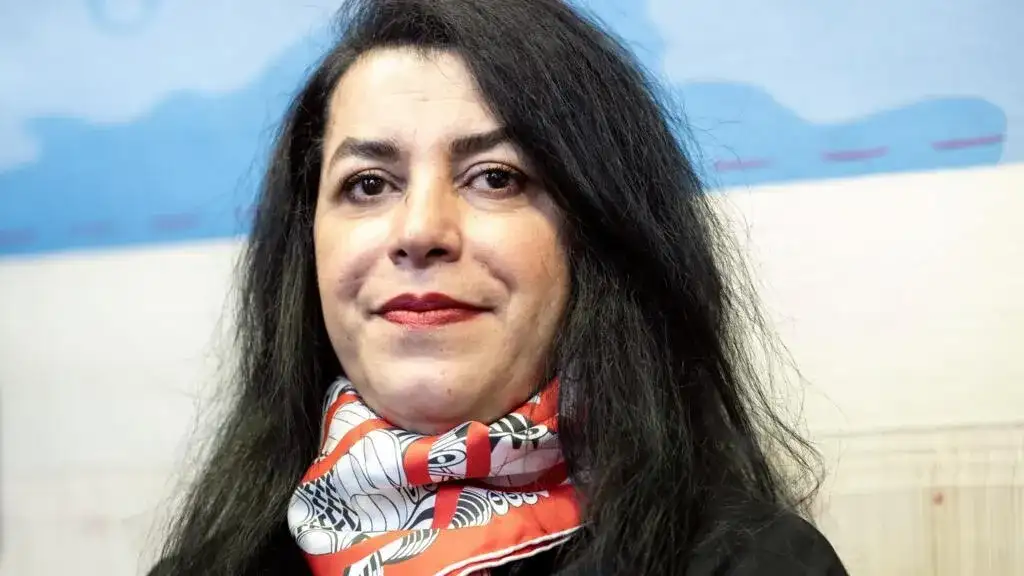
Her public persona was marked by a consistent engagement with human rights and a critique of political repression, particularly concerning Iran. Satrapi's voice was often raised in solidarity with the Iranian people, especially women and youth, and in protest against perceived hypocrisies in international relations with her country of origin. She maintained a critical stance, questioning France's approach to Iran amidst renewed crackdowns.
Read More: Desogestrel Pill Use Linked to Higher Brain Tumor Risk
Her death leaves a void in the cultural landscape, with tributes highlighting her significant global impact and her role as an emblem for the Iranian people and women's rights. Her art, recognized for its power to convey freedom, resistance, and hope, is expected to continue influencing future generations.
The specifics of her physical health beyond the stated cause of grief remain unclear, though reports suggest a condition involving the heart muscle. She is noted to have been a conscious refuser of traditional societal expectations, including motherhood.