Bamako, Mali – June 25, 2025 – Mali is deepening its engagement with Russia across multiple sectors, most notably in energy and mining. This collaboration includes the development of nuclear infrastructure and a new gold refinery, signals a pronounced pivot away from traditional Western partnerships. The nation finds itself at a crucial juncture, navigating both internal geopolitical currents and external influences vying for its strategic mineral wealth.
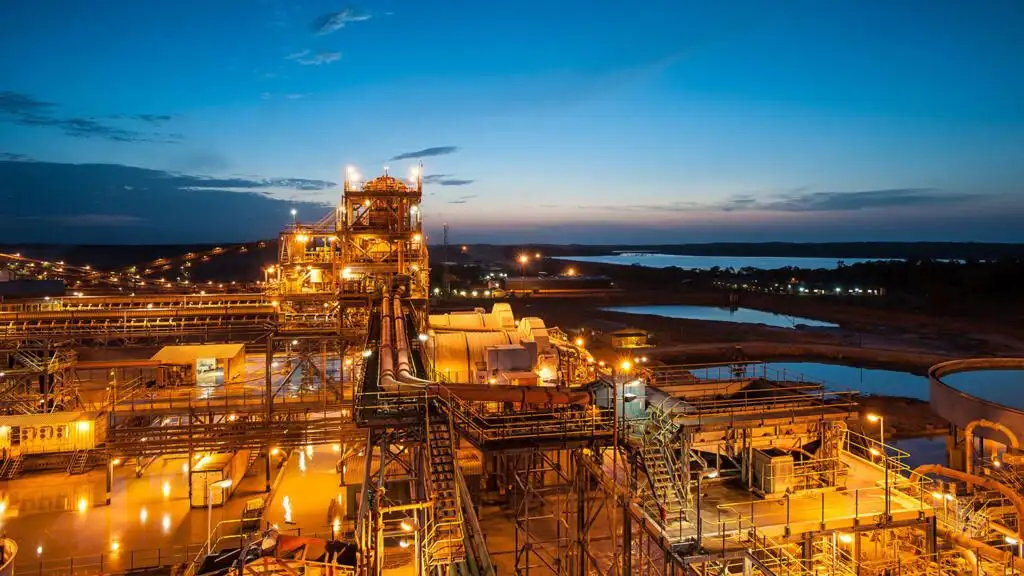
The current realignment sees Mali partnering with Russia's Yadran Group on a new gold refinery, a move hailed by military ruler Gen. Assimi Goïta as an assertion of "economic sovereignty." This venture, with Mali holding a majority stake and Yadran Group a minority share, comes as Mali, Africa's second-largest gold producer, seeks to bolster its control over its valuable resources. The refinery, located in Senou near the capital Bamako, is slated for a 200-tonne capacity.
Read More: US supports Pakistan border strikes against Taliban as of April 2026
Beyond precious metals, Mali's embrace of Russian partnership extends to its energy sector. Agreements are in place to develop Mali's first nuclear infrastructure for peaceful energy generation, including plans for a low-power nuclear plant, training local experts, and public awareness campaigns. Russian state nuclear energy corporation, Rosatom, is also set to support solar energy development and geological research in Mali. These minerals, particularly uranium and lithium, are identified as crucial for the global green energy transition, positioning Mali as an increasingly attractive partner for Russia.
Security and Influence Nexus
This deepening of ties is not solely economic. Security cooperation is also a significant component of the Mali-Russia relationship. Intelligence assessments suggest a loyalty to Russia at key nodes within Mali's intelligence apparatus, facilitated by access to Russian surveillance technology, training, and SIGINT tools. Pro-Russian officers are reportedly receiving career incentives, and exclusive Russian armament deals are noted. This network, including figures within the DGSE (Malian Intelligence) and the Africa Corps, appears to act as a conduit for Russian influence within the country.
Read More: Mali Separatists and Jihadists Attack Together in Bamako
Broader Regional Trend
Mali's reorientation towards Russia is not an isolated event in West Africa. Neighboring countries such as Burkina Faso and Niger are also observed to be pivoting towards Russia, particularly after the ousting of civilian leaders. Studies indicate a strong correlation between increased Russian engagement in these Sahelian nations and rising public approval for Russia's leadership. This trend is most pronounced in Burkina Faso, with a correlation of 0.92, and Mali, at 0.87, suggesting a responsive public opinion shaped by heightened Russian presence and activity.
Context and Strategic Assets
Mali's significant mineral reserves, including gold, uranium, and lithium, place it at the nexus of global commodity markets and the push for green energy solutions. The country's underdeveloped energy infrastructure presents opportunities for investments in decentralized solar and wind projects, potentially funded by its mineral wealth. The long-term vision includes the integration of Small Modular Reactors (SMRs) into Mali's industrial strategy, should its energy sector successfully link with global markets. This strategic positioning of its resources underscores the geopolitical implications of its shifting alliances.
Read More: Captain Ajay Pant detained in UK for Russian oil sanctions breach