Maine has enacted the nation's first statewide moratorium on the construction of large data centers. The legislative action, approved this week, places a temporary halt on new facilities exceeding 20 megawatts of power draw until at least fall 2027. This move signifies a significant pushback against the rapid expansion of energy-intensive data centers, largely driven by the burgeoning demands of artificial intelligence.
The ban aims to temporarily pause the creation of new data centers that require more than 20 megawatts of power, until autumn 2027. A mechanism will be established to study their impact on the electrical grid.
The legislation, LD 307, emerged amidst growing concerns about the substantial electricity consumption, water usage, and environmental footprint of these facilities. While proponents of the ban highlight the potential strain on the electrical grid and rising energy costs, critics question the exclusion of data centers from certain tax incentive programs.
Read More: How AI and electron microscopes help scientists build better batteries using MXene materials in 2026
Lawmakers on both sides of the aisle have engaged in the debate. Some, like Shelley Rudnicki (R-Fairfield), questioned why data centers were being singled out, noting that they are already subject to environmental and local regulations. Others, such as James Libby (R-Cumberland) and Steven Foster (R-Dexter), voiced concerns about Maine missing out on potential economic opportunities, even as data centers are being built elsewhere. Daniel Sayre (D-Kennebunk), however, argued that data centers do not align with the goals of existing tax incentive programs.
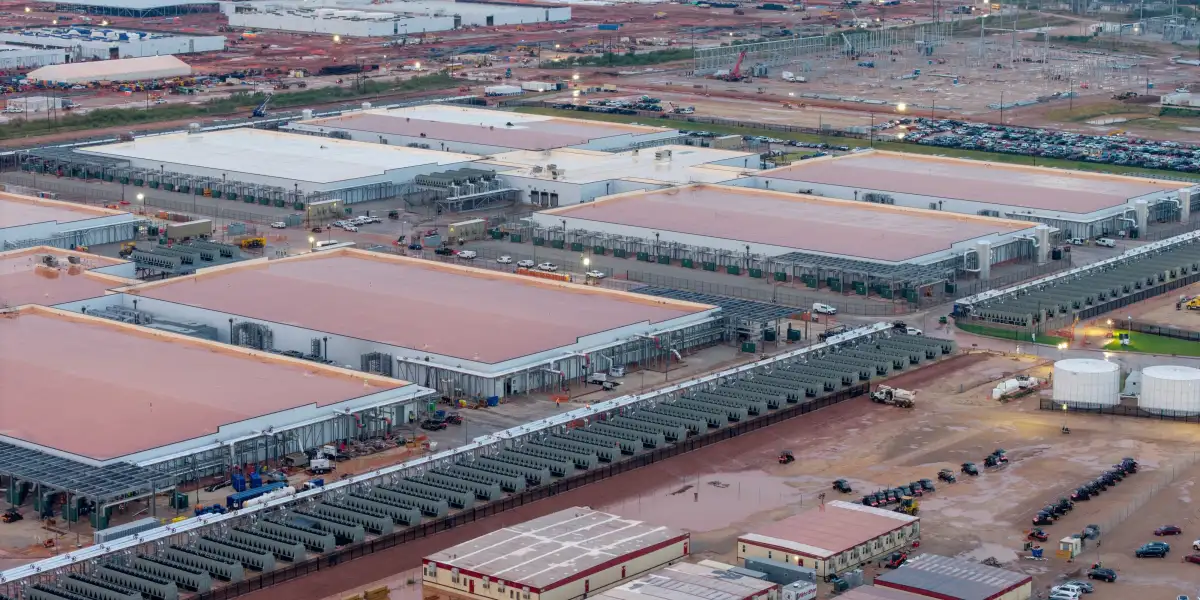
Despite these reservations, the bill secured passage, reflecting a broader national trend of increasing legislative scrutiny and local opposition to data center development. Maine's decision could set a precedent for other states grappling with similar issues. The measure also establishes the 'Maine Data Center Coordination Council' tasked with providing strategic input and evaluating policy tools related to data center development.
Read More: NAACP sues xAI for pollution in Black Memphis neighborhoods on April 14 2026
Energy Appetite and Economic Questions
The rapid proliferation of data centers across the United States, now numbering over 4,000 according to Data Center Map, is directly linked to the surging demand for computing power driven by artificial intelligence. This expansion has increasingly met with community backlash, fueled by worries about escalating electricity rates—a particular concern in Maine, which already contends with some of the highest power costs in the nation.
Glenn Adams, business development director for Sargent Corp., suggested that states implementing pauses on data center development risk falling behind economically. Conversely, Patrick Woodcock, president and CEO of the Maine State Chamber of Commerce, noted that data centers could potentially fill the void left by the decline of Maine's pulp and paper industry. Governor Mills, while acknowledging the intent behind the bill, has also pointed to the job creation, tax revenue, and economic development potential of proposed data center projects, such as one in Jay, which planned to leverage existing hydropower.
Read More: Amazon Buys Globalstar for $11.57 Billion to Compete With Starlink
Broader Context and Precedent
Maine's legislative action follows similar, though often less sweeping, efforts in other localities. Tulsa, for instance, recently enacted a nine-month moratorium on data center construction. Discussions around potential bans or pauses have also occurred in states like Wisconsin. The outcome in Maine, as a statewide, extended moratorium, marks a potentially pivotal moment, signaling a growing willingness among state lawmakers to directly address the implications of the expanding data center industry, independent of federal intervention. The impact of Maine's precedent on future AI services and associated costs remains a subject of observation.