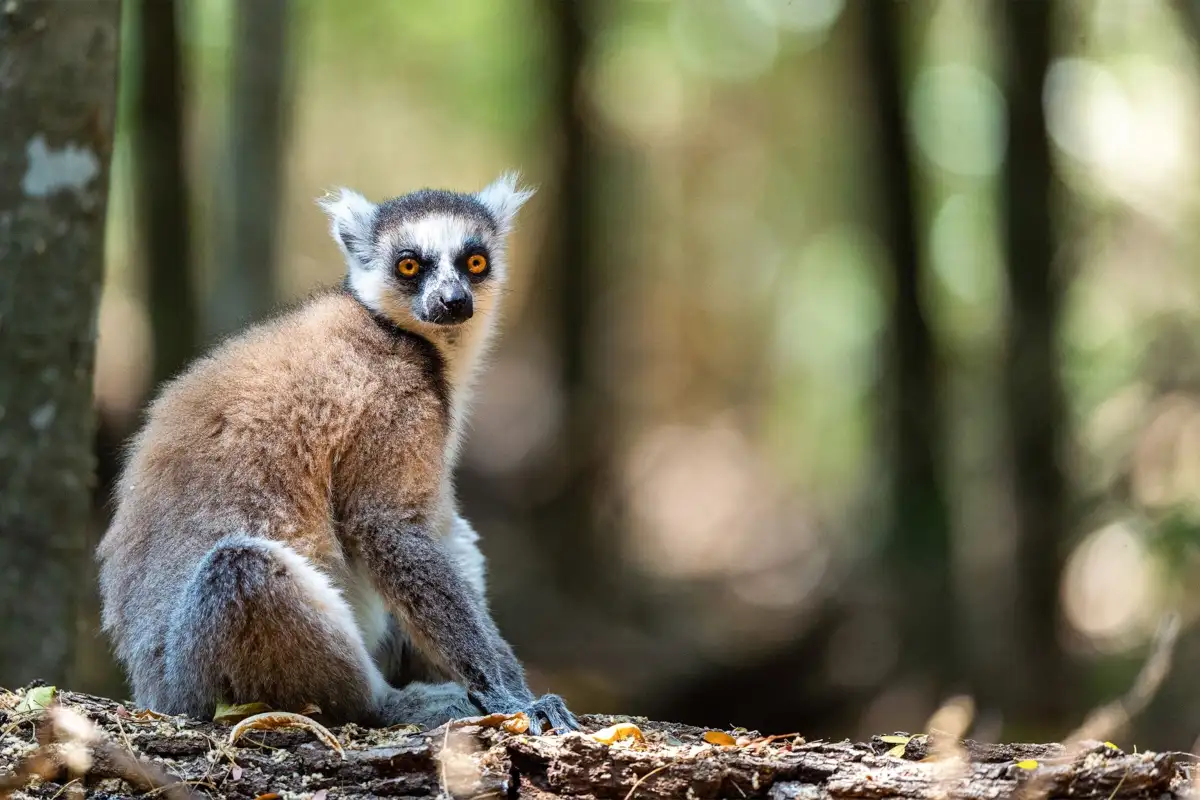
Madagascar's lemur populations, numbering over 100 species unique to the island, face a precarious existence. Their survival is intrinsically linked to the island's remaining forests, which are under duress. This dependency highlights a complex ecological entanglement where the animals' dietary needs and the health of their habitat are in constant, fragile balance.
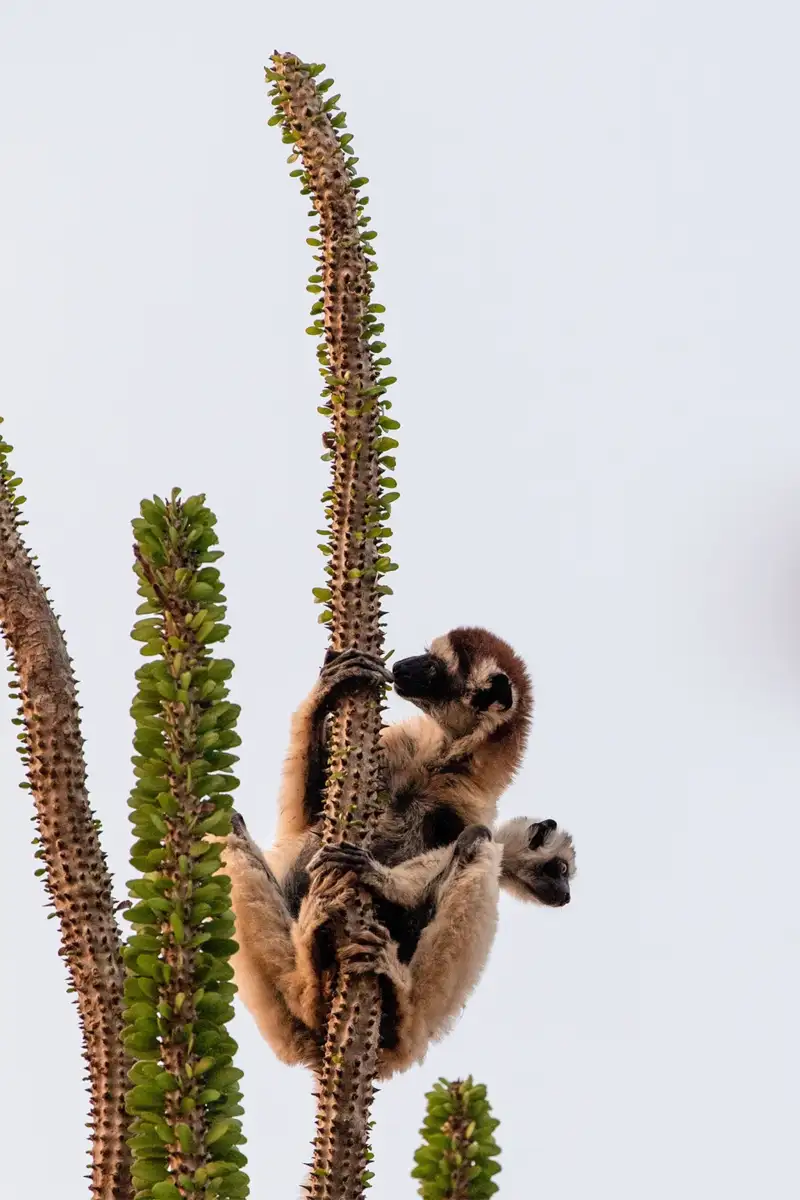
Lemurs, predominantly fruit-eaters, exhibit a strategy known as frugivory, with many species showing a particular fondness for figs. This dietary preference, however, places them in a difficult position as the very plants that sustain them can also contribute to the degradation of their forest homes. For instance, some lemurs consume leaves from at least 82 native plant families, often favoring younger foliage, indicating a broad reliance on diverse flora.
Ecological Entanglements and Dietary Habits
The feeding habits of lemurs are far from uniform. While many species, such as the brown lemur, primarily consume fruits—accounting for up to 70 percent of their diet—others have evolved highly specialized diets. Bamboo lemurs, for example, have adapted to ingest bamboo containing cyanide levels lethal to most other creatures. Ring-tailed lemurs, on the other hand, are classified as omnivores, broadening their dietary intake.
Read More: Orangutan Mothers Plan Playdates for Babies in Borneo

"The diets of lemurs broadly encompass a range of plant materials and invertebrates, though proportions differ significantly among species."
A comprehensive database cataloging lemur diets reveals 5,854 recorded instances of plant part exploitation across various lemur species and genera. This data details exploited plant families, genera, and species, alongside their life forms, origins, and invasive properties. It provides a granular look at the specific food items, including parts of plants, that lemurs consume.
A Sanctuary Under Threat
Madagascar, described as the "Earth's oldest island" and an unparalleled biological treasure trove, is the sole habitat for all lemur species. This unique endemism means that the fate of these primates is entirely tied to the island's ecological integrity. Beyond lemurs, the island is home to an astonishing array of biodiversity, including around 150,000 other animal species. However, a marked increase in deforestation over recent decades has severely threatened this rich biodiversity, jeopardizing the long-term survival of its endemic inhabitants.
Read More: Amazon Land Use Changes Cause Disease Clusters in Brazil
The conservation of lemur forests is a pressing concern, with communities actively engaged in efforts to protect these vital ecosystems. This work underscores the deep connection between the lemurs' existence and the endurance of their forest habitats.
Historical Context and Current Peril
Historically, Madagascar's unique evolutionary trajectory has supported a diverse primate fauna, including now-extinct giant lemurs. These creatures shared their environment with predators like the giant fossa. Today, the situation is dire: lemurs are now classified as the most endangered group of vertebrates on Earth. The aye-aye, for instance, occupies a niche similar to that of woodpeckers, which are absent from the island, illustrating the specialized roles these animals play within their ecosystem.
The ongoing deforestation poses a critical threat, particularly to species like the sifaca lemurs and brown lemurs whose diets are heavily reliant on specific forest resources. Without the persistence of these niche forest habitats, the continuation of lemur populations remains uncertain.
Read More: Japan Adds 800 Cameras To Track Bears After 5 Deaths This Year