Ocean Currents Transport Particles Eastward
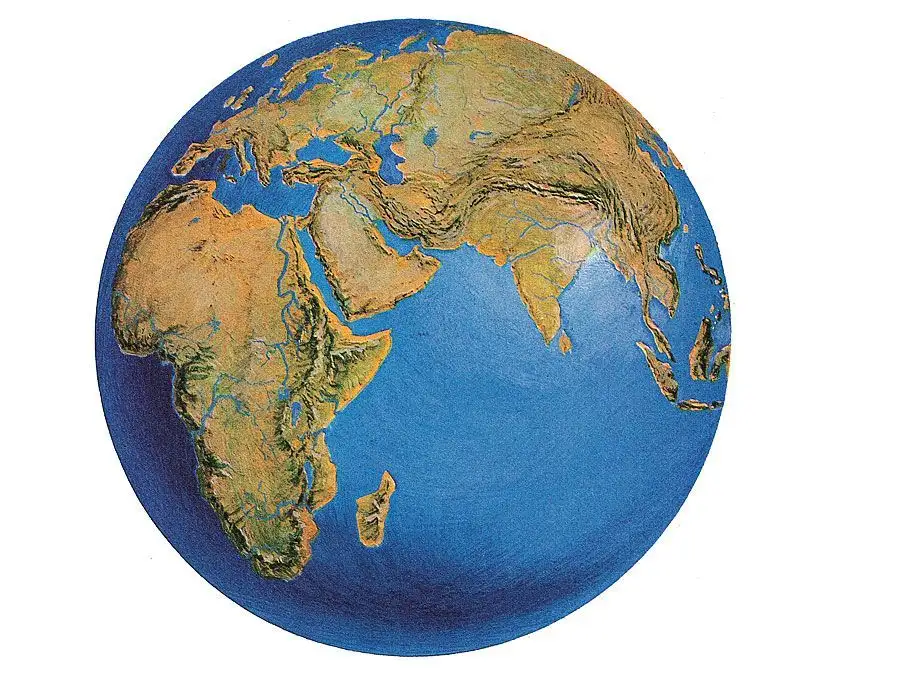
Equatorial currents are actively moving microlitter from the West African coast across the South Atlantic Ocean, reaching as far as Brazil and impacting remote oceanic areas. This movement highlights a significant cross-border pollution dynamic, complicating efforts to manage marine waste.
A study charting microlitter distribution across nearly 8,000 kilometers, from Salvador, Brazil, to the Strait of Gibraltar, found concentrations particularly dense near the equator, off Brazil, and around the 10°N latitude. While the Northern Hemisphere shows higher overall microlitter levels, especially in cellulosic fibers, the West African coast is identified as a distinct origin point for pollution that travels westward.
Microlitter, a category encompassing microplastics alongside other anthropogenic particles like rubber, metal fragments, and fibers, poses a pervasive threat to marine ecosystems. These materials, particularly modified fibers that resist biodegradation, persist in the ocean environment akin to synthetic plastics.
Read More: Amazon Land Use Changes Cause Disease Clusters in Brazil
Regional Hotspots Identified
Equator and Brazil: Areas near the equator and off the coast of Brazil are noted as significant microlitter accumulation zones.
10°N Latitude: A distinct hotspot for microlitter concentration is also observed around 10° North.
The research categorized microlitter into various sizes, from megaplastics greater than 1 meter down to nanoplastics less than 1 micrometer. Small microlitter particles were more abundant and tended to be fragmented, whereas larger microlitter items were less common and predominantly fiber-based.
Broader Context of Coastal Pollution
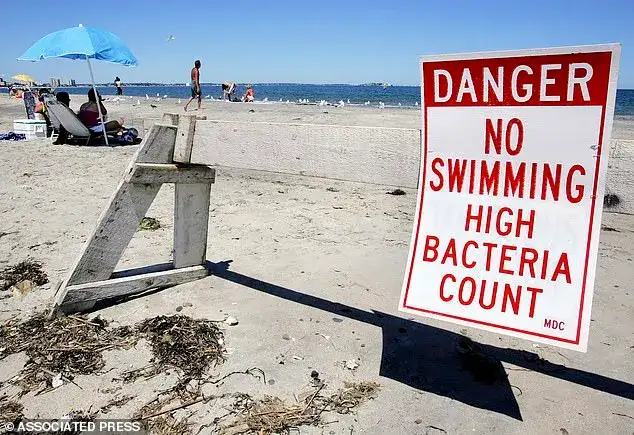
West Africa's coastal regions, especially the Gulf of Guinea, face considerable environmental pressures from plastic pollution. This pollution directly impacts marine biodiversity, vital fisheries, coastal tourism, and the well-being of local communities. River systems from countries like Mauritania, Senegal, Guinea, and Liberia contribute to debris convergence in the Gulf of Guinea, marking it as a regional repository for marine waste.
International initiatives, such as those supported by the European Space Agency's Global Development Assistance program, are working with partners like the World Bank to address this escalating challenge in West Africa's coastal zones. Studies in Nigeria, for instance, have documented substantial quantities of beach litter, primarily plastic, underscoring the scale of the problem along the continent's coastlines.
Read More: Fikra API Africa Mobile Money AI Access for Developers