Lysol Issues Direct Warning Following Disturbing Online Displays
Lysol has stepped into a digital fray, directly addressing a concerning trend where individuals are seen applying its disinfectant spray to their skin. The company, through its parent firm Reckitt, issued a statement acknowledging a viral video showcasing such use and has explicitly stated, "We'd like to speak with you personally about your usage here." This intervention highlights a stark departure from typical product warnings, indicating the gravity with which the company views the public display of chemical misuse.
The brand’s intervention comes as a video, reportedly featuring a user named Krista Whitney, circulated across platforms like Instagram. Lysol’s official stance, echoed by Reckitt, is unequivocal: their products are strictly for surface application, not personal use. Safety instructions, as per their documentation, advise avoiding contact with eyes, skin, and clothing. The company’s proactive engagement suggests a significant concern over potential harm stemming from this dangerous imitation online.
Read More: India IVF Costs And Social Barriers Limit Access In April 2026
Risks of Direct Skin Application
The practice of spraying disinfectants like Lysol directly onto the skin is demonstrably unsafe. Medical and safety advisories consistently warn against such application. Direct contact can lead to chemical burns and severe irritation, particularly for those with sensitive skin or existing dermatological conditions. Experts recommend immediate rinsing with running water if accidental skin contact occurs and suggest consulting a physician for persistent adverse effects.
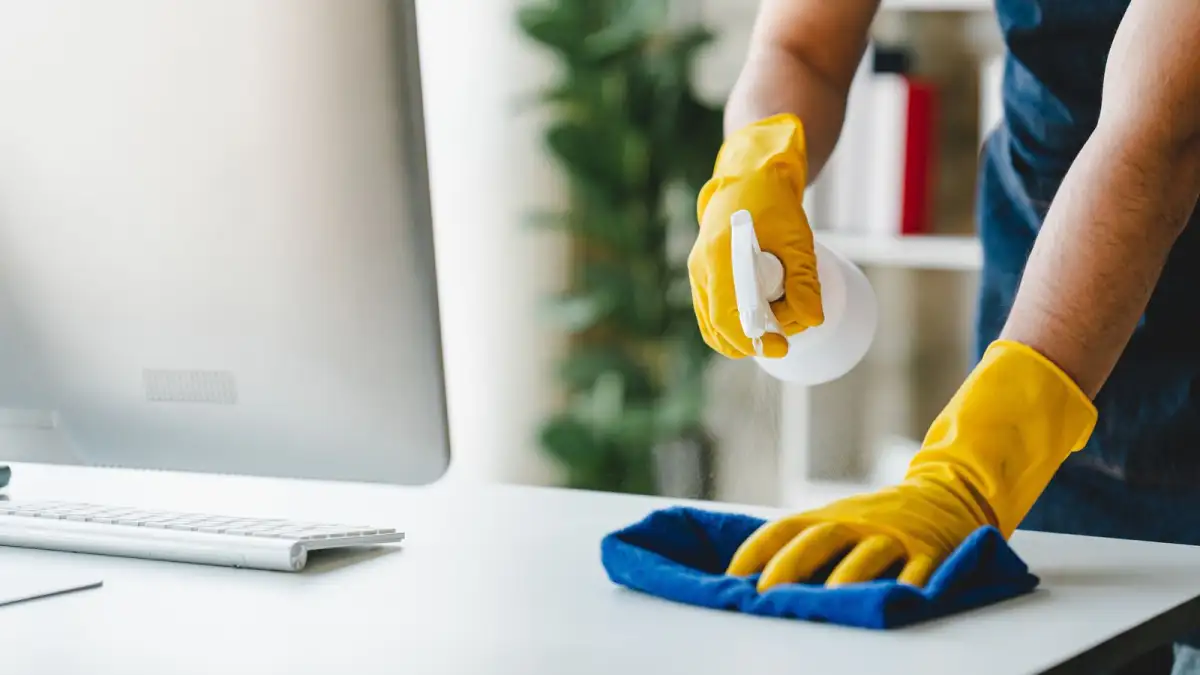
While the primary function of these products is to eliminate germs, the chemicals involved pose their own set of risks. Some analyses of Lysol's composition have identified ingredients such as ammonium hydroxide and MIPA-borate, which are noted for their caustic or potentially irritating properties. Concerns have also been raised about the impact of such ingredients on children's health, suggesting a need for careful consideration even in intended applications.
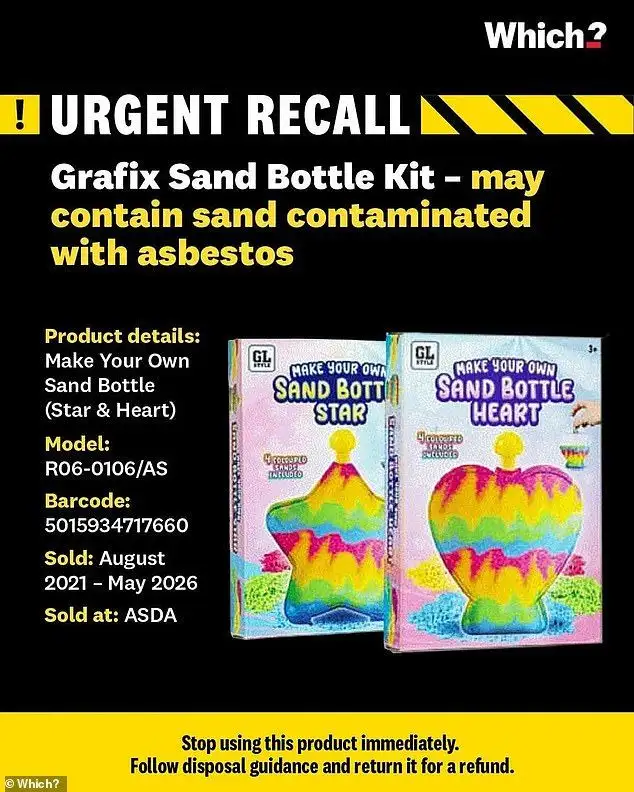
Read More: Asbestos Found in Kids Sand Kits Sold on Amazon, eBay, TikTok, Asda
Overkill Disinfection and Alternative Practices
Some observers question the necessity of using such potent disinfectants for routine household cleaning, particularly when simpler methods like washing hands with soap and water are effective for germ reduction. The assertion is that powerful household cleaners like Lysol may be excessive for typical domestic environments, presenting risks that outweigh their benefits unless in specific, high-risk situations, such as those involving infectious diseases.
For those seeking DIY alternatives, options like diluted vinegar have been suggested. When a stronger disinfectant is required, Lysol’s own product range includes specific items, like Lysol Laundry Sanitizer, which, while still not for skin application, is designated for fabric sanitization, implying a more targeted approach to product use.
Background: The Chemical Landscape of Cleaners
The broader context of household cleaning products reveals ongoing discussions about ingredient transparency. Reports have emerged suggesting that manufacturers may resist full disclosure of chemicals within their cleaning agents. This lack of clarity fuels public concern, especially given the known hazards associated with certain chemical compounds. The debate over ingredient lists and their potential health implications, particularly for vulnerable groups like children, underscores the complex relationship between hygiene and chemical safety in modern homes.
Read More: Georgia Toffolo's Lake Como Trip After Fertility Talks