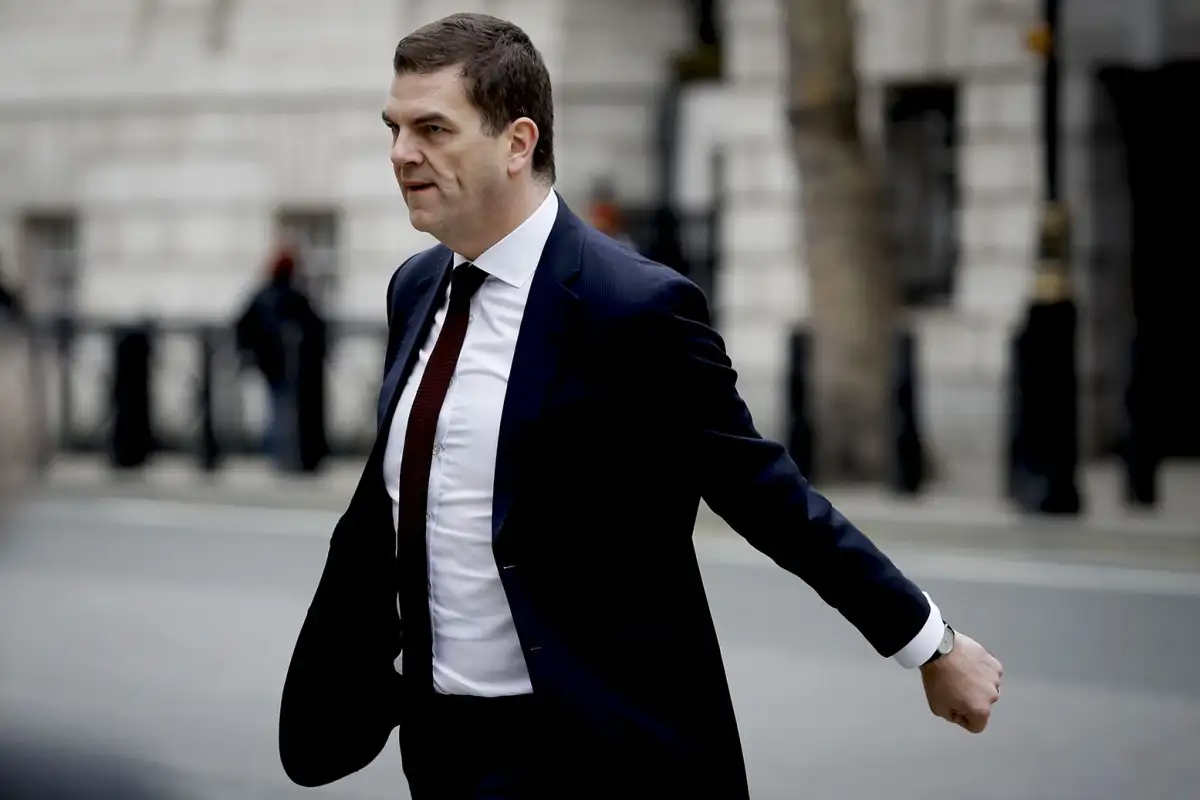
Select Committee Appearance Raises Questions on Mandelson Appointment
Olly Robbins, former senior civil servant, has provided testimony before the foreign affairs select committee, a session that has amplified scrutiny on Keir Starmer's decision-making regarding the appointment of Peter Mandelson. Robbins' defence, described by some observers as "quietly damning," has left Starmer facing "more questions than answers." The core of the controversy appears to center on vetting concerns surrounding Mandelson, with Robbins indicating he did not relay these issues to Number 10.
Robbins's account suggests a significant information gap, where potential vetting problems concerning Mandelson were not escalated to the highest levels of government, creating a complex situation for Starmer who has defended his appointment decisions.
Mandelson Appointment Under Scrutiny
Robbins's statements have brought the process by which Mandelson was appointed to a prominent role under a harsh light. Reports indicate that Robbins himself has lost his job in the wake of these revelations, prompting speculation about whether he is being made a scapegoat. The questioning has focused on Starmer's apparent failure to inquire about the security vetting process for Mandelson, with some critics labeling Starmer "incurious" and suggesting he overlooked clear "red flags."
Read More: Andrew sublet Royal Lodge cottages for years, NAO report says

The situation is compounded by the revelation that Lord Doyle, another influential figure, also presents a new issue arising from Robbins's evidence. This adds another layer of complexity to the political fallout, with Starmer's endorsement of Mandelson's appointment now appearing to be a difficult point to navigate.
Background: A Pattern of Influence and Controversy
Peter Mandelson, a figure with a long history of political influence, particularly on the right of the Labour Party, has been at the center of political maneuvering. His appointments have often been subjects of intense debate. The current situation echoes past controversies, where Mandelson's prominence has coincided with significant political developments.
Olly Robbins, who previously worked under figures like Tony Blair, has been a key player in government processes. His role in the Mandelson appointment, and the subsequent questioning of his actions and omissions, places him at the crux of a political storm that has implications for Starmer's leadership and perceived judgment. The broader context involves the complexities of civil service communication, political appointments, and the vetting procedures necessary for individuals in sensitive positions.
Read More: Starmer Faces Questions on Mandelson Vetting Before Epstein Links