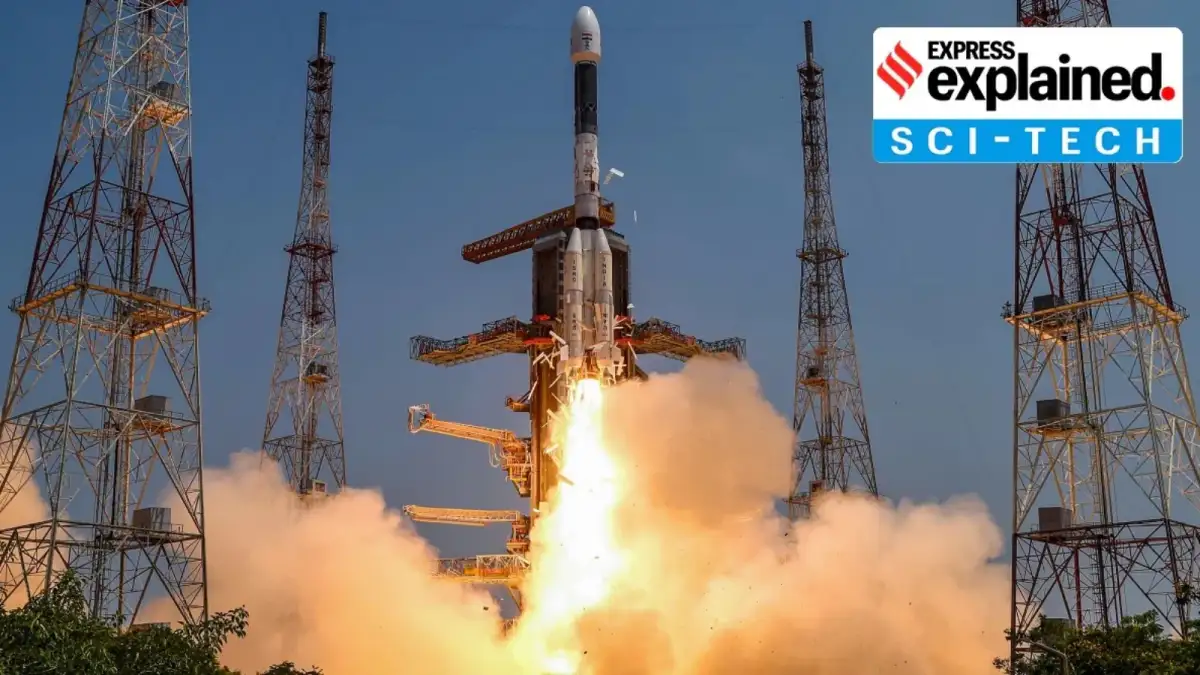
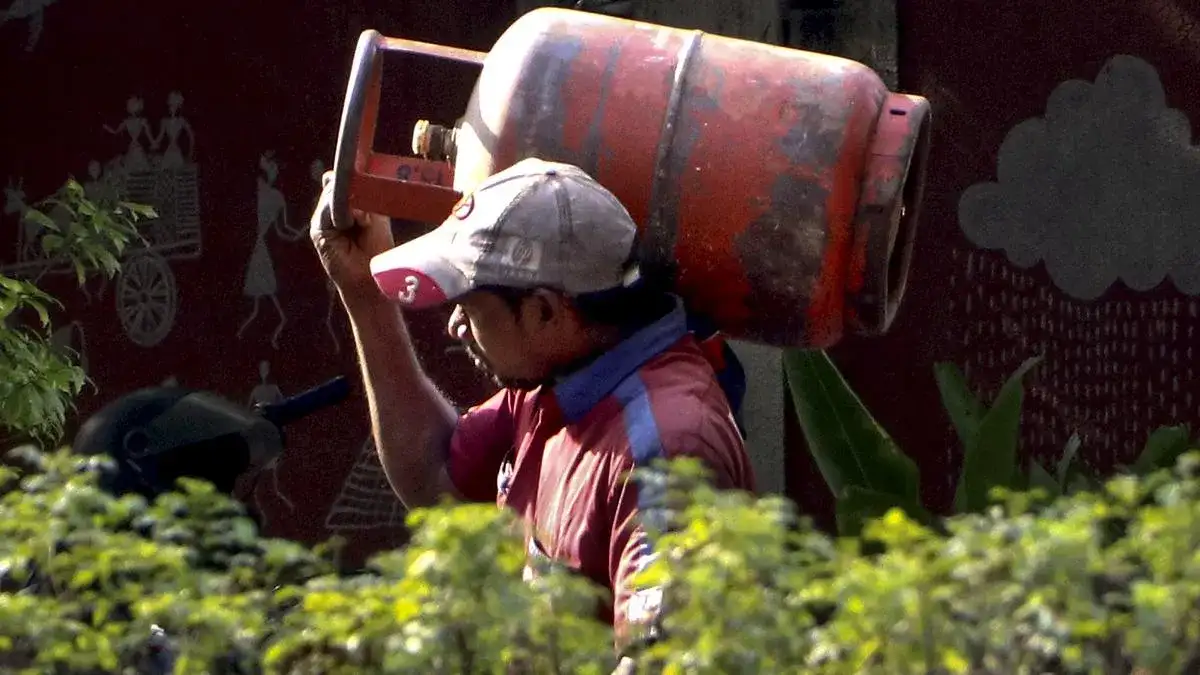
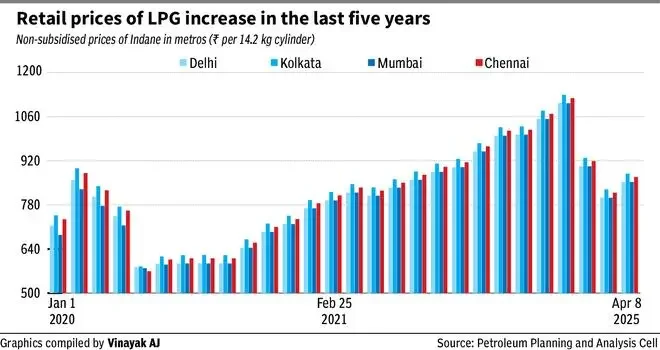
Recent adjustments to Liquefied Petroleum Gas (LPG) cylinder prices, including a ₹50 increase for both Pradhan Mantri Ujjwala Yojana (PMUY) beneficiaries and general consumers, have triggered a wave of criticism from opposition parties and raised concerns about the financial strain on households. The new pricing sees PMUY beneficiaries paying ₹550 per 14.2 kg cylinder, up from ₹500, while non-Ujjwala consumers now face ₹853, an increase from ₹803. This marks the first LPG price adjustment of the current financial year, impacting millions reliant on the fuel for cooking.
"The Union government must withdraw the recent ₹60 increase in the price of domestic and commercial LPG cylinders, stating that the move would impose an additional burden on the public." - M.H. Jawahirullah, President, Manithaneya Makkal Katchi (MMK) and MLA.
Opposition figures have decried the price hike, framing it as an "assault on household budgets" and a burden on citizens already grappling with economic uncertainties. Political rhetoric has intensified, with some parties accusing the government of disingenuously collecting funds from the public while simultaneously increasing the cost of essential commodities. The timing of the hike, following a previous increase in excise duty on petrol and diesel, has drawn particular scrutiny, with some suggesting it undermines public trust and government-led campaigns aimed at addressing public grievances.
Read More: Great Britain Energy Bills Drop April 1st But Toaster Costs Still High
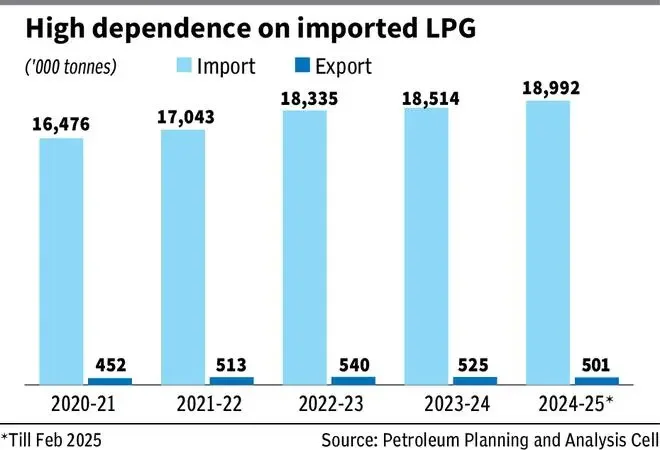
The justifications offered for the price adjustments point to a confluence of factors, including escalating global LPG prices and the need to manage subsidy burdens. This delicate balancing act between market pressures and affordability has become a recurring theme, with LPG often viewed as a political tool influenced by electoral considerations. The implementation of the Direct Benefit Transfer (DBT) scheme for LPG, which aimed to streamline subsidies, has not shielded consumers from the impact of fluctuating global prices.
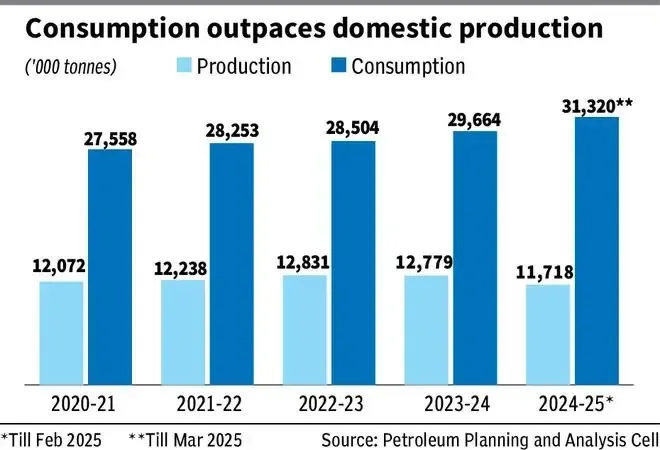
The economic implications for Indian households are significant. For families already contending with inflation, the increased cost of cooking fuel represents a further strain on already stretched budgets. This situation presents a difficult challenge for individuals, particularly those with limited income alternatives, struggling to meet daily expenses, manage debts, and cope with the rising cost of necessities.
Read More: India Creators Fight Back Against Book Censorship and Event Disruptions
Background: A Policy Tightrope
The periodic review of LPG prices, typically occurring every two to three weeks, reflects the government's attempt to navigate global market dynamics and domestic subsidy commitments. The existence of different pricing tiers – subsidised (for PMUY beneficiaries) and non-subsidised (for general consumers) – underscores the complex nature of energy policy in India. Historically, commercial LPG has served institutional needs, distinct from domestic consumption. The debate surrounding LPG pricing often highlights the tension between making essential energy accessible and managing the fiscal implications of subsidies. The current adjustments, occurring amid global trade tensions, underscore the persistent challenge of balancing national energy demands with international market volatility.