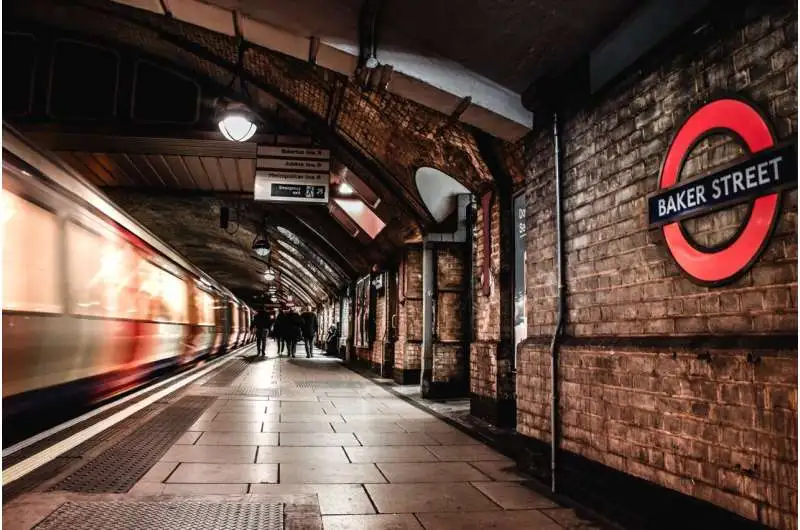
HEAT LEVELS IN SUBWAY SYSTEMS ARE SURGING, ACCORDING TO NEW RESEARCH
Subway riders are experiencing uncomfortably high temperatures underground, a situation that is worsening over time, according to a comprehensive study. This phenomenon is directly linked to rising surface temperatures, with commuters reporting significant thermal discomfort. The research, which analyzed data from systems in New York, Boston, and London, suggests a clear correlation between external heat and internal conditions within these transit networks.

COMMUTERS VOICE DISCOMFORT VIA SOCIAL MEDIA
A substantial number of passengers have taken to social media platforms to express their grievances about the sweltering heat experienced during their commutes. This online discourse validates the widespread experience of thermal discomfort among subway users. The study indicates that such complaints are not isolated incidents but rather a common reaction to the escalating underground temperatures.

Researchers noted that the volume of complaints appears to increase during warmer months, aligning with peak above-ground heat waves. This suggests that ambient temperature plays a crucial role in shaping commuter perception and reporting of thermal stress. While social media provides a window into passenger experiences, it may not capture the full extent of the issue, as vulnerable populations, often less active online, might be underrepresented in these complaints.
Read More: Kollam Rail Works Cause Train Schedule Changes
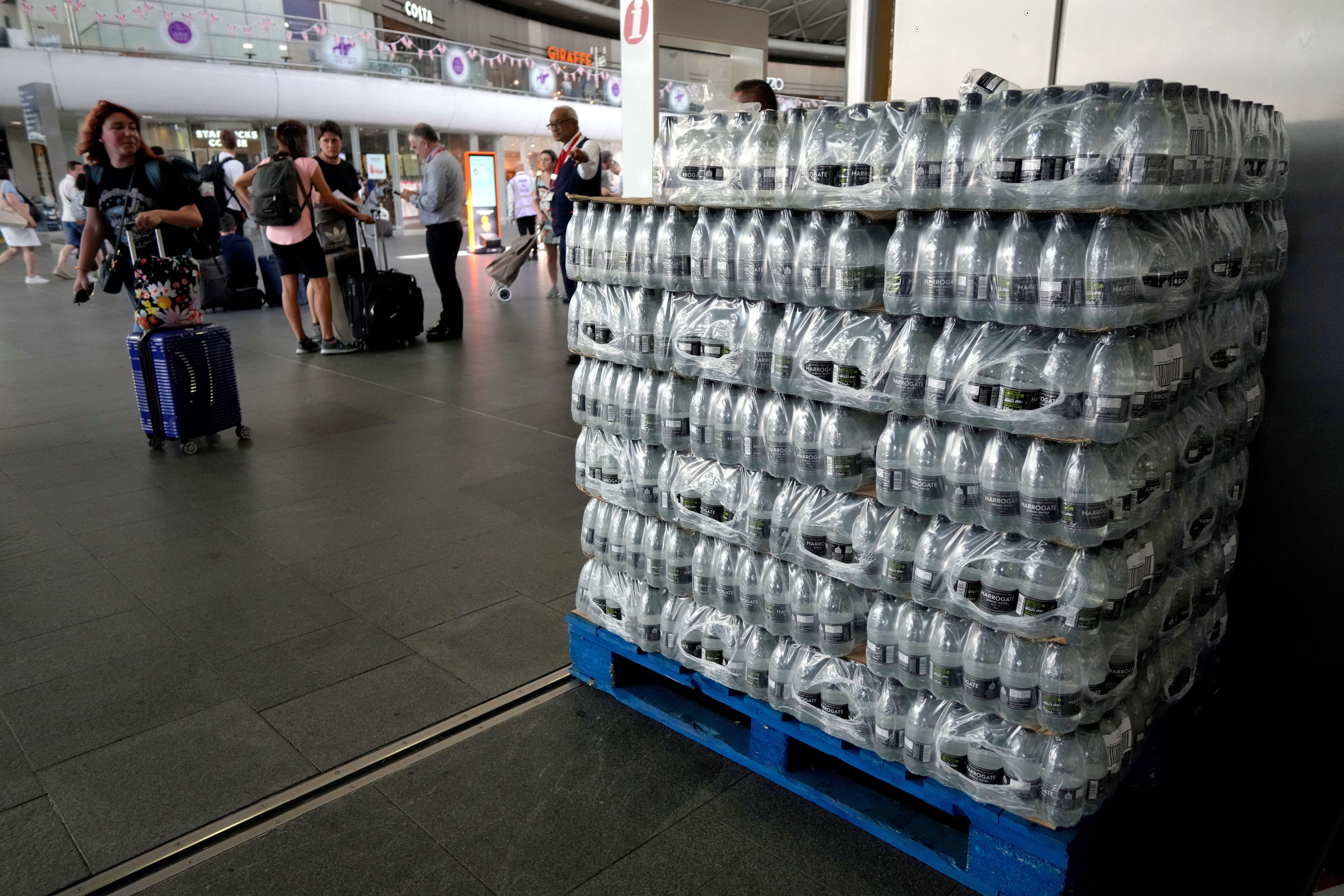
TEMPERATURES EXCEEDING EXTERNAL RECORDS
In some instances, temperatures recorded below ground have even surpassed those registered on the surface, highlighting the extreme conditions passengers are enduring. This widespread thermal discomfort poses a potential public health threat, particularly for individuals sensitive to heat.
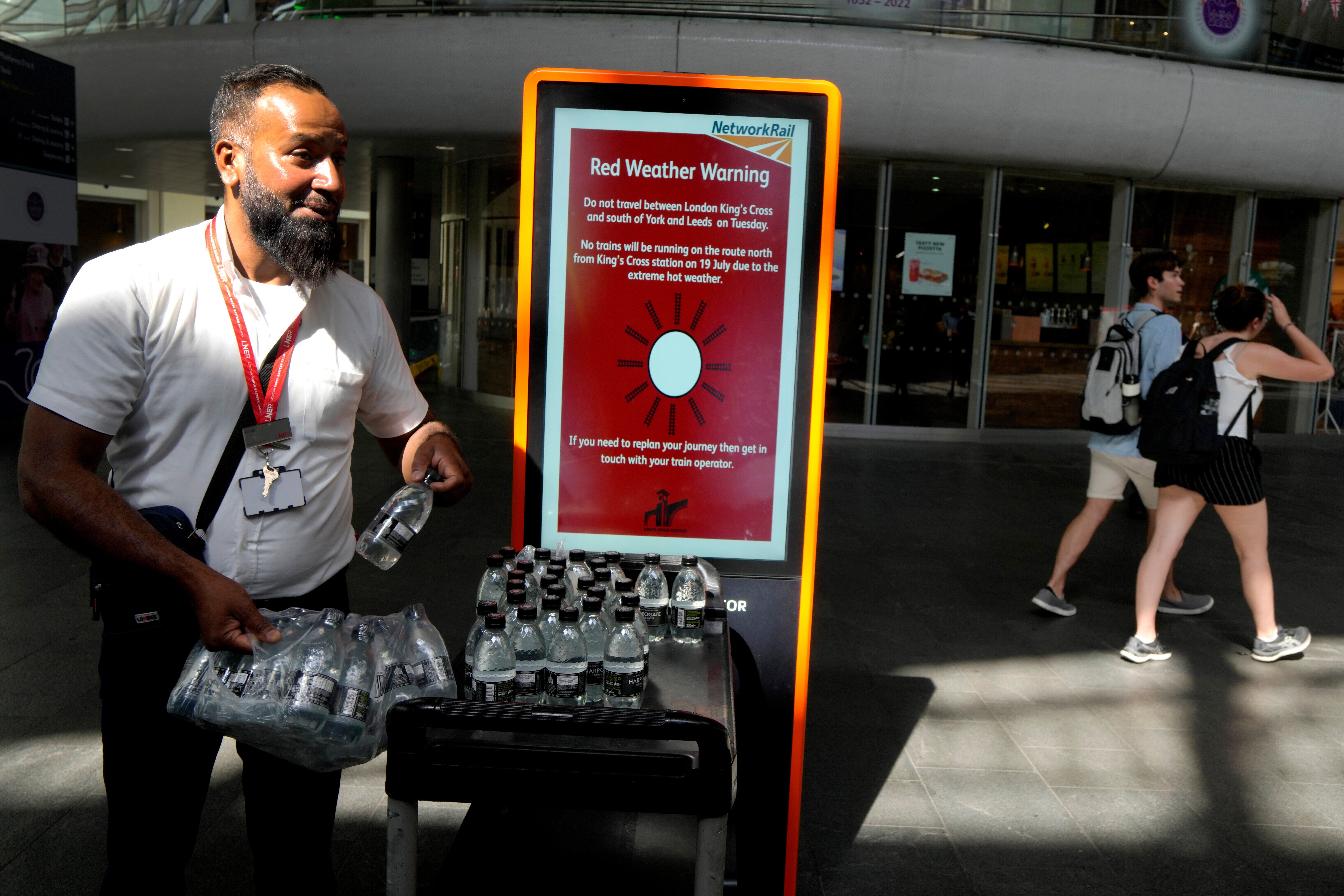
The analysis, published in the journal 'Nature Cities', also explored factors influencing the perception of heat. For example, differences in reporting were observed between weekdays and weekends, with weekend complaints decreasing. This points to the influence of social context, such as crowd density and commuter mindset, on how heat is experienced and subsequently reported.
The study’s findings could inform strategies for better managing underground temperatures. Suggestions include optimizing the operation of ventilation and cooling systems, potentially activating them only during periods of peak discomfort to conserve energy while improving rider comfort. However, limitations were noted, including the focus on only three transit systems and the challenge of isolating other factors that might influence social media behavior. Furthermore, the researchers were unable to gather direct feedback from passengers regarding specific heat-related issues encountered.