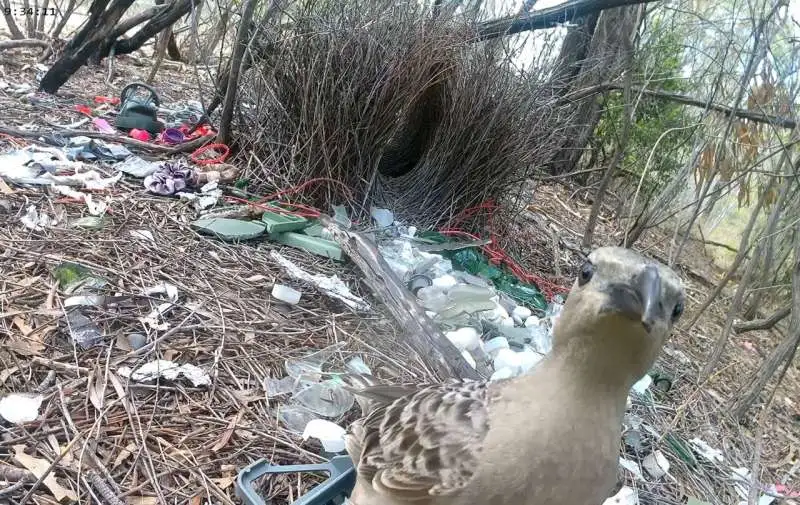
Urban bowerbirds are increasingly substituting natural materials for human-made objects in their elaborate courtship displays, according to new research. These city-dwelling birds appear to prioritize items like plastic, glass, and even currency over traditional fare such as fruits, seeds, and sticks.
The shift suggests a significant adaptation in mating strategies, with urban males demonstrating a marked preference for manufactured goods when vying for female attention.
A study comparing bowerbirds in Townsville City, Australia, with their counterparts on the rural Dreghorn Cattle Station revealed striking differences. Urban males were observed to have accumulated vast collections of human detritus, with one male's bower reportedly holding over 300 such items. Researchers presented both urban and rural birds with a mix of natural and human-made objects, finding that both groups strongly favored the latter, but the urban population's reliance was particularly pronounced. Urban bowerbirds used approximately three and a half times more human-made items than their rural relatives.
Read More: Orangutan Mothers Plan Playdates for Babies in Borneo
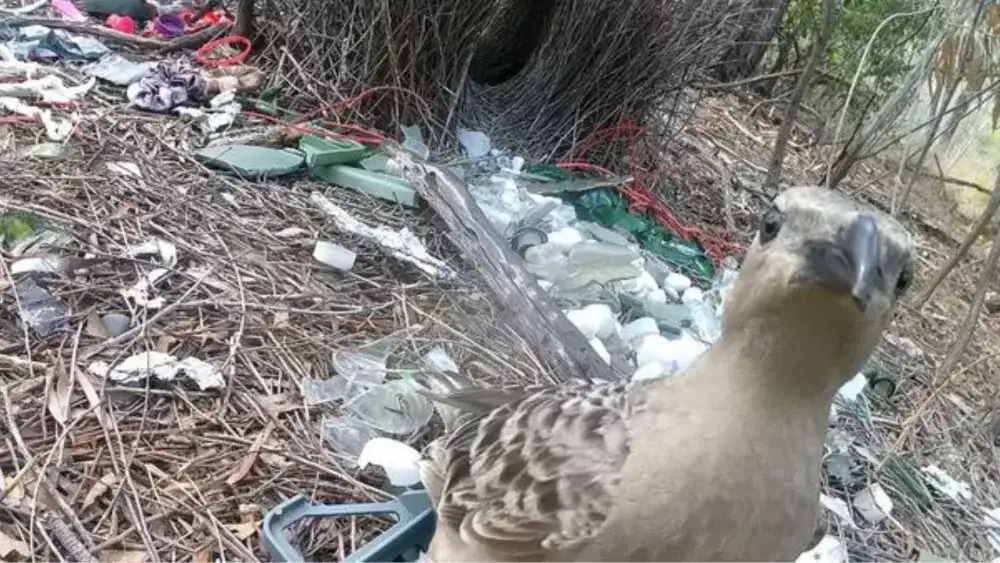
Researchers noted specific preferences emerging from the urban avian architects. While rural birds might incorporate green glass, city birds showed a strong inclination towards synthetic materials offering high contrast. Top decorations for urban males included green glass and red wire. The study also investigated the visual aspect of these displays, photographing bower decorations in both visible and ultraviolet light, as bowerbirds possess UV vision.
This phenomenon highlights how the anthropogenic landscape is not merely a backdrop but an active influence on animal behavior, reshaping even fundamental biological drives like reproduction. The elaborate structures, known as 'bowers', built by male bowerbirds serve as stages for their courtship rituals, where they present collected objects to prospective mates.
The research, conducted by scientists from the University of Exeter, monitored bowers during the 2023 breeding season. The findings underscore a notable departure from ancestral mating practices, suggesting that the readily available, often colorful, and varied nature of human refuse offers a more compelling palette for these avian suitors.
Read More: Hunter Region Gets $12 Billion Train Factory