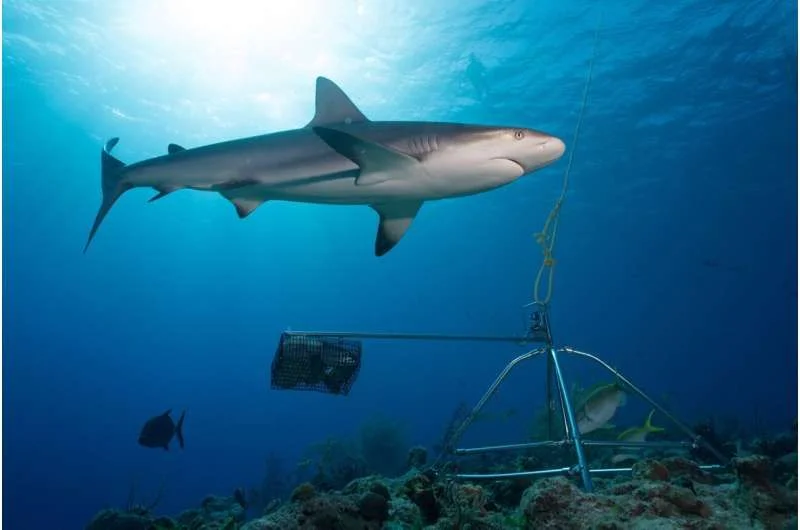
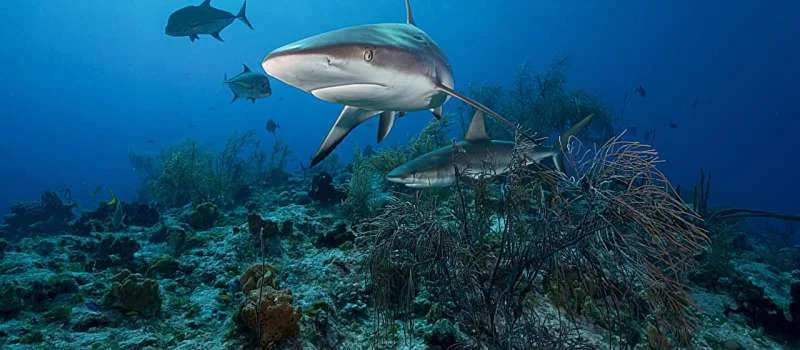
Recent research indicates that the distribution of certain shark species is strongly tied to the availability of prey, pushing for a more integrated strategy in marine protection efforts. Sharks, particularly species like the Caribbean reef shark, actively seek out areas with dense food sources. This preference, observed in studies conducted in the Bahamas, suggests that safeguarding prey populations is directly beneficial for shark conservation.
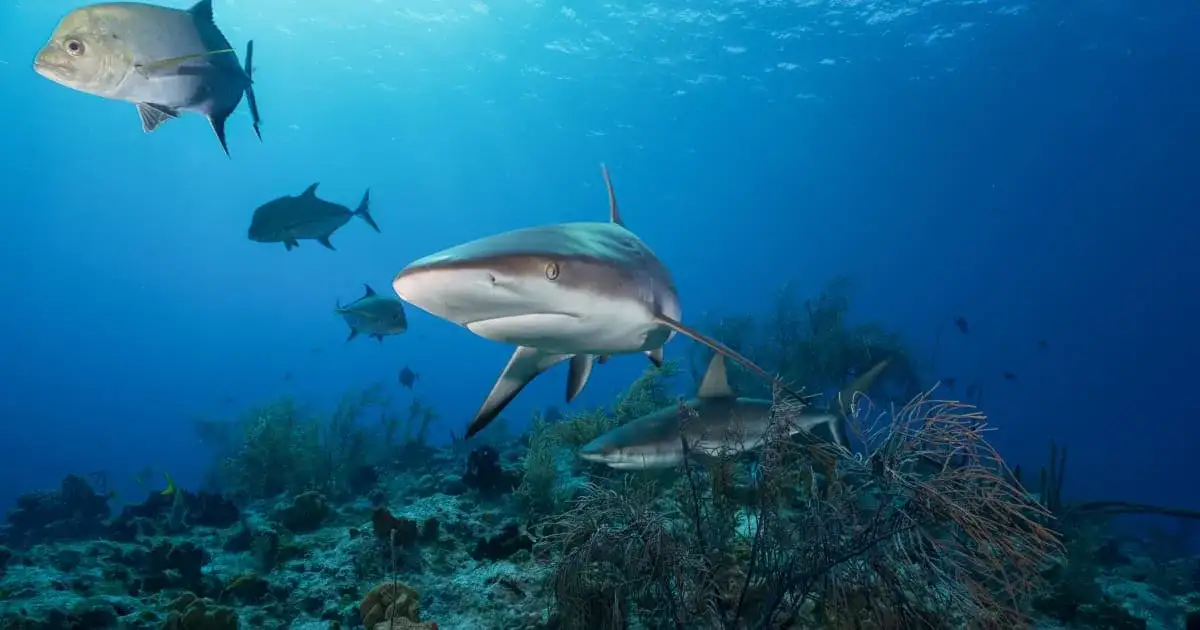
The findings challenge simpler conservation models, highlighting that sharks do not merely occupy any available habitat. Instead, they exhibit distinct preferences for locations teeming with food. This is further complicated by inter-species dynamics; larger shark species tend to favor larger reef areas with ample prey, and smaller sharks, like the Caribbean reef shark, appear to actively avoid these areas, likely to steer clear of potential predation. This avoidance behavior means that conservation plans must account for the complex spatial needs and predator-prey relationships within marine ecosystems.
Read More: Orangutan Mothers Plan Playdates for Babies in Borneo
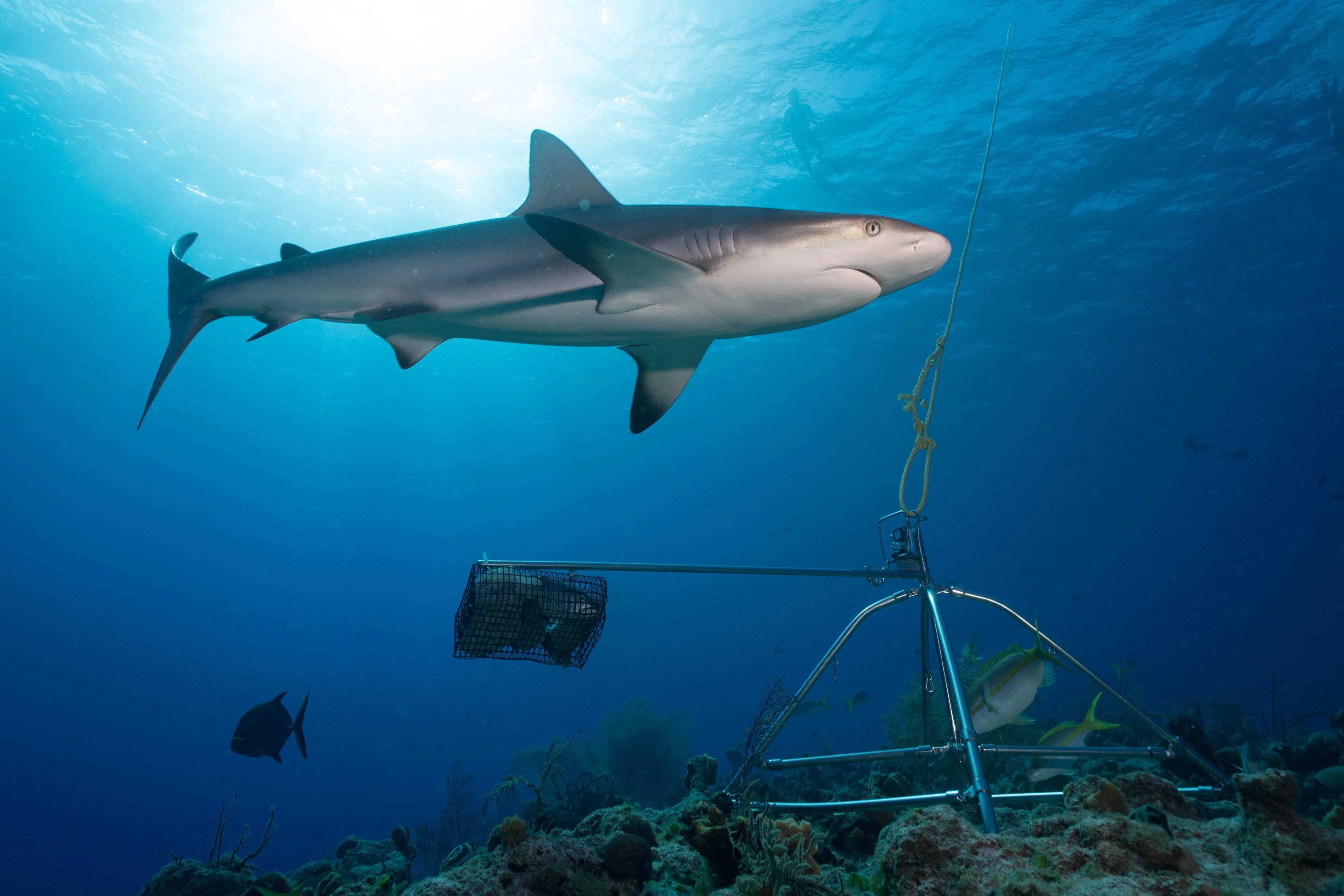
Researchers utilized statistical models to ascertain the influence of prey abundance versus other environmental factors on shark presence. The study, published in Animal Conservation, used underwater camera monitoring to track shark movements and feeding patterns. This approach allowed for the analysis of reef complexity, prey biomass, and shark distribution. The research points to reef complexity itself as a key element supporting both sustainable fisheries and shark populations.
A Broader Perspective on Marine Protection
The study, focusing on Caribbean reef sharks in the Bahamas, where fishing has been prohibited for some time, reveals a nuanced picture of shark behavior. These sharks are not indiscriminate foragers; they are discerning about where they spend their time, preferring sites where food is readily accessible.
This suggests a move away from isolated conservation zones towards a more holistic approach that considers the entire marine food web. The health of fish populations directly impacts the viability of shark populations, indicating that efforts to protect one must consider the other.
Read More: Tohorā Diet Study Boosted by New Zealand Beach Find
The research also notes that Caribbean reef sharks often frequent specific geological features, such as steep reef walls and deeper reef zones, further defining their habitat requirements. This detailed understanding of habitat preference and feeding strategy is crucial for developing effective conservation plans.
Contextualizing Shark Ecology
Sharks play a vital role in maintaining ocean health, influencing the feeding habits of other marine life and contributing to nutrient cycles. Their presence can regulate populations of algae-eating fish on coral reefs. Furthermore, the decomposition of larger shark carcasses on the ocean floor provides a significant nutrient input to deep-sea ecosystems. As highly mobile species, sharks facilitate nutrient redistribution across vast oceanic distances. They also contribute to the genetic strength of populations by a form of natural selection, promoting overall ecosystem health.
A prior study concerning the Fernando de Noronha Archipelago, identified as a shark hotspot, proposed expanding marine protected areas to encompass the full home range of resident sharks. This earlier work also underscored the impact of human activities, such as competition for prey and shared use of reefs, on shark populations. This highlights a recurring theme in shark conservation: the need to manage not just sharks, but also the broader environment and human interactions within it.
Read More: Japan Adds 800 Cameras To Track Bears After 5 Deaths This Year