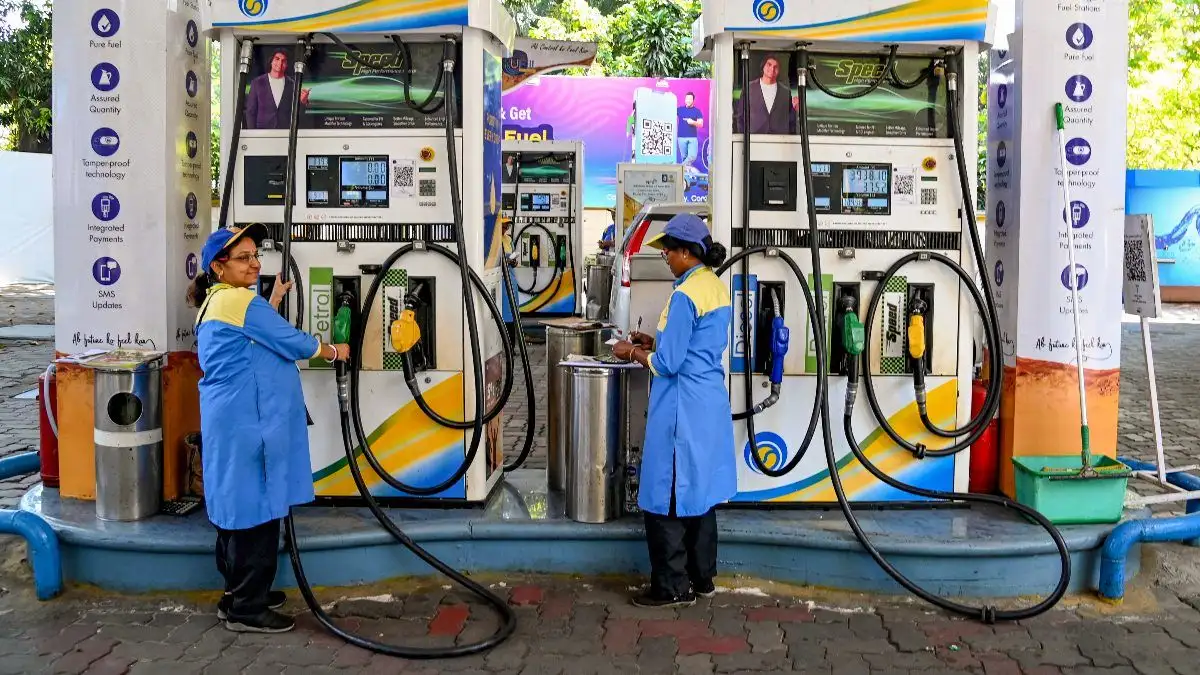
Bengaluru, Karnataka – May 17, 2026 – Retail prices for petrol and diesel have seen a substantial increase across Karnataka, with Bengaluru residents now facing a price tag of ₹106.71 per litre for petrol and ₹94.10 per litre for diesel. This latest adjustment, which took effect on May 15, 2026, marks an upward revision of approximately ₹3 per litre for both fuels nationwide, according to reports.
The immediate consequence has been widespread public discontent. Citizens have voiced significant concern over the escalating burden of transportation and the cumulative impact on daily expenses. This sentiment is amplified by observations of a substantial price disparity. Industry sources highlight a nearly ₹64 per litre difference between institutional diesel prices, reportedly standing at ₹155.28 per litre, and the retail price of ₹90.99 per litre at government-operated outlets. This anomaly has reportedly led institutional buyers to increasingly source diesel through retail channels.
Read More: Goldman Sachs predicts 15 million US jobs lost to AI by 2036
Political Reactions and Economic Factors
The fuel price hike has drawn sharp criticism from political figures. Chief Minister Siddaramaiah has labelled the increase an "anti-people decision," directly accusing the Union government, led by Prime Minister Narendra Modi, of "punishing the people for its own failures." He further attributed the price rise to the Centre's "failed foreign policy, poor economic management and handling of inflation."
Officials from oil marketing companies point to rising international crude oil prices as a primary driver for the adjustment. For several weeks, retail prices had remained relatively stable, despite a steady climb in global crude benchmarks. This period of stable pricing, occurring against a backdrop of increasing international costs, has now apparently concluded, with the accumulated pressure being passed on to consumers. The fluctuating value of the rupee has also been cited as a contributing factor to the price revisions.
Read More: New Bengaluru Green Line Metro Trains Arriving by August 2026
Price Variations and Future Outlook
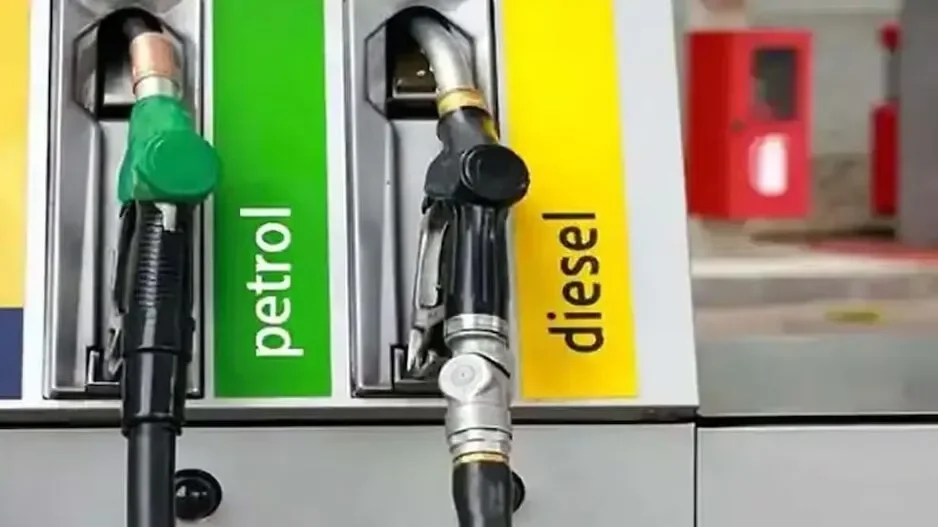
While the national revision affects prices across the country, specific rates can vary significantly between cities and states. This variation is attributed to state-level taxes and local levies, particularly the differing rates of Value Added Tax (VAT) applied by each state.
The immediate aftermath of the fuel price hike has raised concerns about a potential ripple effect on broader inflation and commodity prices in the coming days. The full extent of these impacts remains to be seen as the market adjusts to the new pricing structure.

/newsfirstprime/media/media_files/2026/02/18/green-line-metro-2026-02-18-14-46-47.jpg)