NATIONAL-LEVEL MEETINGS UNDERSCORE LONG-STANDING GRIEVANCES
A series of conventions and political developments highlight ongoing struggles and demands from tribal communities. In Kerala, tribal groups convened, articulating a clear set of demands aimed at rectifying perceived injustices. Key among these are calls to halt 'creamy layer' implementations within Scheduled Caste and Scheduled Tribe (SC/ST) classifications, and an urgent push to fill all backlog SC/ST vacancies. The groups also advocate for replicating reservation laws seen in Karnataka and a stricter enforcement of existing atrocity laws.
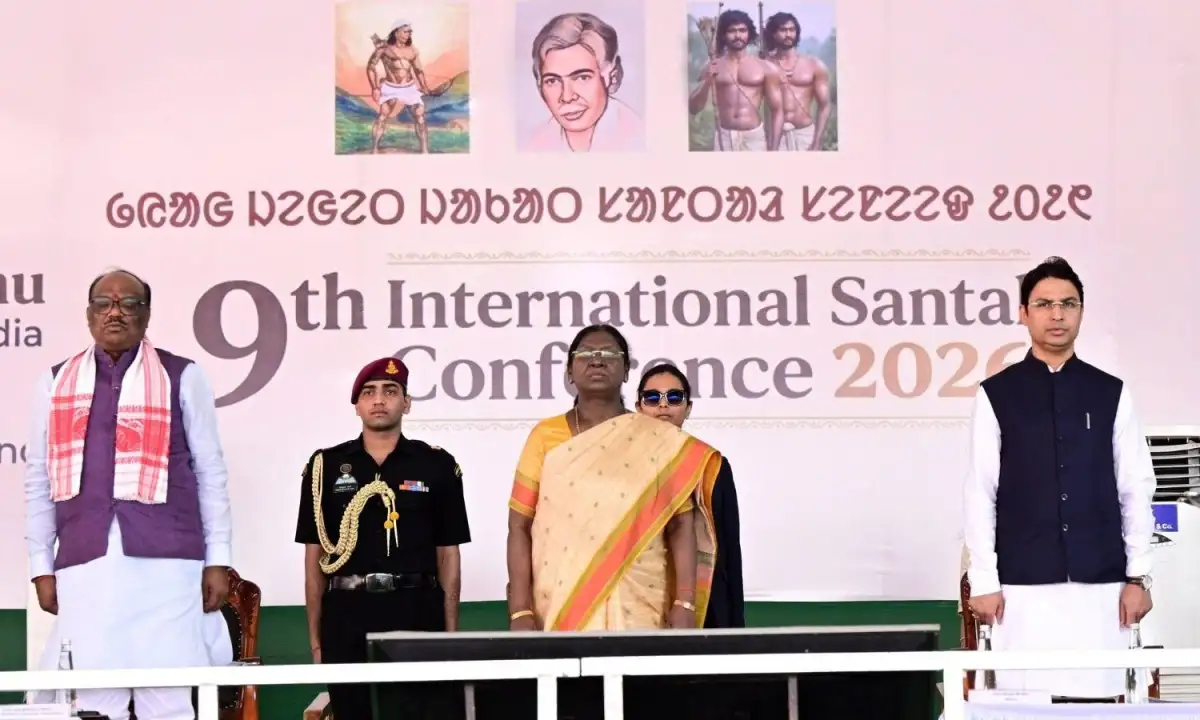
Further complicating the landscape, President Droupadi Murmu's visit to West Bengal has ignited a political firestorm. Her questioning of whether tribal communities in the state receive adequate government benefits has drawn sharp criticism from Chief Minister Mamata Banerjee, who accused the Bharatiya Janata Party (BJP) of using the visit for political gain and allegedly preparing the ground for President's Rule.
Read More: State Commission reviews Dalit issues in Chittoor, Andhra Pradesh
DIVERSE AGENDAS, SHARED CONCERNS
The convergence of these events points to a complex mosaic of issues impacting tribal populations.
Reservation Policy: Demands for enhanced reservation in both government jobs and the private sector are prominent. This includes ensuring representation for SC/ST candidates even among the top rankers in government recruitment.
Benefit Entitlement: A crucial point of contention involves preventing individuals who have "abandoned tribal heritage" from accessing SC/ST benefits. This signals a desire to safeguard these provisions for those deemed to be genuinely within the community.
Marginalized Protections: Specific provisions and special protections are being sought for the most marginalized within tribal groups.
Law Enforcement: Strict enforcement of laws pertaining to atrocities against SC/ST communities is a recurring theme, suggesting a perceived lack of effective implementation.
Educational Upliftment: Increased educational benefits and scholarships are also on the agenda, acknowledging the role of education in socio-economic advancement.
Meanwhile, in Nepal, the Federation of Tribal Tribes (Socialist) is slated to hold its second convention. This meeting is expected to address various proposals and discuss political and organizational reports, indicating an internal focus on strengthening the group's structure and strategy.
"President Droupadi Murmu's politically loaded remarks during a visit to North Bengal on Saturday (March 7) triggered a political controversy, sharpening the electoral contest over tribal voters in the state."
The controversy in West Bengal has seen accusations fly between the ruling Trinamool Congress (TMC) and the BJP. While the TMC defends its record and criticizes the President's perceived silence on issues in BJP-ruled states, the BJP, through figures like Darjeeling MP Raju Bista, has called for President's Rule, citing alleged failures in arrangements for the President's visit.
State forest minister Birbaha Hansda, herself a tribal, also defended the government, saying West Bengal had a long tradition of hospitality towards visiting dignitaries.
The political ramifications of President Murmu's statements are significant, particularly in an electoral context where tribal voters are a key demographic. This situation underscores the intersection of identity, governance, and political maneuvering in contemporary India.
Read More: India IVF Costs And Social Barriers Limit Access In April 2026