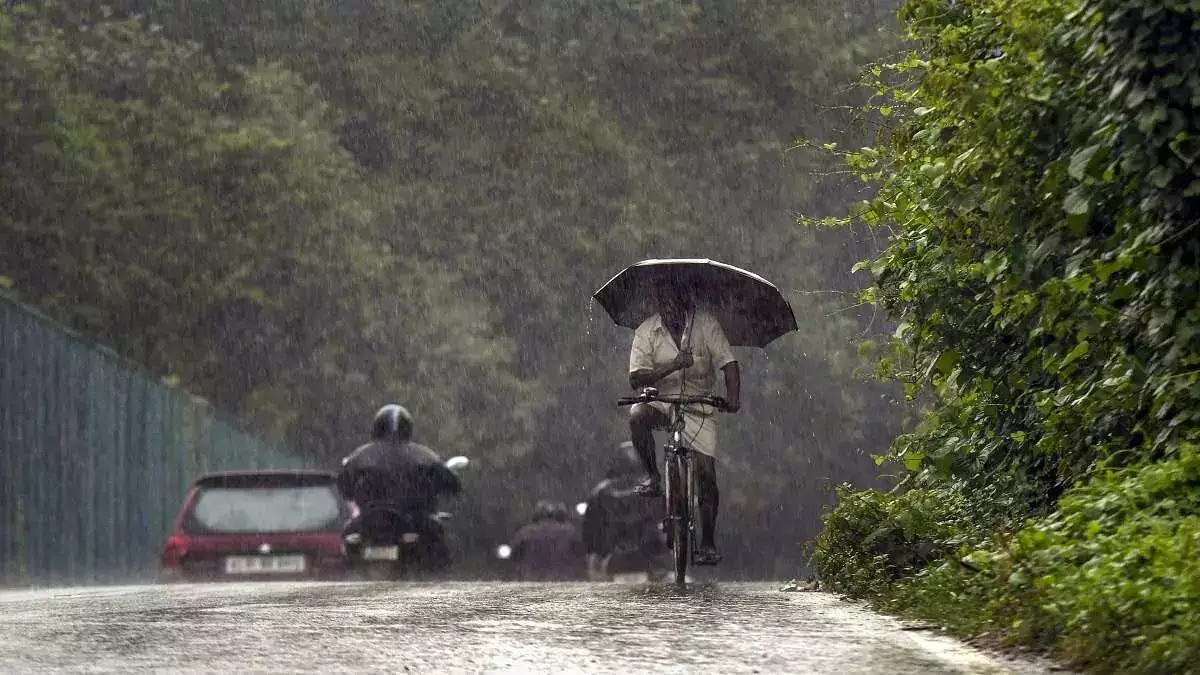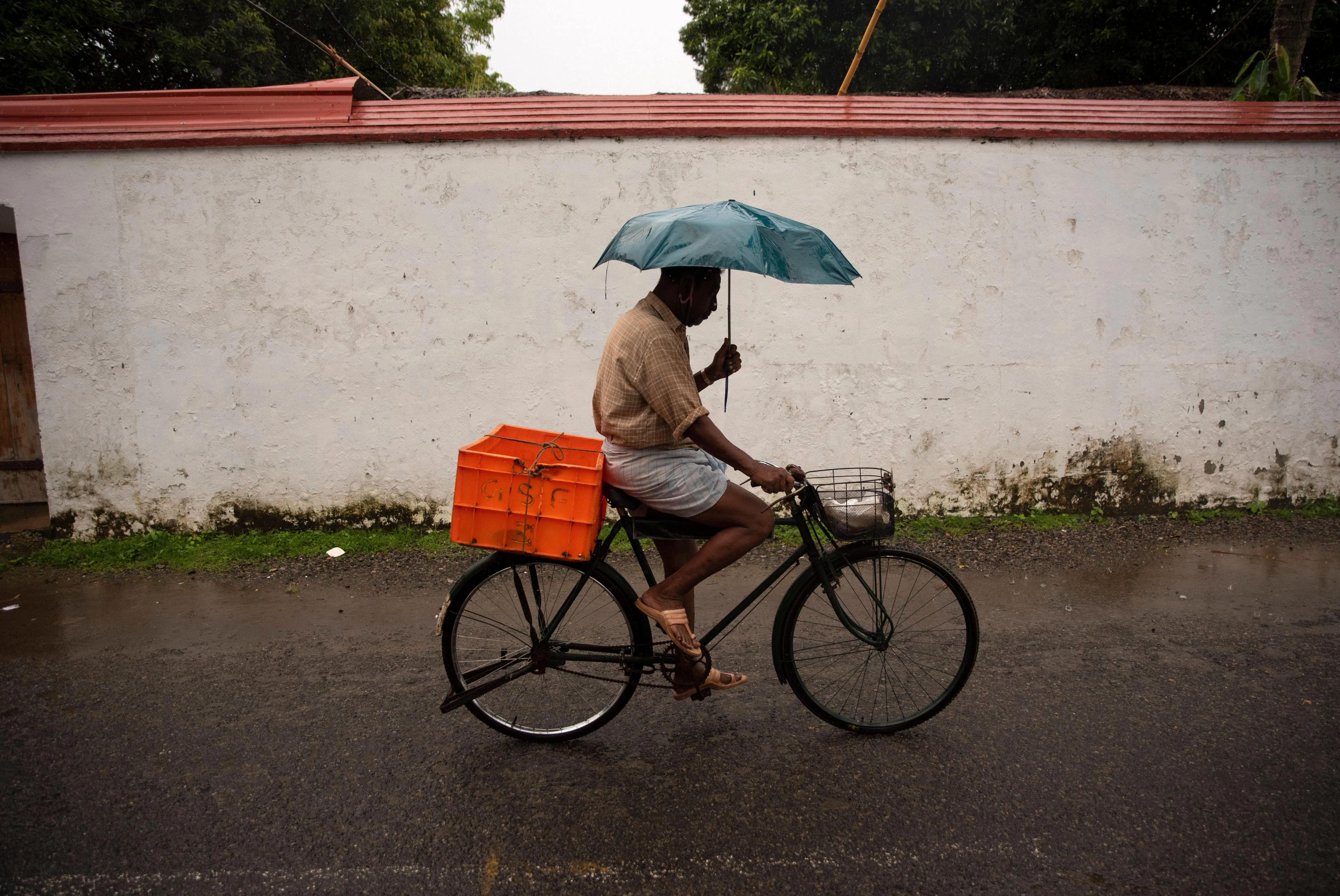
The southwest monsoon has officially touched down in Kerala, marking its arrival in India. This year's entry occurred on Thursday, approximately three days later than its usual June 1 date. The India Meteorological Department (IMD) has subsequently issued an orange alert for the state, signaling conditions conducive to very heavy rainfall.
The monsoon's delayed arrival, attributed in part to atmospheric conditions in the western Pacific and a low-pressure area near Lakshadweep, could have significant implications for India's agricultural sector, which heavily relies on timely rainfall.
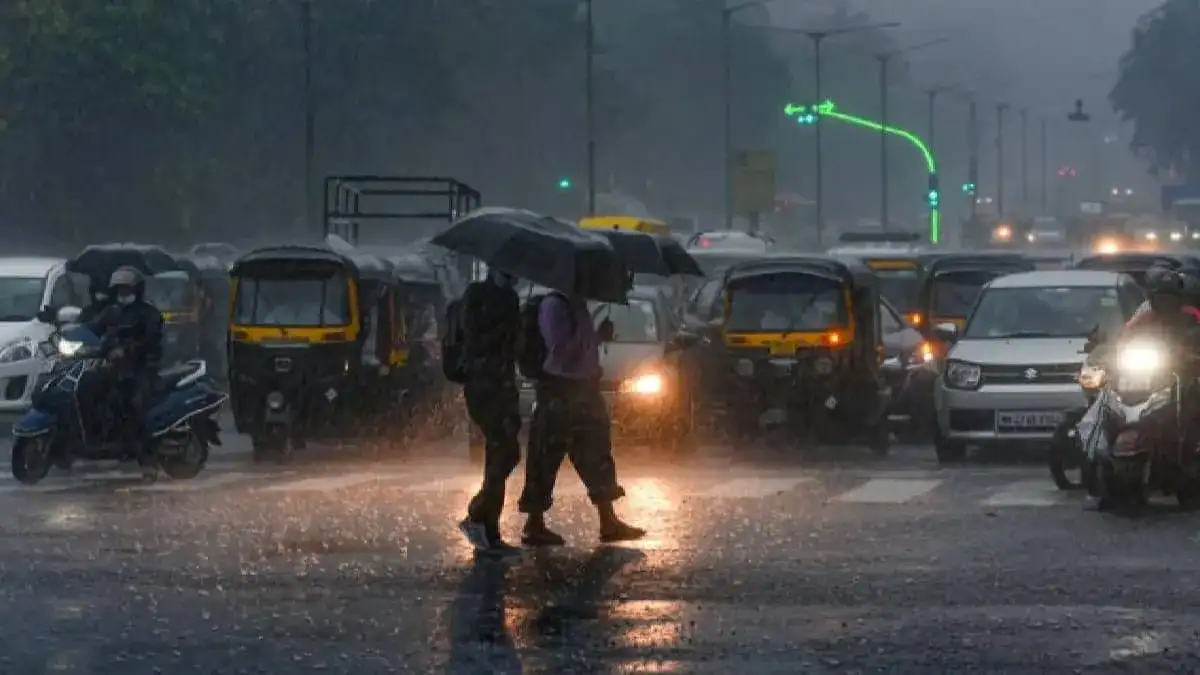
Intensified Rainfall and District-Specific Warnings
Following the monsoon's onset, rainfall has intensified in Kerala. The IMD has issued orange alerts, indicating an expectation of 11 cm to 20 cm of rain in a 24-hour period, for specific districts. These alerts have been varied across different dates:
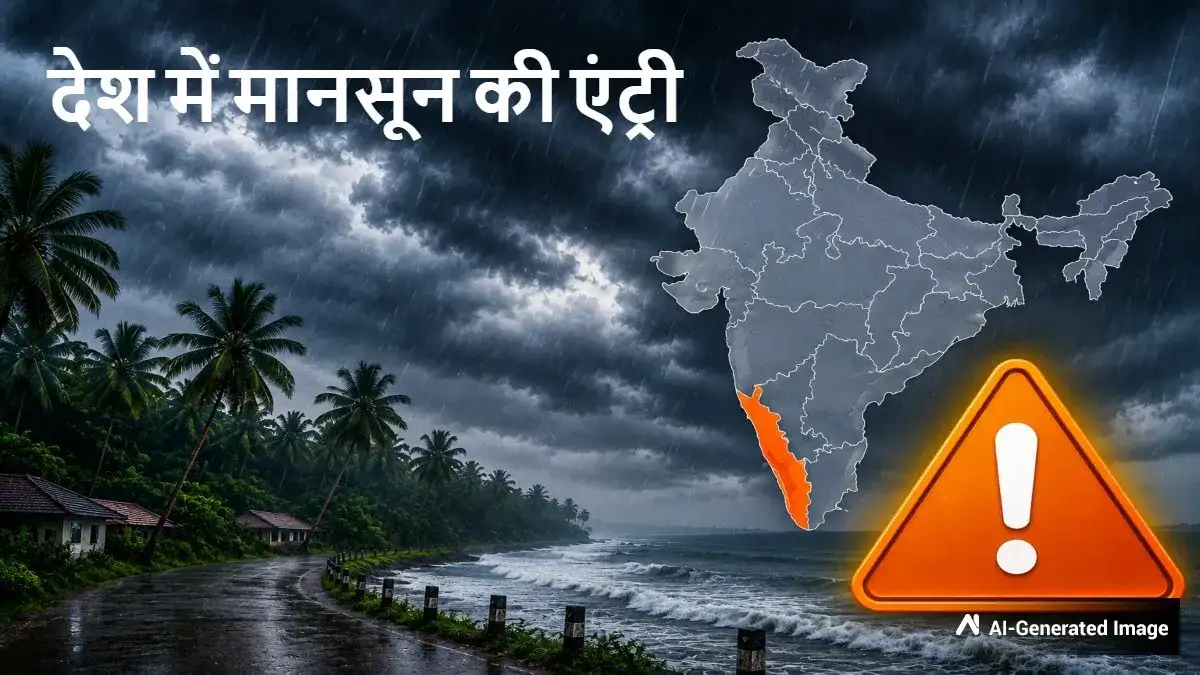
June 11, 2025: Ernakulam, Idukki, Thrissur, and Kasaragod were under orange alert, with yellow alerts (6 cm to 11 cm of rain) issued for eight other districts.
June 28, 2025: An orange alert was declared for Idukki, Malappuram, Wayanad, Kannur, Kozhikode, Kottayam, and Pathanamthitta.
Earlier, on May 23, 2025, an orange alert was already in place for several districts across Gujarat, Telangana, Tamil Nadu, Kerala, Madhya Pradesh, Odisha, Uttar Pradesh, and Himachal Pradesh, forecasting heavy rain accompanied by gusty winds, thunderstorms, and lightning.
Broader Monsoonal Advance and Potential Concerns
The IMD anticipates the monsoon's further advance into other regions over the next two to three days. Favourable conditions are noted for its spread into parts of the central Arabian Sea, entire Goa, Maharashtra, Andhra Pradesh, Karnataka, Tamil Nadu, and various parts of the Bay of Bengal and northeastern states.
Read More: Mumbai Red Alert July 2026 Causes School Closures and Train Delays
Concerns are also being raised about the potential impact of El Niño, which is predicted to develop with a 80% probability between June and August. This could correlate with weaker monsoons and higher temperatures in India. The current forecast suggests a moderate to strong El Niño event, persisting until at least November, which would exacerbate existing worries about a potentially weakened monsoon season.
Agricultural Significance
The monsoon's arrival is a critical event for India's economy. Approximately 51% of the country's arable land depends on rain, and the monsoon season contributes around 40% of the total agricultural output. A substantial portion of India's population, nearly half, relies on agriculture for their livelihood, making a robust monsoon vital for rural incomes and overall economic activity.
Background:The arrival of the monsoon is tracked closely each year due to its profound impact on India's predominantly agrarian economy. Normally, the monsoon covers most of the country by mid-July, originating in Kerala and progressing northwards. Scientists had previously cited a typhoon in the western Pacific Ocean drawing moisture away from the Arabian Sea and Bay of Bengal as a factor contributing to the delayed and initially weakened progress of the monsoon.
Read More: India IVF Costs And Social Barriers Limit Access In April 2026