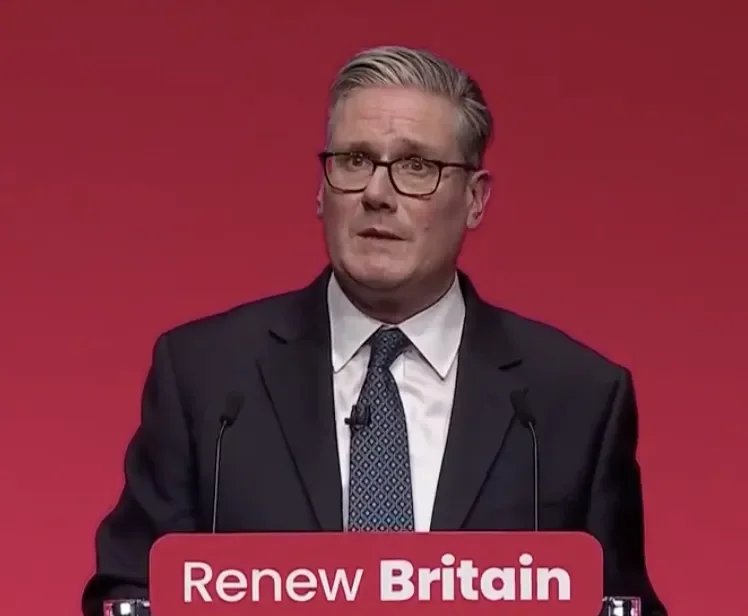
Sir Keir Starmer’s recent address, widely framed as a pivotal moment for his leadership, offered little in the way of definitive solutions, leaving many questioning its impact. Starmer’s responses to direct questions about his future leadership and potential policy shifts, particularly regarding EU market access, remained conspicuously ambiguous. He stated he would "fight any challenge to his leadership," but the substance of his speech was described by observers as vague, lacking the kind of significant revelation needed to quell internal dissent.
The speech, which some characterized as a desperate bid to avert a leadership crisis, was notable for its low attendance by parliamentary colleagues, with few cabinet members reportedly present. Instead, the audience comprised a segment of what has been described as "loyalists." This composition, coupled with the ambiguous nature of Starmer's pronouncements, has fueled speculation about his perceived grip on the party leadership.
Read More: US May Pause Gas Tax as Fuel Prices Hit $4.55 a Gallon
One of the key points of contention appears to be Starmer’s stance on "red lines," specifically concerning future membership of the EU's single market and customs union. His reluctance to offer a clear position on potentially altering these boundaries leaves a significant question mark hanging over Labour's future economic direction. This ambiguity contrasts with the perceived need to present a clear, transformative vision, akin to pulling a "Flemish giant-sized rabbit from his metaphorical hat," as one report put it, to truly win over skeptical factions within the party.
Background Whispers and Uncertain Futures
The context surrounding Starmer's speech points to significant internal pressures. Reports suggest that beyond the immediate aftermath of the speech, divisions within the Labour party may be deepening. The mention of "more than 50 Labour MPs" calling on the Prime Minister to quit, though its direct relevance to Starmer's immediate speech is unclear, highlights a general political climate of contention and internal dissent within the broader political landscape. Starmer’s own defensive posture, asserting he "won't walk away," seems to anticipate continued opposition and challenges from rivals. The underlying sentiment from some quarters appears to be one of skepticism regarding Starmer’s ability to connect with the broader populace, with one commentator noting a concern that "they don’t believe that we see their lives."
Read More: Wakefield Prison Killing: Rico Gedel Trial Starts