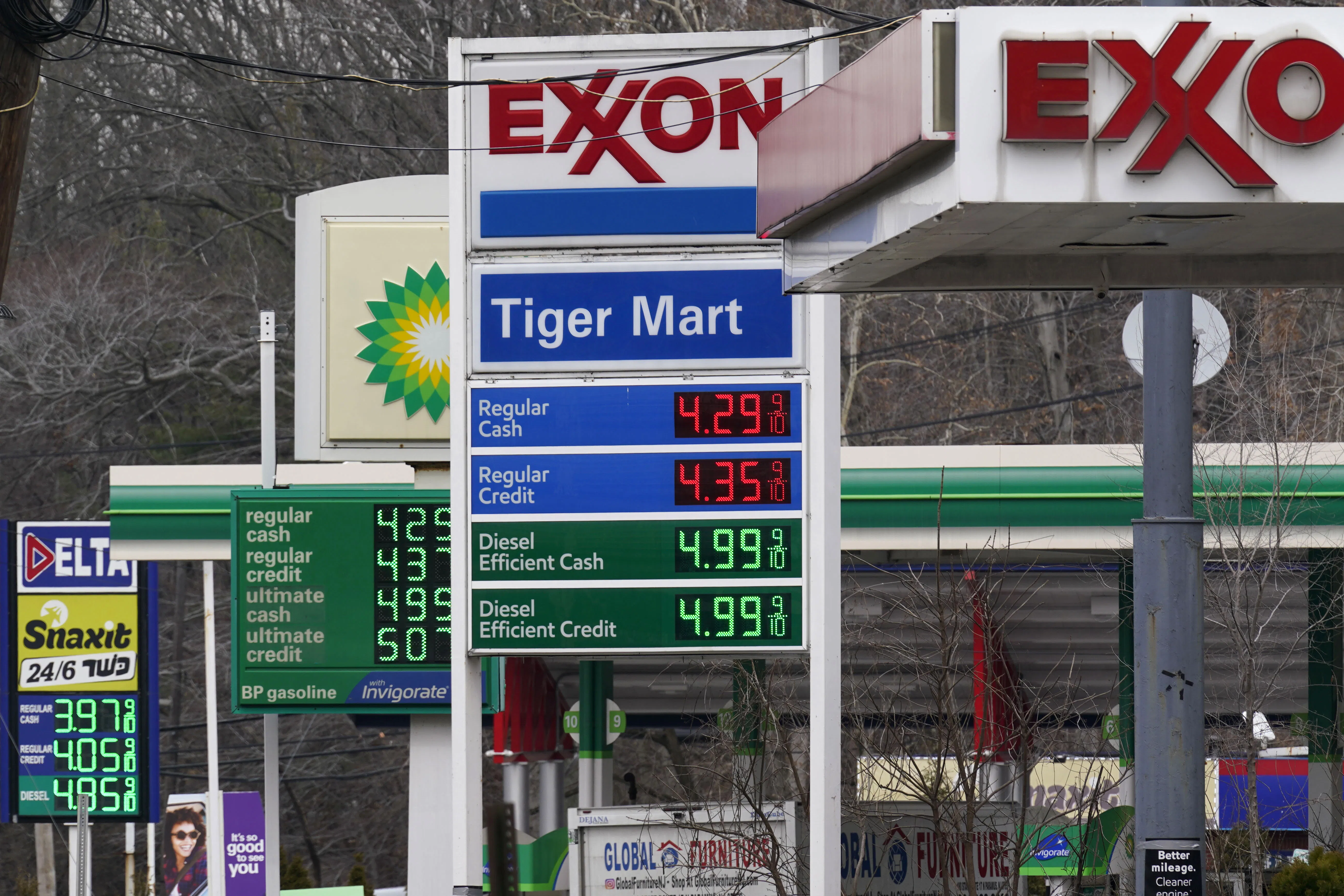
The Trump administration is open to the idea of suspending the federal gas tax, according to Energy Secretary Chris Wright. This statement comes as fuel prices continue to climb, with the national average reaching $4.55 a gallon last week, a significant increase since the conflict involving Iran intensified and disrupted access to the Strait of Hormuz.
Wright, speaking on "Meet the Press," indicated that the administration is "open to all ideas" aimed at reducing costs for consumers at the pump. The federal tax currently stands at approximately 18 cents per gallon for gasoline and 24 cents per gallon for diesel fuel. While not a definitive commitment, this openness to suspending the tax suggests a willingness to explore measures to counter rising energy costs, which have seen a more than 50% jump since the start of the Iran conflict.
Read More: US-Iran Ceasefire Talks Fail, Oil Prices Rise
Administration Weighs Options
The comments from Secretary Wright suggest a shift, or at least an exploration, of policy levers beyond direct intervention in energy markets. The administration has reportedly been in communication with refiners, encouraging adjustments to seasonal maintenance schedules. However, the prospect of a gas tax suspension signals a potential willingness to directly impact consumer costs through fiscal policy.
Some analysts link the climbing ticket prices for airlines to increasing fuel costs, further exacerbated by the situation in the Strait of Hormuz. Wright also posited that a resolution to the standoff with Iran would be key to stabilizing energy markets in the long term.
Congressional Proposals and State Actions
The idea of a gas tax holiday is not new to the current political landscape. Several Democratic lawmakers have previously introduced legislation proposing a temporary suspension of the federal gas tax. Some states have already moved to offer relief to drivers, with Georgia, Indiana, and Utah having already paused their state-level gas taxes. A bill in Congress to suspend the federal gas tax until October was introduced in March.
Read More: India PM asks people to save fuel, travel less
It is important to note that the president cannot unilaterally suspend the federal tax; such a move would require legislative action. The potential impact of such a suspension, particularly the revenue implications for infrastructure funding, remains a point of discussion.
Background: The Iran Conflict and Energy Markets
The surge in fuel prices is closely tied to the ongoing conflict involving Iran and the ensuing disruptions at the Strait of Hormuz, a critical chokepoint for global oil shipments. While the United States has explored operations aimed at ensuring passage through the waterway, tensions persist. Experts suggest that while measures like blockading Iranian ports could eventually affect oil revenue, Iran could potentially withstand such pressure for a considerable period. This protracted instability in a key energy-producing region directly impacts global supply and, consequently, prices at the pump.