ONLINE CONTENT POLICIES DRAW FIRE FROM U.S. OFFICIALS
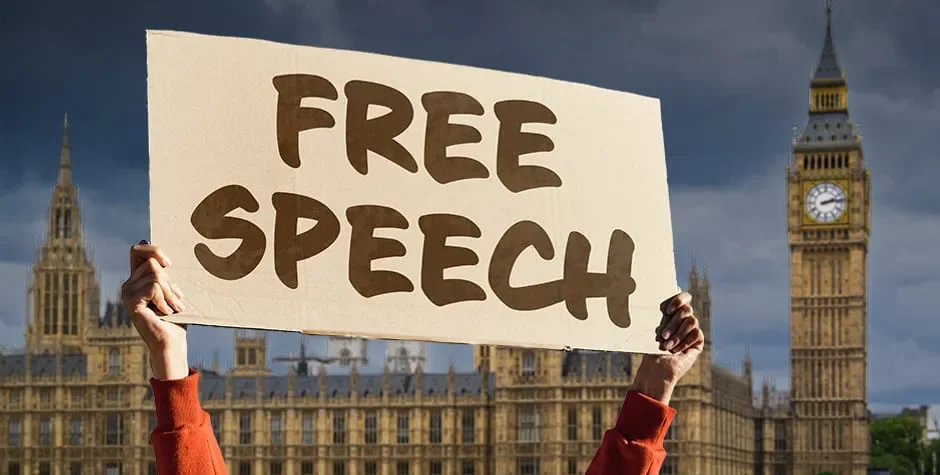
Recent legislative shifts in Britain, ostensibly aimed at online content regulation, have ignited a significant row with American political figures and advocacy groups, who contend the new measures infringe upon fundamental speech liberties and may even target specific ideological viewpoints. Vice President J.D. Vance has been a vocal critic, aligning with organizations like the American Center for Law and Justice (ACLJ), which argue that the United Kingdom's approach to speech, particularly concerning conservative and religious expression, sets a worrying precedent that could affect Americans traveling abroad.
US-based tech companies, while largely stating compliance, are also adjusting their platforms. Discord, for instance, has implemented stricter default settings for its UK users, treating them as minors with extensive content filtering unless adult age is verified. This move, coupled with reports of individuals facing legal action for their beliefs, has amplified concerns about the scope and application of these new British laws.
Read More: Keir Starmer faces Labour party anger after weak speech
RELIGIOUS EXPRESSION AND THE 'BUFFER ZONE' DEBATE
Further fueling the controversy are incidents highlighting the practical application of British laws. Isabel Vaughan-Spruce, a charitable volunteer, was reportedly confronted by police and found guilty in court for violating a 'buffer zone' near an abortion clinic. Witness accounts suggest her solitary, silent prayer was deemed an offense, with authorities allegedly acting based on her known pro-life beliefs. This case, cited by Vice President Vance, has been framed by critics as an example of prosecuting "thought-crimes" and specifically targeting religious Britons. The Catholic Herald reported on this incident, emphasizing the perceived suppression of individuals based on their convictions.
CONSERVATIVE SPEECH UNDER SCRUTINY
The ACLJ has been particularly strident in its warnings, publishing advisories that highlight what they describe as a pattern of restricted speech rights in the UK. They assert that conservative speech is specifically being targeted, citing court precedents that uphold convictions for religious criticism and political discourse that would typically be protected under the U.S. First Amendment. This raises anxieties for Americans traveling to the UK, who may now face arrest for online activities or expressions of belief that are commonplace domestically. The organization also points to European court rulings as consistently supporting such speech restrictions, suggesting a broader continental trend.
Read More: Sweden Wants Stronger Russia Sanctions, Not Peace Talks Now
BROADER IMPLICATIONS AND CORPORATE RESPONSES
While the specifics of the British law are complex, the backlash suggests a fundamental divergence in how speech and online conduct are perceived. U.S. politicians have voiced opposition, with some suggesting these regulations could serve as a model for future policies elsewhere, hence the intensity of the current debate. The stated intention behind the legislation, often framed around combating hate speech and protecting vulnerable users, is being overshadowed by accusations of overreach and ideological bias. The extent to which these international disputes will influence legislative actions or diplomatic relations remains to be seen.