Formula 1's governing bodies and teams are convening this week to deliberate potential adjustments to the sport's 2026 technical regulations. These discussions, sparked by observed performance characteristics and driver feedback in the opening races, focus on the intricate balance of energy management within the new hybrid power units.
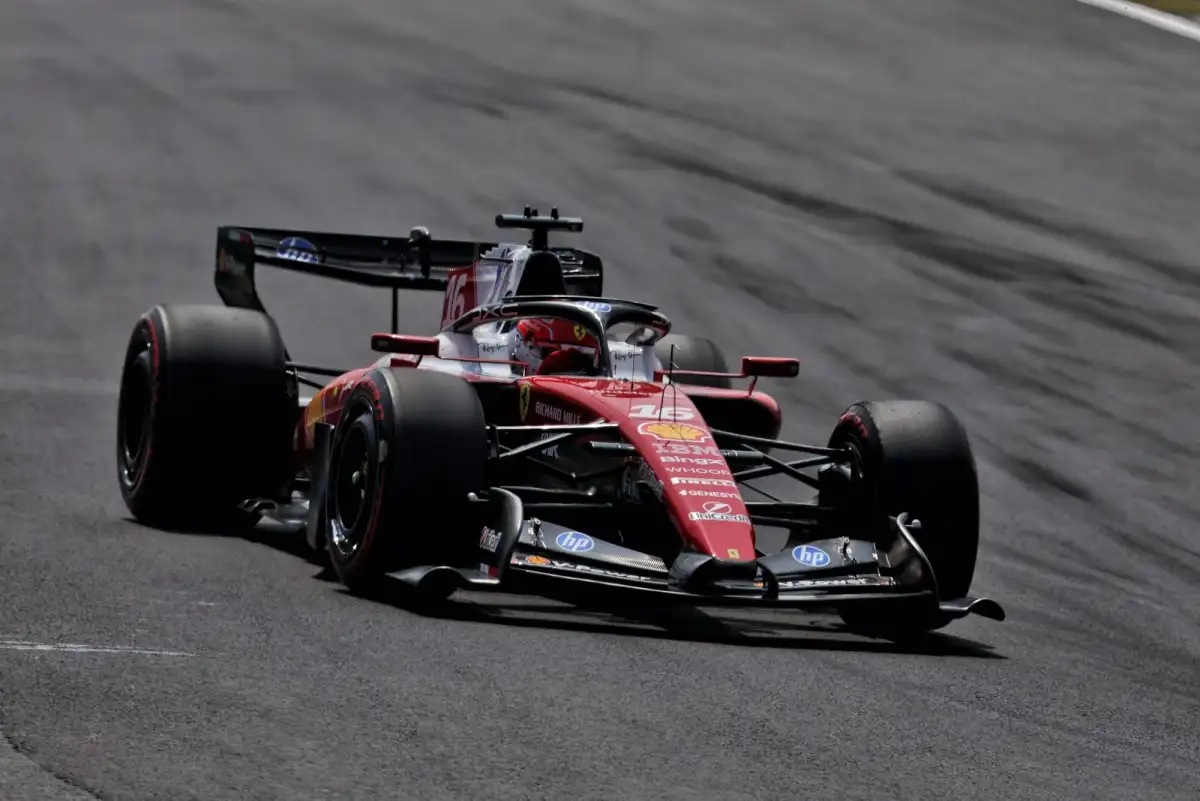
The core of the contention lies in the 50-50 split between combustion and electric power, a foundational element of the 2026 rules. This architecture necessitates significant "lift and coast" maneuvers by drivers to harvest battery energy, a practice criticized for its artificiality and impact on racing dynamics.
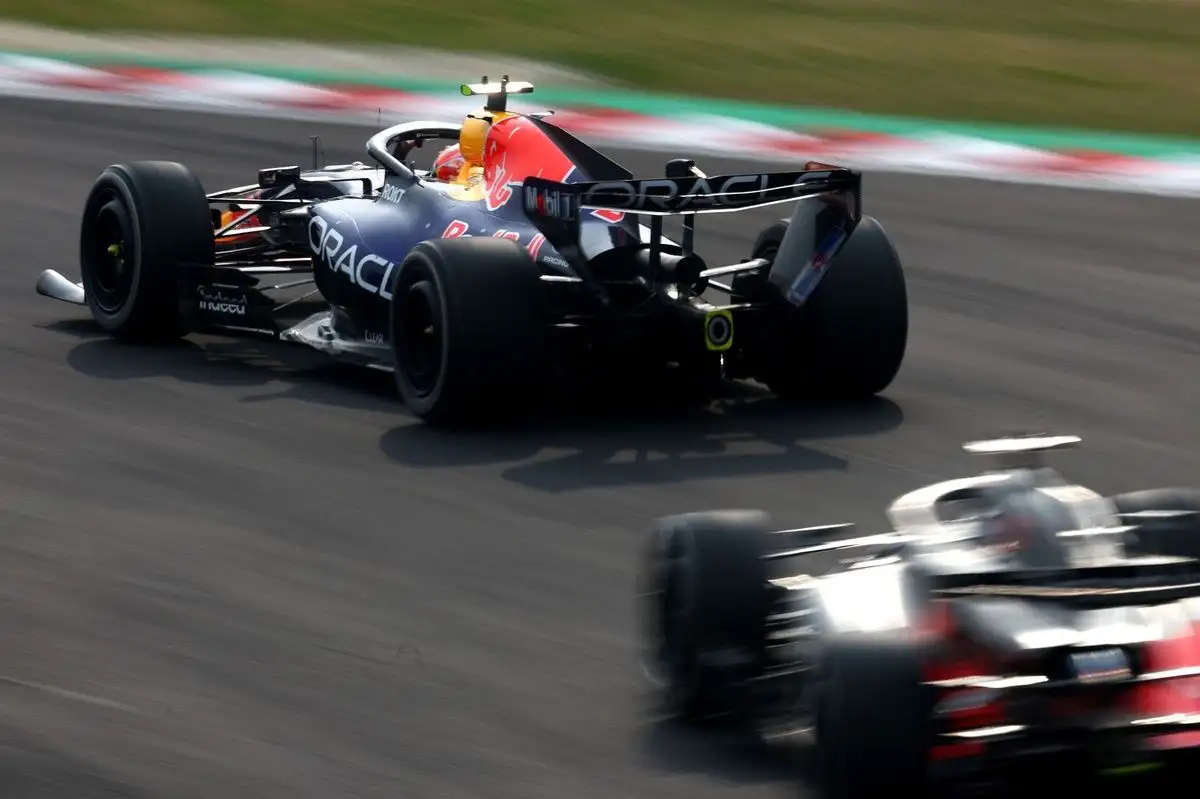
Energy Harvesting and Driver Concerns
Meetings, commencing Thursday, are set to examine proposals aimed at refining how cars manage and deploy electrical energy. An increase in the rate at which drivers can "super clip"—harvesting energy while still on full throttle—is a key consideration. Current limitations, which dictate a gradual power ramp-down for energy recovery, are seen by some as stifling performance, particularly in qualifying. This energy management strategy is a direct consequence of the 2026 rules' emphasis on electrical power.
Read More: Christian Horner to Attend 2026 British Grand Prix
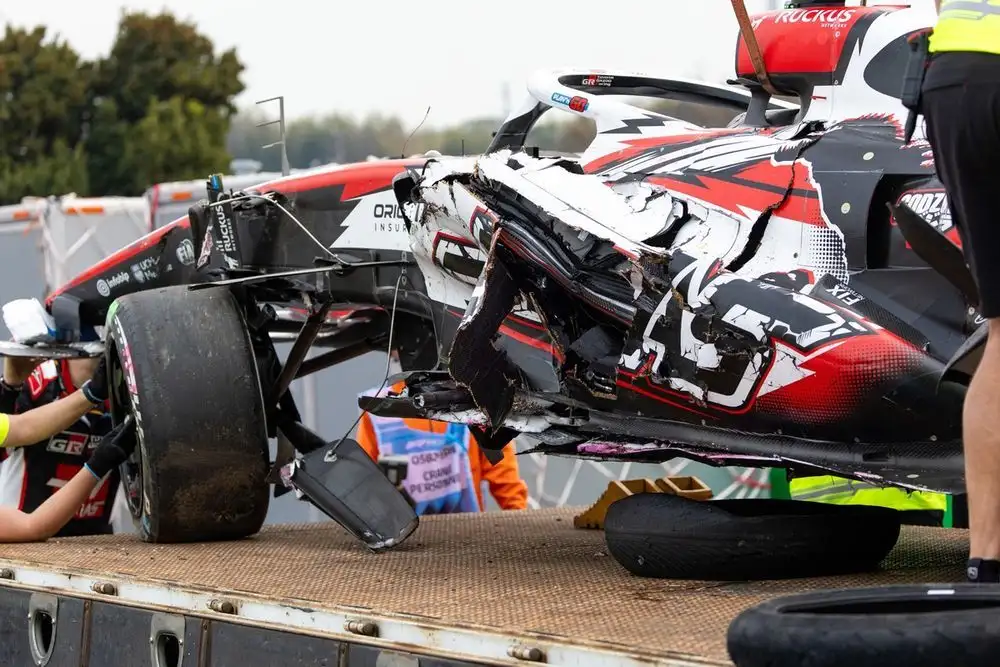
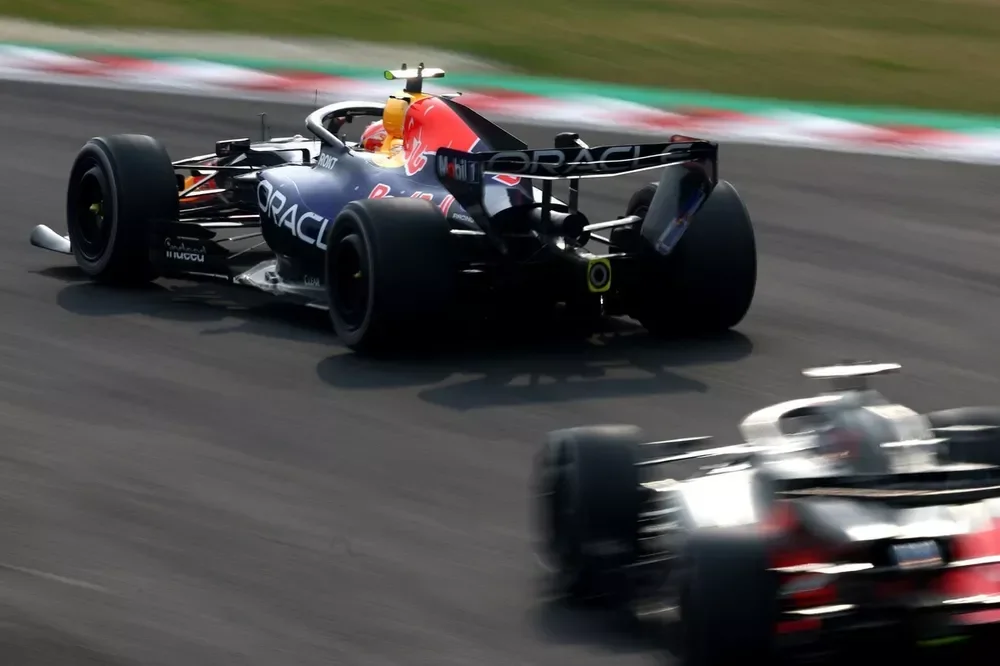
The current rules have resulted in cars that are, by design, "energy starved," leading to a reliance on lifting and coasting through sections of tracks that could otherwise be taken at higher speeds. This has, in turn, influenced the nature of overtakes, with debates arising about the "artificiality" of passing opportunities that depend on power unit charge levels rather than outright performance.
Safety and Racing Spectacle Under Scrutiny
Beyond performance metrics, the rule adjustments are also being examined for their implications on safety. Significant speed differentials can emerge between cars deploying energy and those recovering it, raising concerns about potential hazards. The visual spectacle of cars frequently lifting and coasting, even on qualifying laps, has drawn criticism from various quarters, including some drivers who feel it detracts from the raw performance expected of Formula 1 machinery.
"It should be back and forth, back and forth. It’s the best form of racing." - Unnamed source quoted by PlanetF1.com, reflecting a sentiment that the current rules do not fully achieve this ideal.
While some stakeholders suggest fan engagement with the current racing remains high, the upcoming meetings provide a formal platform to address these burgeoning critiques. The FIA retains the authority to implement safety-related changes unilaterally should consensus among teams falter.
Read More: George Russell Struggles: 43 Points Behind Teammate Antonelli
The Road to Regulation Tweaks
The series of meetings includes sessions of the 'Technical Advisory Committee,' comprising representatives from all 11 teams, engine manufacturers, the FIA, and Formula 1 organization. These gatherings are designed to allow a thorough review of the opening rounds of the season, providing empirical data to inform any proposed modifications. A subsequent vote on potential changes is anticipated later in the month.
While significant overhauls are not broadly expected, the focus remains on nuanced adjustments to the energy management aspects of the 2026 regulations.
Background
The current technical regulations for the 2026 season represent one of the most substantial shifts in Formula 1 history. The revised rules, agreed upon in late 2025, mandated a new power unit architecture with a 50-50 split between internal combustion and electrical power, alongside aerodynamic changes. The intention was to enhance efficiency and relevance to the automotive industry, but the practical application on track has prompted ongoing discussion and evaluation. Past regulatory cycles have frequently seen teams and drivers adjust to new paradigms, often leading to periods of intense debate and subsequent refinements.
Read More: McLaren's 1,000th F1 Race: Is the Number Correct?