

Focus on Governance and Public Welfare Amidst Political Undercurrents
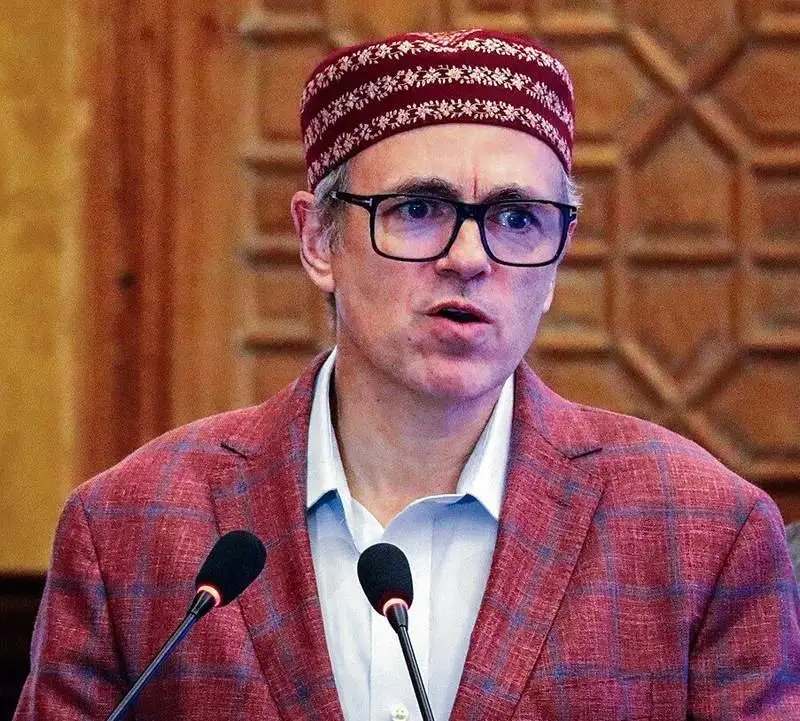
Jammu and Kashmir Chief Minister Omar Abdullah has called a meeting of the ruling National Conference (NC) legislators, alongside four independent MLAs who support the administration, for June 3rd. The stated purpose of this gathering, as communicated in official invitations, is to "discuss and deliberate upon the matters of collective importance and issues concerning public welfare." The meeting is scheduled to convene at the Chief Minister's Gupkar residence.
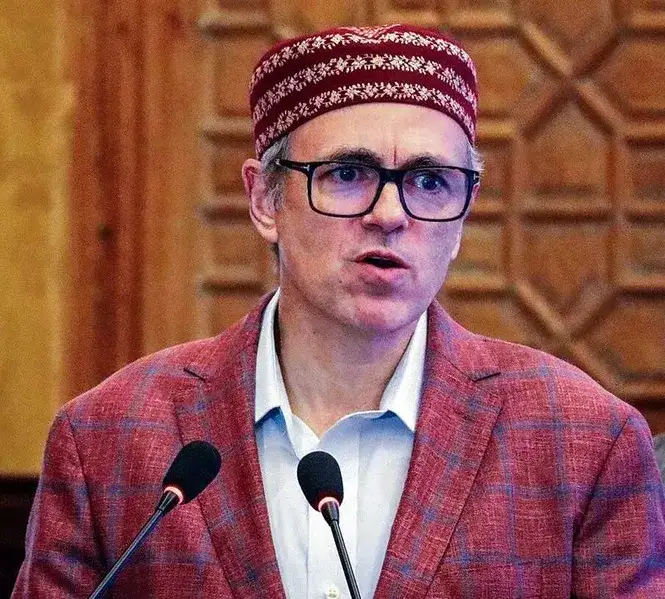
While the invitation list includes key government allies, notable by its absence is an explicit call to the six Congress MLAs, who also reportedly lend support to the NC-led government. This selective invitation fuels speculation about the broader political dynamics at play within the ruling coalition. An NC MLA, speaking anonymously, indicated the meeting would address "current issues that Jammu and Kashmir faces," a phrase open to varied interpretations in the region's complex political landscape.
Read More: Taiwan Holds Nantou County Drills to Prepare for State Collapse
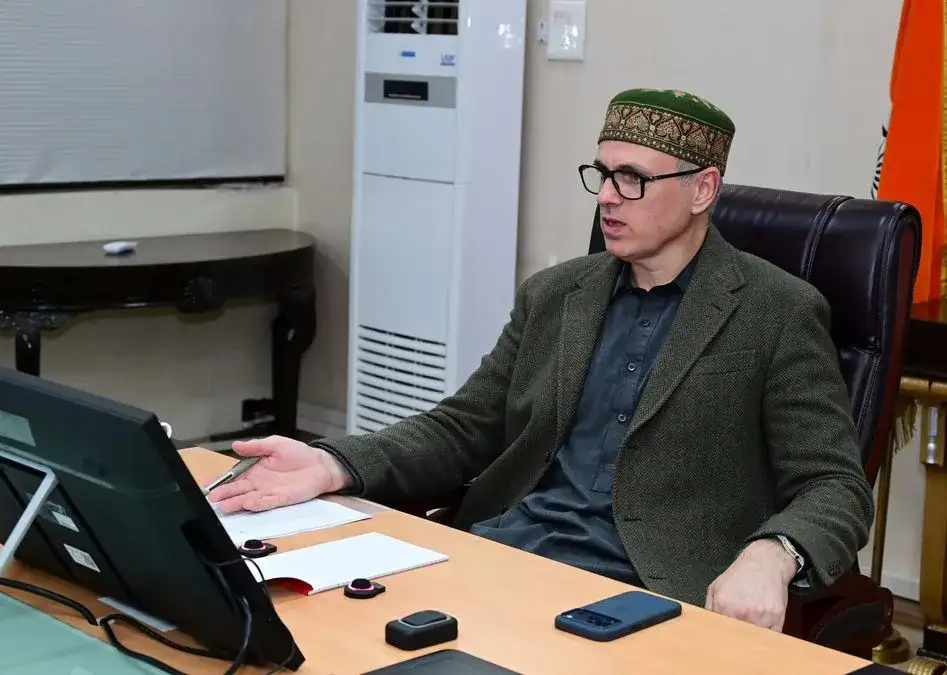
The convergence of an official review of governance and public welfare with a pointed exclusion of specific supporting MLAs suggests an underlying attempt to consolidate power or address internal friction before potential challenges arise.

Speculation and Political Maneuvering
The timing of the meeting, following hints by Abdullah of a "major political statement after Eid," has amplified speculation about its agenda. One political commentator, identified as Mr. Sharma, has publicly asserted that the "Omar Abdullah-led government will not complete its term and can fall anytime," adding another layer of unease to the political atmosphere. While the Chief Minister has reportedly dismissed such speculation, the deliberate exclusion of the Congress MLAs from this particular gathering provides fertile ground for these theories.
Background
This assembly occurs against a backdrop of ongoing political complexities in Jammu and Kashmir. The National Conference, as the dominant party in the coalition, frequently convenes meetings to assess governance and chart policy directions. However, the specific composition of this June 3rd meeting, and the accompanying political rhetoric, elevate its significance beyond a routine administrative review. Discussions are expected to touch upon the implementation of government programs and identify any "gaps in execution," as suggested by reports quoting party sources. The ultimate aim, according to these accounts, is to ensure the government "will work for all sections, regardless of political choices."






