NEW DELHI – April 22, 2026 – The first anniversary of the deadly Pahalgam terror attack, which claimed 26 lives on this day last year, is marked by solemn commemorations across Jammu and Kashmir and official pronouncements of unwavering resolve against terrorism. While security measures have been visibly intensified across the region, and tourism shows signs of revival, the lingering trauma for survivors and the persistent scars on the community remain.
The attack, carried out by Pakistan-backed terrorists associated with Lashkar-e-Taiba, specifically targeted civilians, reportedly after identifying them based on religious affiliation. In the aftermath, Indian security forces launched significant counter-operations. Operation Mahadev was initiated to track down perpetrators, culminating in the neutralization of three terrorists on July 28 of the previous year. Concurrently, Operation Sindoor, a retaliatory military action, targeted terror infrastructure in Pakistan and Pakistan-occupied Kashmir, leading to Pakistani military overtures to cease hostilities.
Read More: Damascus Cafe Bomb Kills 9, Wounds 20

A Landscape of Remembrance and Vigilance
Pahalgam, once a bustling tourist hub, now bears the quiet weight of memory. A memorial has been erected in the area to honour the victims, serving as a somber reminder of the event. Security has been significantly bolstered, with the establishment of 43 Temporary Operating Bases (TOBs) in the higher reaches of the Pir Panjal range, housing personnel from the CRPF and Rashtriya Rifles.
Local authorities have implemented a QR code-based identification system for tourism service providers. This initiative aims to enhance tourist safety by ensuring only verified and registered individuals operate within the sector, a move hailed by service providers as a means to restore visitor confidence.

Official Statements and Unfinished Narratives
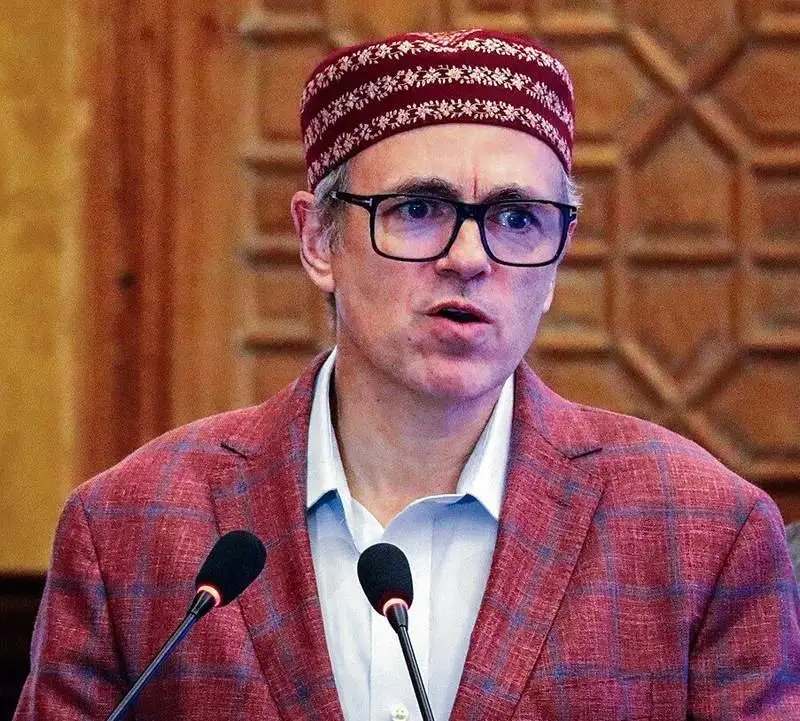
Political leaders, including Prime Minister Narendra Modi, Union Home Minister Amit Shah, J&K Lieutenant Governor Manoj Sinha, and Chief Minister Omar Abdullah, have paid tributes to the victims, reiterating a stance of "zero tolerance" and "never bowing to terror." These pronouncements emphasize national unity in grief and resolve.
However, beyond official condemnations and displays of strength, the human cost persists. Reports indicate that while tourism is recovering, survivors continue to grapple with profound grief and the indelible impact of the attack. Questions regarding accountability and foreign policy implications were also raised by figures like Congress leader Jairam Ramesh.

Underlying Tensions and Enduring Scars
The attack, detailed in various accounts as a "cowardly act," exposed vulnerabilities and necessitated a "radical security shift" in J&K. The operational realities, including the challenges of human intelligence in dense terrains, continue to inform security strategies. Despite heightened vigilance and intensified counter-terror operations, concerns persist regarding infiltration attempts along the International Border. The attack is also cited as a factor that renewed India-Pakistan tensions and influenced regional geopolitical dynamics.
Read More: Bondi Attack: Premier Admits "Giant Intelligence Failure" After 15 Deaths
The violence in Pahalgam has left deep scars, underscoring the ongoing struggle for peace and stability in the region, even as life, and the economy, attempt to find a semblance of normalcy.