In 1984, Reverend Jesse Jackson's address at the Democratic National Convention, known as the "Rainbow Coalition" speech, became a significant moment. The speech aimed to unite a diverse group of voters under a common political banner. While Jackson's presidential campaign did not secure the nomination, his oratory at the convention is widely viewed as having reshaped the Democratic Party's platform and broadened its appeal to various demographic groups.
A Pivotal Moment for the Democratic Party's Base
Jackson's 1984 speech arrived at a time when the Democratic Party sought to broaden its appeal and heal internal divisions following a period of political shifts. As an African American candidate making a significant bid for the presidency, Jackson presented himself as a voice for the marginalized and overlooked, advocating for policies that he believed would benefit a wide array of Americans, not just a select few. The core of his message centered on inclusivity and a call for a more just society, which resonated with many within and outside the traditional Democratic base.
Read More: US 250th Anniversary on July 7, 2026, sees 20% not celebrating
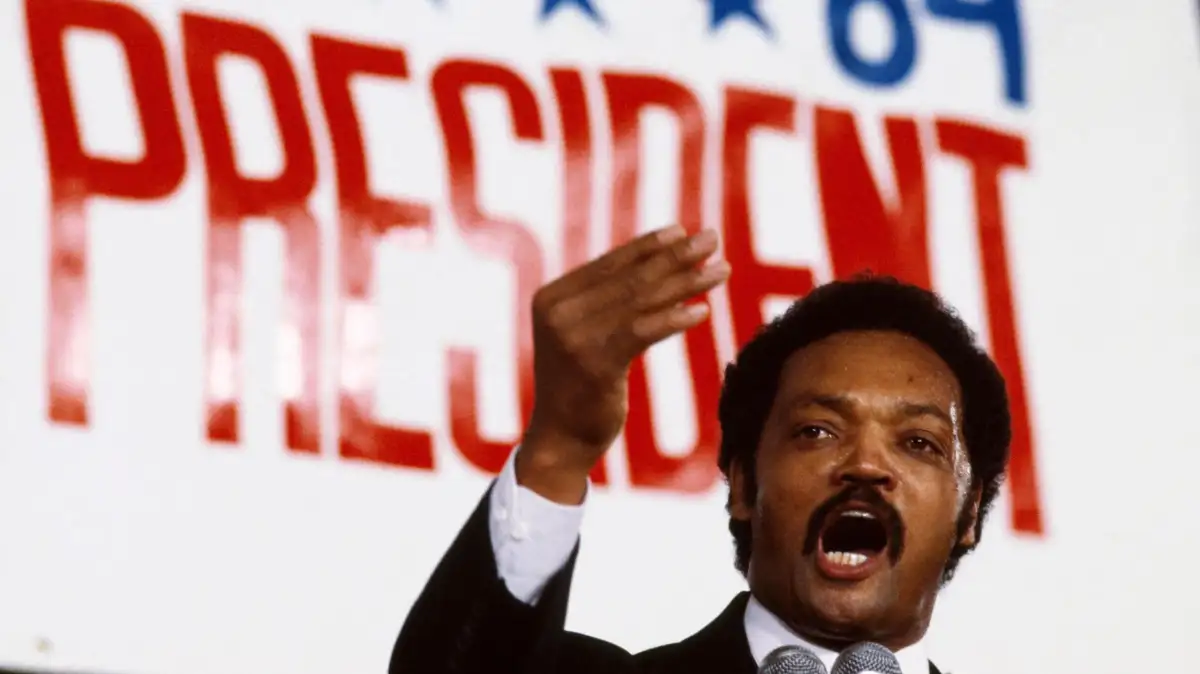
The "Rainbow Coalition" speech by Jesse Jackson in 1984 at the Democratic National Convention aimed to unify diverse groups under the Democratic Party's banner and advocate for progressive policies.
Context: The 1984 Election and Jackson's Campaign
The 1984 Democratic National Convention provided a national stage for Jesse Jackson's presidential aspirations. Having run in a competitive primary, Jackson's presence at the convention podium as a leading contender was historic, marking the first time an African American man addressed a major party convention as a presidential candidate. His campaign and subsequent speech were viewed as an effort to not only challenge the political establishment but also to redefine the Democratic Party's identity and constituency.
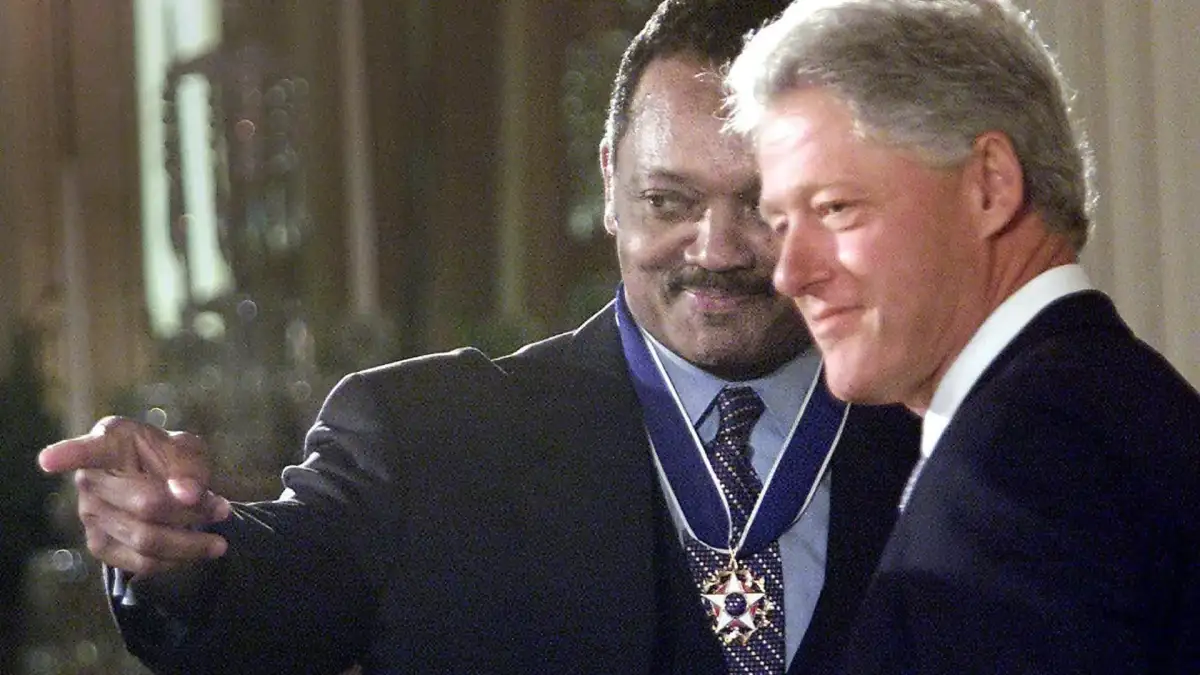
Jackson's campaign ultimately did not win him the Democratic nomination.
Despite this, the campaign and speech significantly increased his national profile.
His platform, the "Rainbow Coalition," sought to bring together different racial, ethnic, and economic groups.
The "Rainbow Coalition" Message
The "Rainbow Coalition" speech itself was a call to action, urging the Democratic Party to embrace a wider spectrum of American society. Jackson articulated a vision of a party that represented all people, emphasizing unity and shared goals.
Read More: Supreme Court Will Not Hear Brian Flores NFL Race Lawsuit, Case Continues
"We are not a perfect people… They are restless and seek relief." - Jesse Jackson, 1984 Democratic National Convention
This sentiment highlighted the perceived disconnect between the existing political system and the needs of various communities. Jackson positioned his candidacy as a choice between continued advantage for some or a new era of justice for all, particularly in contrast to the incumbent Republican administration under President Ronald Reagan.
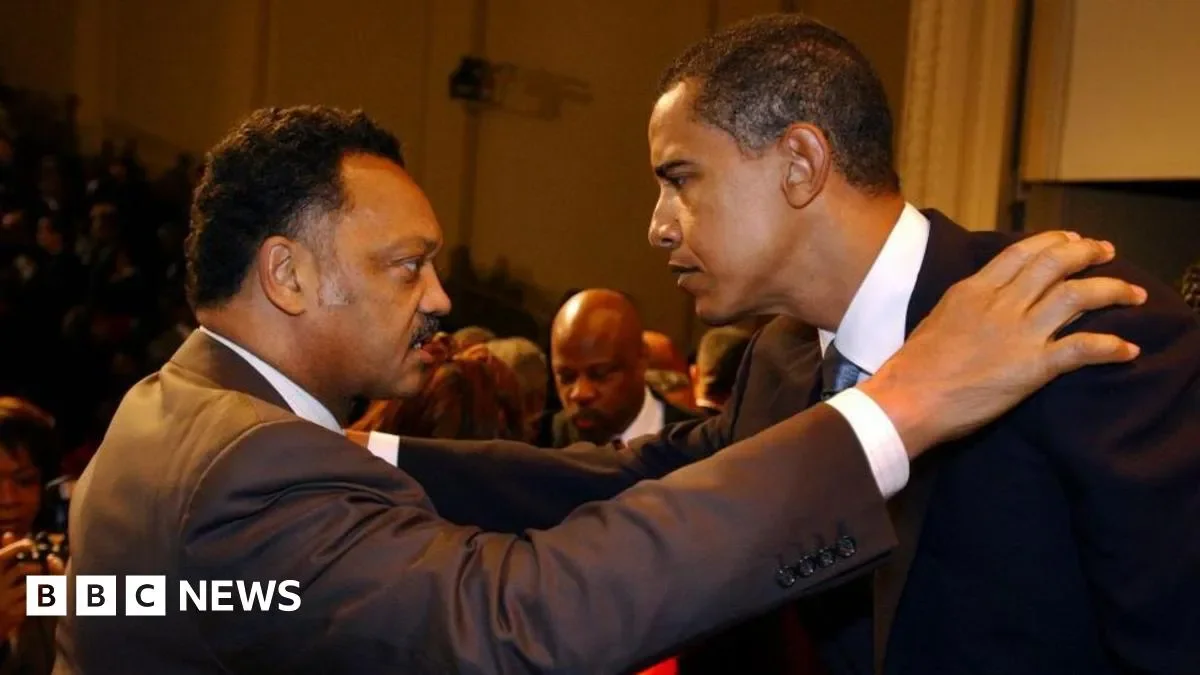
Jackson's speech framed the election as a clear choice between a future of justice for everyone or continued benefits for a select group.
Echoes in Subsequent Campaigns
Jackson's 1984 bid and his powerful convention address are seen as foundational for future political movements within the Democratic Party. His ability to mobilize a diverse base and articulate a vision of progressive change influenced subsequent candidates and strategists. The 1988 election saw Jackson run again, further solidifying his position as a key figure in the party's evolving electorate.
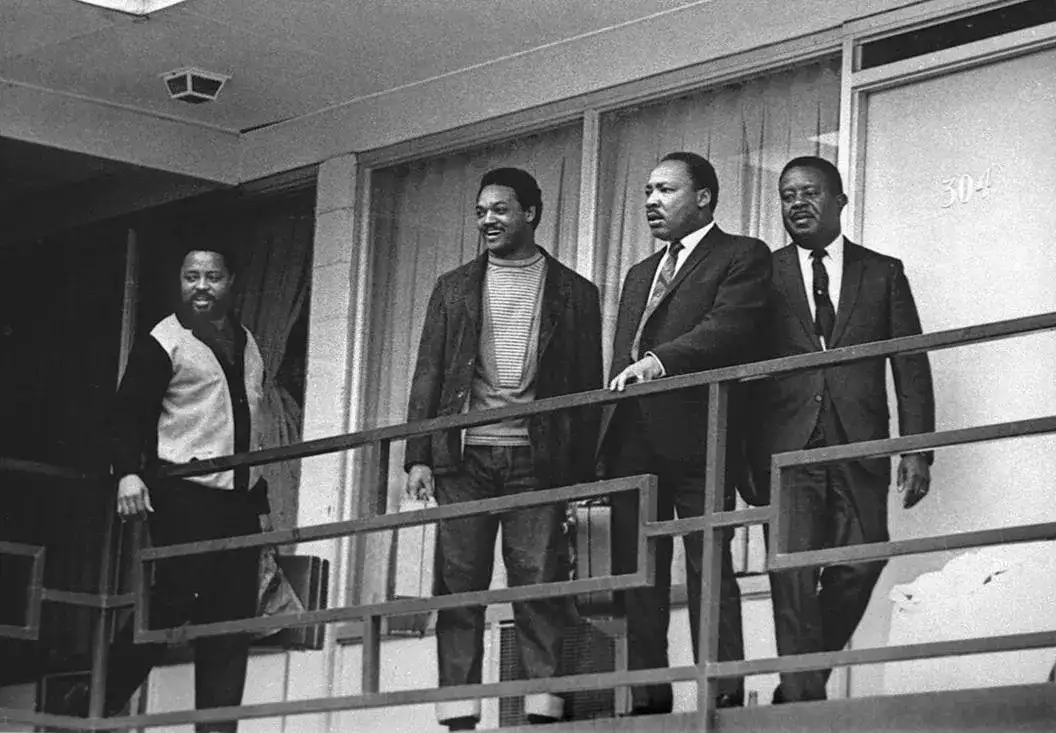
The speeches from 1984 and 1988 are sometimes referenced as periods of significant, though not entirely successful, attempts to redefine the Democratic Party's historical direction.
Jackson's mission in these campaigns was successful in elevating his national standing and influencing political discourse.
His efforts laid groundwork that is seen as having paved the way for future African American political leaders, including Barack Obama.
Legacy and Broader Impact
Jesse Jackson's "Rainbow Coalition" speech transcended the immediate electoral outcome of 1984. It represented a significant moment in American civil rights history and political strategy, demonstrating the power of inclusive rhetoric and coalition-building. The speech is recognized for its role in expanding the Democratic Party's base and influencing its platform towards more progressive policies that sought to address the needs of a diverse populace.
Read More: Trump says Vance-Rubio ticket would be "unbeatable" for 2028
The concept of the "Rainbow Coalition" championed by Jackson aimed to unify the party.
He encouraged Democrats to adopt progressive policies, such as reallocating defense spending to social programs like infrastructure and healthcare, believing this would attract broader national support.
While the 1984 and 1988 presidential elections are sometimes viewed as difficult periods for the Democratic Party, Jackson's campaigns are integral to understanding the party's efforts to adapt and grow its constituency.
Expert Analysis
The impact of Jackson's 1984 speech is often evaluated through its influence on party strategy and voter engagement.
"He demanded a place in the party’s agenda for progressive policies and his multiracial voting base, which he anointed the Rainbow Coalition." - Analysis from Bunk History
This perspective highlights Jackson's assertiveness in shaping the party's direction. He did not merely seek to heal divisions but actively pushed for the inclusion of his specific policy priorities and the acknowledgment of his multiracial coalition as a vital component of the party's future.
Jackson's speech was not just about unity, but a forceful demand for progressive policies and recognition of his multiracial "Rainbow Coalition" within the Democratic Party's agenda.
Read More: NAACP Boycott of Southern College Sports Starts May 2026
Conclusion
Jesse Jackson's 1984 "Rainbow Coalition" speech was a landmark event in American political history. Delivered at the Democratic National Convention, it articulated a vision of an inclusive and progressive political movement that sought to represent a broad spectrum of American society. While his presidential campaigns did not result in nomination, Jackson's oratorical prowess and his articulation of the "Rainbow Coalition" concept left an indelible mark on the Democratic Party, influencing its base, its platform, and its future trajectory. The speech remains a potent example of how political rhetoric can galvanize diverse communities and challenge established political norms.
Sources
History.com: Historic DNC speech by Jesse Jackson. https://www.history.com/this-day-in-history/July-17/jesse-jackson-dnc-speech-1984
BBC News: Analysis of Jesse Jackson's influence on American politics and Barack Obama. https://www.bbc.co.uk/news/articles/cx77214zz9eo
Bunk History: Examination of Jesse Jackson's political influence and the "Rainbow Coalition." https://www.bunkhistory.org/resources/jesse-jacksons-political-revolution
Teaching American History: Context and text of the "Rainbow Coalition" speech. https://teachingamericanhistory.org/document/the-rainbow-coalition-speech-to-the-democratic-national-convention/
C-SPAN: Recording of the historic convention speech. https://www.c-span.org/clip/historic-convention-speeches/historic-convention-speech-jesse-jackson-1988/5128341



.jpg)