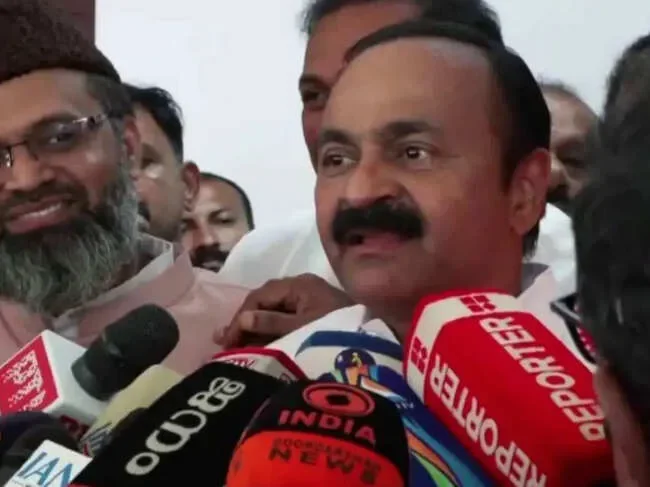
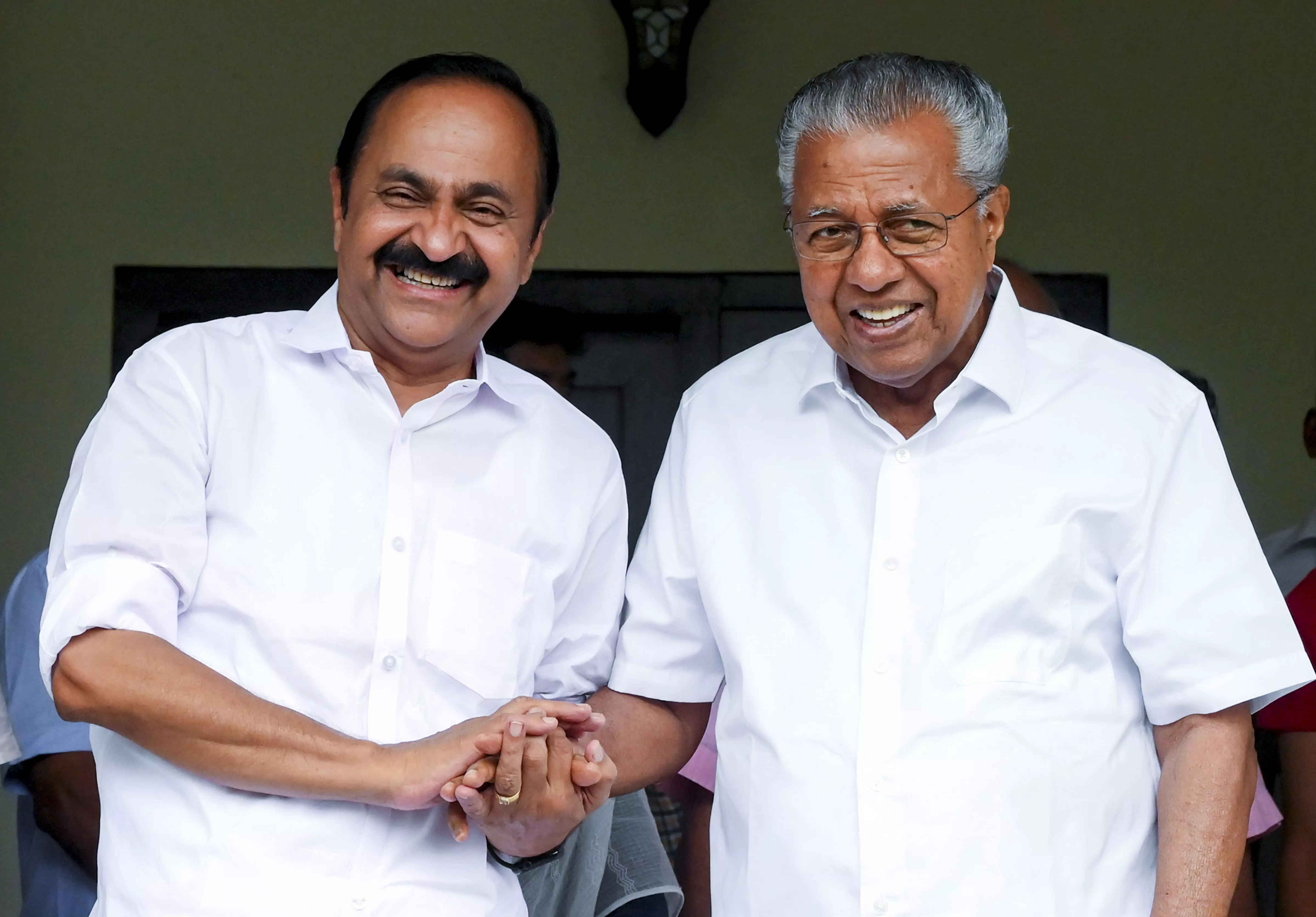
V. D. Satheesan, recently named Chief Minister-designate of Kerala, has launched a vigorous defense of the Indian Union Muslim League (IUML) following public claims that his leadership selection was compromised by sectarian interests. The dispute follows the United Democratic Front (UDF) victory, where the coalition secured 102 of 140 assembly seats.
The core of the current political friction:
Secular Governance: Satheesan maintains the IUML is a fundamental pillar of the UDF's secular framework and rejects claims that the party harbors anti-secular agendas.
Coalition Power Dynamics: The IUML, holding 22 MLA seats, exerted significant influence during the Congress leadership selection, actively backing Satheesan over other candidates like K. C. Venugopal and Ramesh Chennithala.
Right-Wing Allegations: The BJP and other detractors allege the new government is beholden to "communal forces," specifically citing the influence of the IUML and other religious bodies on the ministerial appointment process.
"The government will uphold the mandate to insulate Kerala from any attempt to divide it on communal lines," Satheesan stated following meetings with IUML leadership in Thiruvananthapuram.
Strategic Tensions and Rhetoric
The discourse surrounding this transition reflects a broader struggle to define "secularism" within Kerala’s political theatre. While Satheesan labels the criticism as a 'hate campaign' intended to polarize the electorate, the IUML’s involvement in selecting the Chief Minister has provided fuel for political opponents.
The tension is exacerbated by:| Actor | Stance || :—- | :—- || V. D. Satheesan | Defends IUML as a "deterrent against communal forces." || BJP/Right-wing | Alleges the Congress-led government has "bowed" to specific religious factions. || IUML Leadership | Demands representation commensurate with their electoral strength in the cabinet. |
Read More: Taiwan Holds Nantou County Drills to Prepare for State Collapse

Background
The path to this administration was marked by weeks of internal indecision within the Congress high command, beginning on May 4. During this period of instability, the IUML solidified its position as a kingmaker, insisting on a leader they deemed capable of maintaining their specific brand of secular stability.
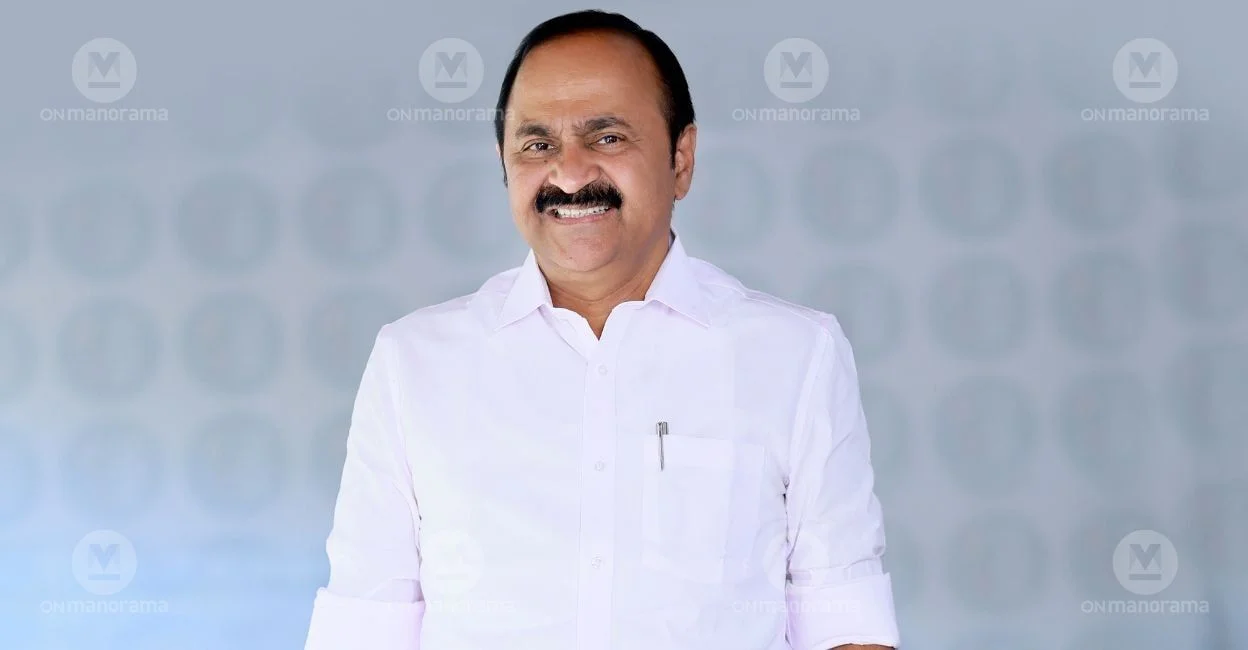
Satheesan has characterized these attacks as 'demonization,' warning community leaders against using sectarian language. As the administration takes office, the balance between secular governance and the political realities of managing a diverse coalition remains the primary test for the new Chief Minister. Further scrutiny is expected regarding ministerial portfolio distribution, particularly the contentious education sector.