International Space Station astronauts were briefly ordered to take shelter in their Crew Dragon capsule on June 5th, 2026, due to a worsening air leak. NASA directed the crew, including French astronaut Sophie Adenot, to prepare for a potential emergency evacuation.
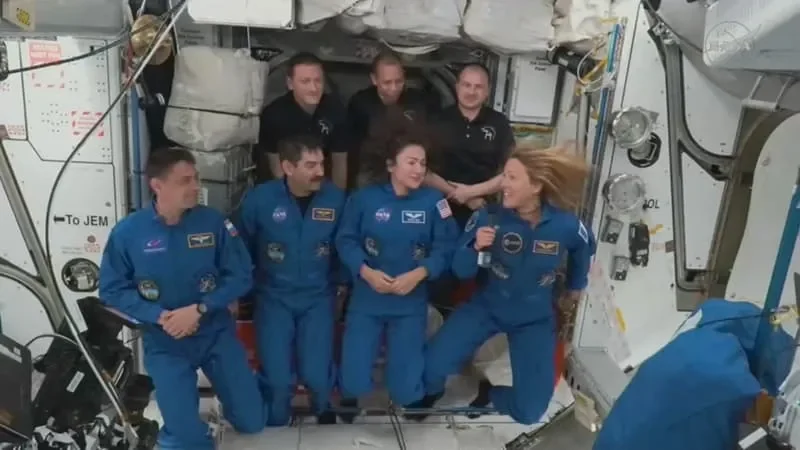
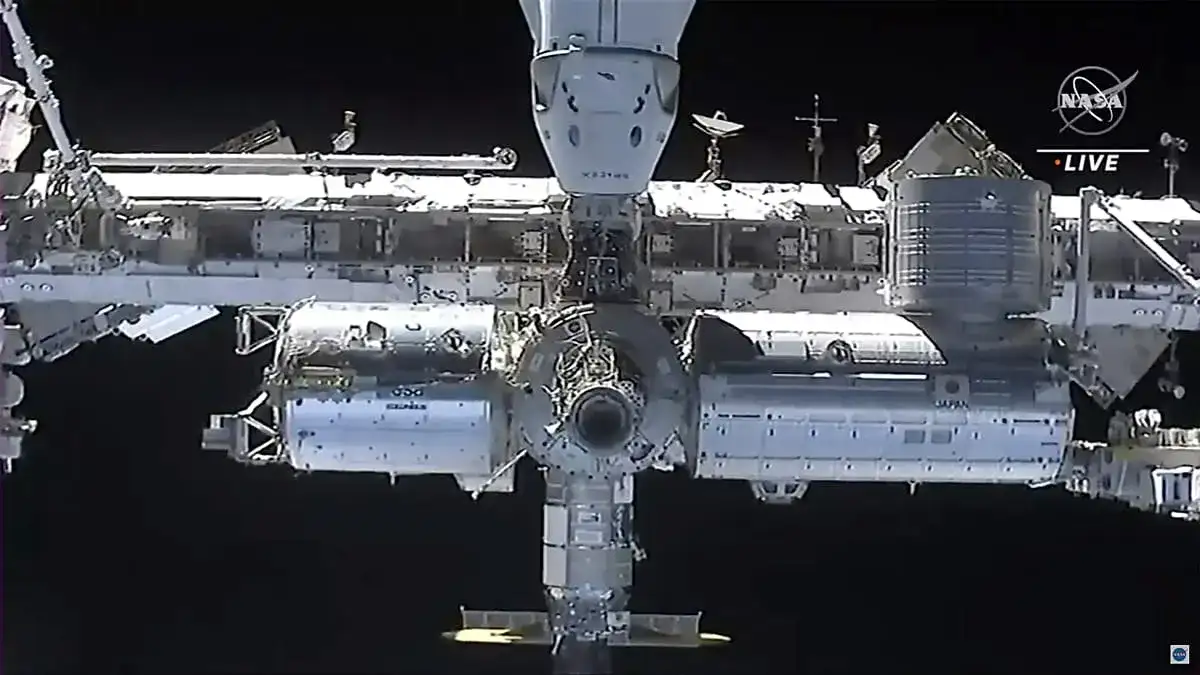
The incident involved a leak located within the Russian segment of the orbital laboratory. While a Russian crew attempted repairs, the situation prompted a precautionary move by NASA. The astronauts were later cleared to return to the main station, with NASA reporting the end of the safety procedures. Russian space agency Roscosmos indicated that an initial leak had been sealed and preparations were underway for a second.
Brief Shelter, Ongoing Concerns
The order to move to the Dragon capsule, which was docked with the ISS, came on Friday, June 5th. Astronauts donned their spacesuits as a safety measure while repairs were being attempted. According to NASA, the situation was managed to allow for the resumption of planned operations aboard the station.
Read More: US Space Force Victus Haze Mission Successfully Tests Orbital Intercepts

A spokesperson for NASA stated that efforts are ongoing with international partners, including Russia, to find a permanent solution for the leaks. Roscosmos, meanwhile, assured that the leaks posed no threat to the crew's safety or the spacecraft's systems.
A Collaborative Endeavor Under Strain
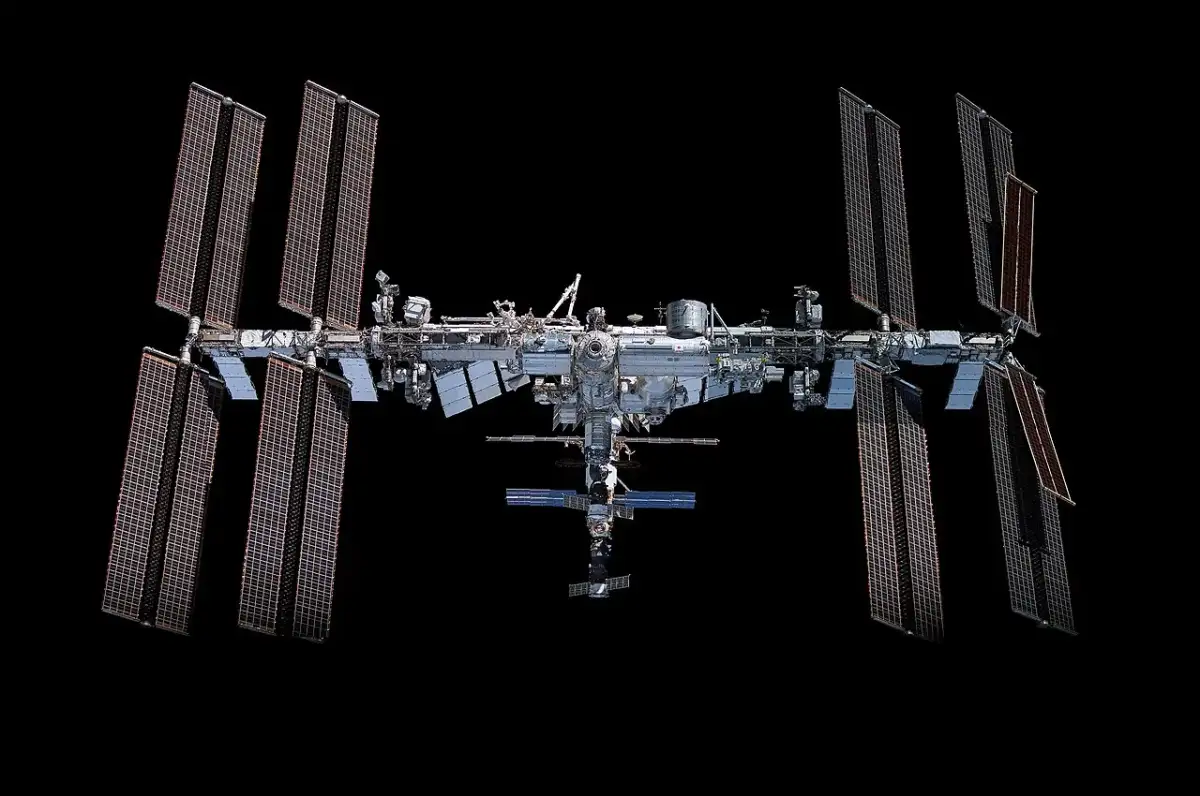
The International Space Station, a collaborative project involving NASA, the European Space Agency (ESA), the Canadian Space Agency, the Japanese Aerospace Exploration Agency, and Russia, orbits approximately 400 kilometers above Earth. It serves as a significant research laboratory. The non-Russian segment of the ISS operates with astronaut "slots" and usage time allocated based on investment.
Recent activity on the ISS also included preparations for the undocking of the Dragon CRS-34 cargo spacecraft for retrieval off the coast of Florida. Live feeds from the station, often broadcast from the Harmony module, offer views of Earth and station operations. Tools like NASA's 'Spot the Station' app allow the public to track the ISS's passes overhead.
Read More: Egypt beats Australia 4-2 on penalties in Dallas World Cup match