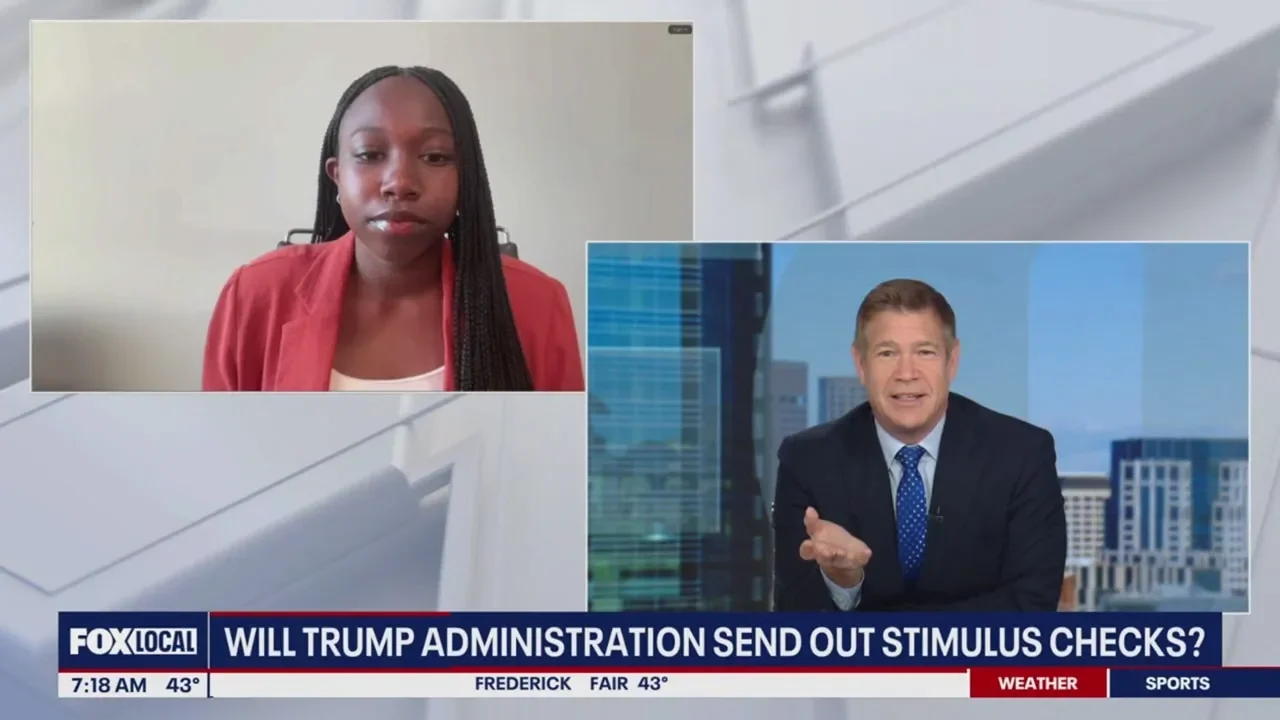
Recent online claims about a $1,390 IRS stimulus check to be issued in February 2026 have been widely circulated. These rumors suggest that the IRS has approved new federal payments, leading to significant confusion among taxpayers. However, official statements from the IRS and various news outlets indicate that these claims are misleading, and no such new stimulus payments are authorized.
The IRS has repeatedly stated that taxpayers should rely solely on official IRS.gov channels for verified information regarding payments. The confusion appears to stem from the misunderstanding of existing tax refunds and credits being issued, which are often mistaken for new stimulus measures.
Origins of the Misinformation
The emergence of these rumors coincides with periods of economic pressure, a pattern observed previously.
Online platforms have seen widespread sharing of information suggesting the existence of $1,390 stimulus checks.
These claims often mention specific dates, such as February 2026, and specific amounts, which lack official backing.
The IRS has explicitly warned against trusting unofficial sources for payment information.
Official IRS Stance and Verification Channels
The Internal Revenue Service (IRS) has taken a clear position on these circulating rumors, emphasizing the importance of official communication.
Read More: Barclays UK to Open New Branches and Bring Back Bank Managers in 2024
Official Statements: An IRS spokesperson has directly stated that claims of new stimulus checks are false.
Verification: The IRS directs taxpayers to IRS.gov as the primary and most reliable source for any payment or refund information.
Phishing Awareness: The agency also advises reporting suspicious messages to [email protected], indicating an awareness of potential scams linked to these rumors.
The core of the IRS's message is a directive to taxpayers: verify all information through official channels, and be skeptical of unverified online claims, especially those promising specific dollar amounts and dates for new federal payments.
What Taxpayers May Be Receiving Instead of Stimulus Checks
Much of the public's current confusion appears to be rooted in the mistaken identification of regular tax refunds and other legitimate credits as new stimulus payments.
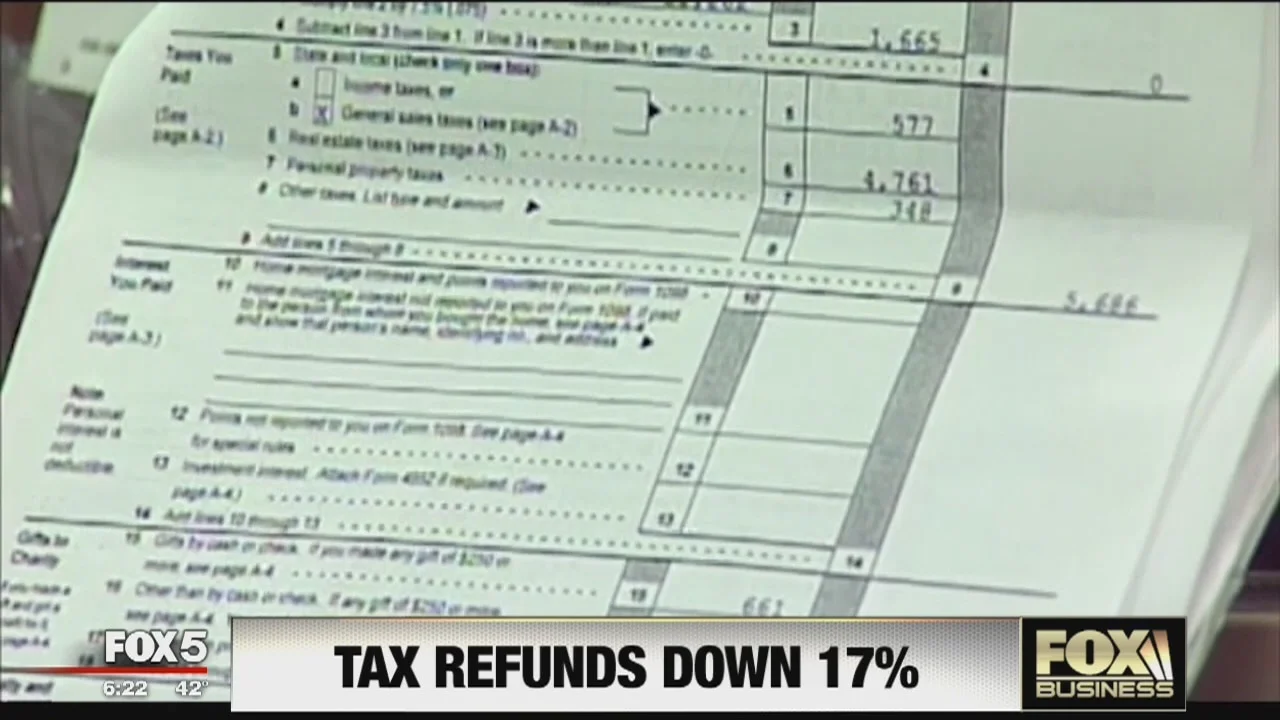
Regular Tax Refunds: These are payments issued to taxpayers who overpaid their taxes throughout the year.
Earned Income Tax Credit (EITC): A refundable tax credit for low- to moderate-income working individuals and couples.
Child Tax Credit (CTC): A tax credit for taxpayers who have qualifying children.
Prior Year Adjustments: Some taxpayers may be receiving delayed or corrected refunds from previous tax years.
These are distinct from the broad stimulus packages enacted during the pandemic, such as the CARES Act, the COVID-related Tax Relief Act, and the American Rescue Plan Act. These current payments are a function of existing tax law, not new legislative action authorizing stimulus.
Legislative Landscape and Potential Proposals
While widespread rumors suggest new federal payments, the legislative reality is that no new stimulus legislation is currently moving through Congress.
No Active Legislation: As of recent reports, there are no active proposals in Congress that mirror the pandemic-era stimulus programs.
Sen. Josh Hawley's Proposal: One proposal mentioned is still in committee, indicating it has not been approved.
Opposition to Certain Proposals: Some proposed rebates, like those relying on fluctuating tariff revenue, face opposition due to their unpredictable nature and the requirement for congressional approval.
The absence of new legislation authorizing direct stimulus payments is a critical factor in debunking the viral rumors.
Read More: Trump's independent voter approval drops to lowest point ever

Understanding Refundable Credits and Eligibility
The distinction between stimulus payments and refundable tax credits is important for taxpayers to grasp. Refundable credits, like the EITC and CTC, can result in a payment even if the taxpayer owes no tax or has overpaid by a smaller amount.
Eligibility for EITC/CTC: These credits have specific income and eligibility requirements, separate from any stimulus qualification.
Impact on Benefits: Payments received from these credits are generally tax-free and do not affect eligibility for other federal benefits like Medicaid, SNAP, or Social Security.
Taxpayers seeking these credits must have filed their federal tax return and meet the established income thresholds.
Scams and How to Stay Safe
The proliferation of stimulus rumors also brings an increased risk of scams targeting unsuspecting taxpayers.

Scam Prevalence: Online scams are already circulating, often mimicking official communications.
Protection Measures: Taxpayers are urged to be vigilant and report any suspicious messages.
Official Communication Channels: Legitimate IRS announcements are exclusively shared through IRS.gov or verified Treasury communications.
Staying informed through official IRS channels is the most effective way to avoid falling victim to these scams.
Expert Analysis on Stimulus Rumors
Financial and tax experts echo the IRS's guidance, stressing the importance of differentiating between actual government programs and online speculation.
"When economic uncertainty rises, it's common to see a surge in rumors about stimulus payments. It's crucial for individuals to remember that any new federal payments would require explicit legislative action by Congress and clear announcements from the Treasury and IRS. Relying on social media or unverified websites for this kind of information can lead to significant disappointment and potentially expose you to scams." - Unnamed financial analyst quoted in Marca.com
"The IRS has been very clear. They are issuing regular tax refunds and processing credits like the EITC and CTC. These are not new stimulus checks. Until Congress passes new laws, the idea of a February 2026 stimulus payment is just online noise. Always go to IRS.gov first." - Unnamed tax professional quoted in Fox5DC
Conclusion
Based on the available evidence and official statements, the viral rumors concerning $1,390 IRS stimulus checks for February 2026 are unfounded. The IRS has not approved any new federal stimulus payments. The deposits many taxpayers are observing are regular tax refunds or refundable tax credits, such as the EITC and CTC.
Read More: Singareni Workers Get Up To ₹55 Lakh Insurance Cover From Union Bank
Key Finding: There is no legislative basis for new stimulus checks currently circulating.
Implication: Taxpayers should disregard claims of new stimulus payments and rely on official IRS communications.
Next Steps: Continue to monitor IRS.gov for accurate information and report any suspicious activity to the IRS.
The distinction between existing tax benefits and new stimulus legislation is paramount. Without congressional action, the issuance of new federal stimulus payments remains unsubstantiated.
Sources Used:
Marca.com: Published 22 hours ago. Focuses on verifying IRS payment information and the IRS's warning to rely on official sources like IRS.gov. https://www.marca.com/en/lifestyle/us-news/personal-finance/2026/02/20/6998803de2704e506c8b4592.html
Fox5DC: Published 1 day ago. Discusses eligibility for tax credits and differentiates them from stimulus checks, mentioning Trump administration stimulus and refundable credits. https://www.fox5dc.com/news/stimulus-payment-february-2026-irs-direct-deposit-relief-tariff-dividend-tax-refund-fact-check
Atlas Tiny Homes: Published recently. Explains the recurrence of stimulus rumors during economic pressure and clarifies that current deposits are tax refunds or credits, not new federal stimulus. https://atlastinyhomes.com.au/february-2026-stimulus-talk-explained/
Fox4News: Published Aug 15, 2025. Directly quotes an IRS spokesperson stating the claims are false and notes the absence of new relief programs or similar proposals moving through Congress. https://www.fox4news.com/news/irs-stimulus-check-rumor-fact-check
Informer News: Published Aug 15, 2025. Discusses eligibility for a $1,390 stimulus check, filing requirements, and warns about scams, emphasizing official IRS website use. https://myinformernews.com/2025/08/15/1390-stimulus-checks/
Bizora.ai: Published Oct 27, 2025. Reports that the IRS has debunked viral rumors of $1,390 and $2,000 stimulus checks, emphasizing official IRS sources. https://www.bizora.ai/post/irs-debunks-viral-1-390-and-2-000-stimulus-check-rumors
Benzinga: Published Aug 18, 2025. Reports IRS denial of rumored stimulus checks for 2025, clarifying that no new payments are approved and updating to include IRS spokesperson comments. https://www.benzinga.com/markets/macro-economic-events/25/08/47113852/irs-reportedly-confirms-1390-stimulus-checks-for-eligible-americans-rumors-of-2000-august-payout-debunked-plans-late-summer-rollout