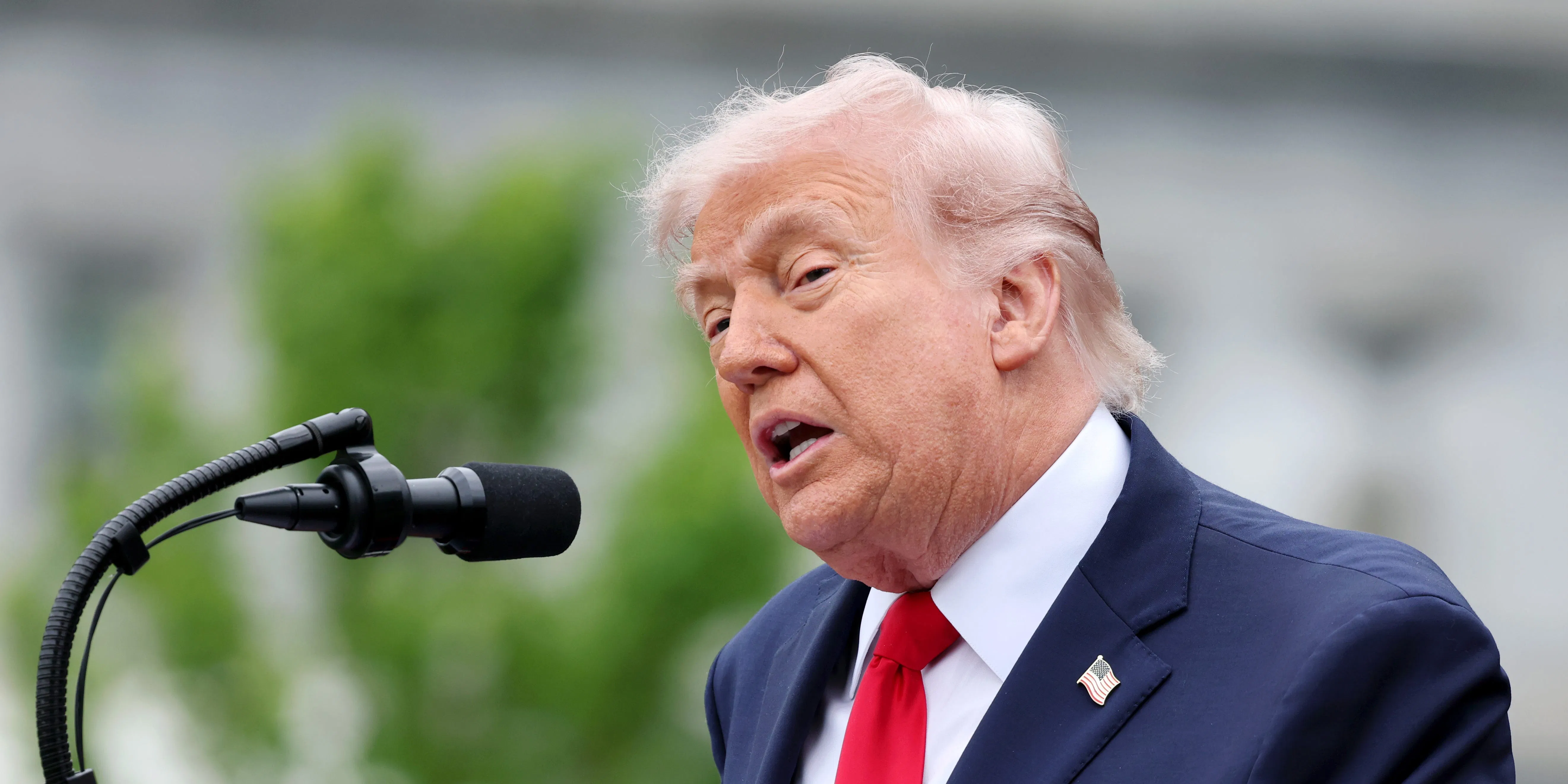
Iran has signaled that any United States intervention in the Strait of Hormuz, specifically with President Donald Trump's announced 'Project Freedom' initiative to escort stranded ships, would constitute a breach of the existing ceasefire. This declaration comes as the US prepares to commence operations aimed at clearing maritime traffic in the vital waterway.

The core of the current tension revolves around the operationalization of the Strait of Hormuz, with Iran viewing US involvement as a direct challenge to a fragile peace.'

On Sunday, May 3, 2026, Iranian state media reported that the nation was reviewing a response from the US, delivered via Pakistan, to a 14-point peace proposal submitted by Tehran. However, this diplomatic overture appears to be overshadowed by the escalating rhetoric and actions concerning the strait. An Iranian foreign ministry spokesperson explicitly stated that nuclear negotiations are not currently on the agenda. Meanwhile, Iran's Revolutionary Guards presented the US with a stark choice: an "impossible" military engagement or a "bad deal."
Read More: US Operation 'Restore Freedom' to Guide Ships Through Strait of Hormuz

The United Kingdom's Foreign, Commonwealth and Development Office summoned Iran's Ambassador, expressing strong disapproval of comments interpreted as inciting violence, and questioning the assassination of Iran's Supreme Leader, Ali Khamenei, on February 28, the day the conflict between Iran, Israel, and the United States began. The UK official stated that the Iranian Ambassador's actions and remarks were "completely unacceptable."

President Trump has also voiced his dissatisfaction with Iran's latest peace proposal, deeming it "unacceptable." Simultaneously, he announced plans for 'Project Freedom,' an operation designed to guide ships through the Strait of Hormuz, set to begin on Monday. This move has been met with firm opposition from Iran, with a senior Iranian official asserting that such US actions would violate the ceasefire. US Central Command confirmed that military forces would indeed begin supporting merchant vessels through the strait starting Monday, local time.
Read More: Trump says Iran hasn't paid 'price' for peace, reviews proposal
Background Tensions and Economic Repercussions
The broader conflict, which began on February 28, has had significant global economic consequences, particularly concerning oil and gas shipments. Iran had previously blockaded the Strait of Hormuz, a crucial route for global energy supplies, in response to the US-Israeli offensive, sending shockwaves through the international economy. Despite reports of Iran allowing passage through the strait and a subsequent ceasefire, tensions have remained high, marked by fluctuating oil prices and renewed military posturing.
Analysts suggest that gold and silver prices are likely to remain volatile, influenced by the ongoing US-Iran conflict and broader Middle East instability. Precious metals are expected to see mixed movements as investors weigh geopolitical risks against economic indicators.
The situation also involves other regional actors, with reports of eight people killed in Israeli attacks on southern Lebanon, despite a ceasefire. Hezbollah has outlined conditions for peace, including an Israeli withdrawal and an end to "aggression." Saudi Arabia, Russia, and several other OPEC+ nations have agreed to increase their oil production quotas for June, an action that does not include the United Arab Emirates, which recently withdrew from the body.
Read More: Iran Peace Plan: 30-Day War End Demand Meets US Doubt