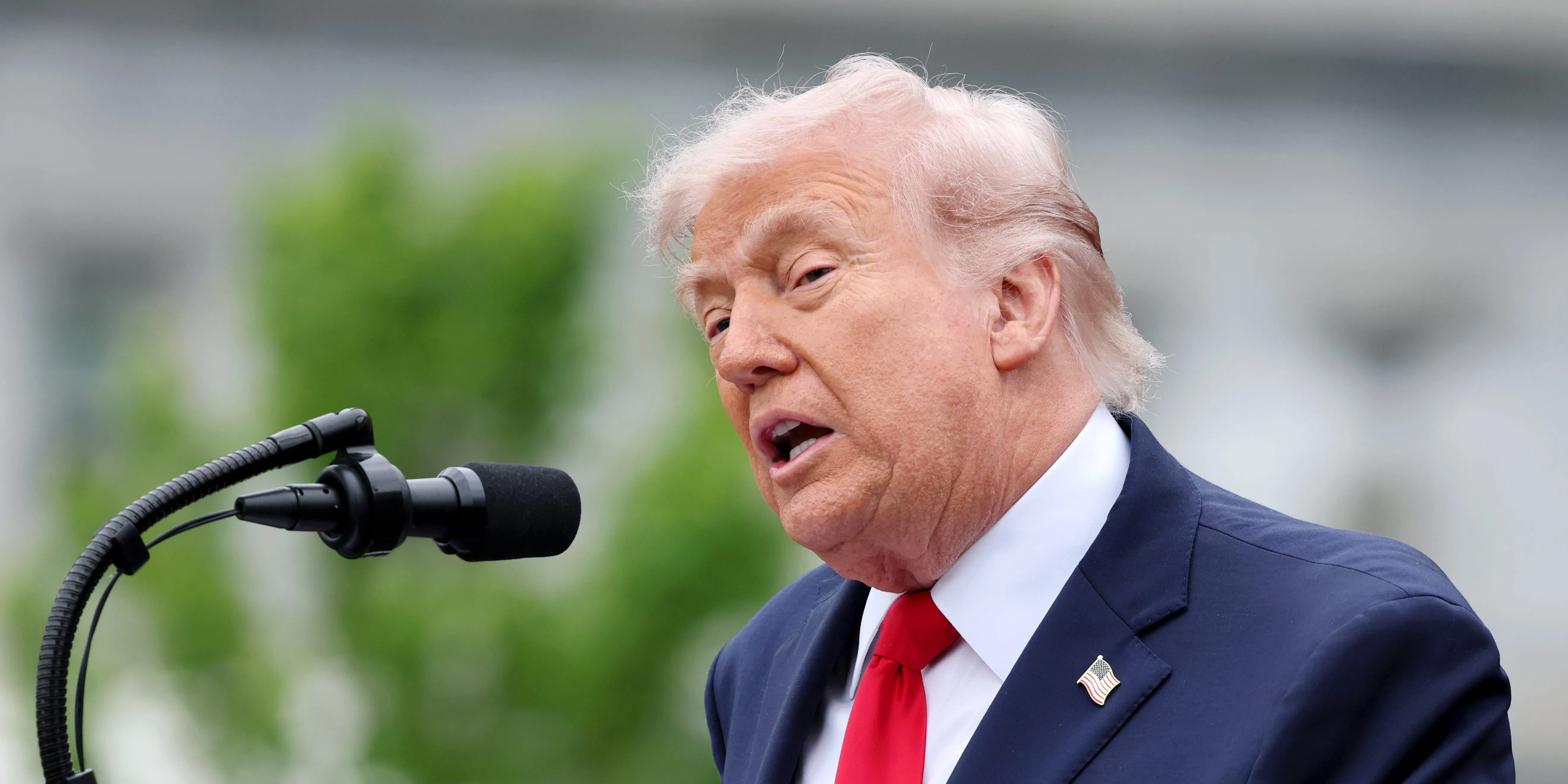
US President Signals Unlikelihood of Accepting Tehran's Latest Proposal Amidst Escalating Tensions
President Donald Trump has declared he is reviewing Iran's newest proposal for peace, yet simultaneously voiced significant skepticism regarding its potential for acceptance. Trump’s remarks, delivered on Saturday, suggest a harsh stance, stating that Tehran has not yet "paid a big enough price" for its actions over the past 47 years. This skepticism casts a long shadow over nascent diplomatic efforts and indicates a potential continuation of the conflict.
Key Developments:
Iranian Proposal Received: Iran's foreign ministry confirmed on Sunday that it had received a response from the United States to its 14-point peace proposal. This proposal, delivered via Pakistan on Friday, reportedly centers on the lifting of blockades and establishing new mechanisms for managing the Strait of Hormuz.
US Stance on Nuclear Limits: The US has consistently maintained that any agreement must include limitations on Iran's nuclear program. It remains unclear whether Washington's latest response addresses this specific demand.
Project Freedom Initiative: Trump announced that the US would commence an effort, dubbed "Project Freedom," to escort ships from neutral countries out of the Strait of Hormuz, beginning Monday. This action comes as the US has enforced a naval blockade on Iranian ports.
Broader Regional Conflict: Simultaneously, Israeli airstrikes in southern Lebanon have persisted, resulting in civilian casualties, despite ongoing ceasefire efforts. These actions occur alongside the US-Iran war, now in its third month, and a parallel conflict involving Israel and Iran's Hezbollah allies.
Congressional Deadline: The US military operations against Iran are nearing a critical 60-day deadline under a long-standing law that limits the use of force without congressional authorization. Friday marked the 60th day since Trump formally notified Congress of strikes initiated on March 2.
Skepticism and Conditional Acceptance
Trump’s pronouncements, made via posts on Truth Social and in brief media interactions, suggest a deep-seated dissatisfaction with Iran's past conduct. "I can't imagine that it would be acceptable," he stated, reiterating that the nation has not sufficiently "paid a price." While leaving open the possibility of resuming strikes if Iran "misbehaves," he offered no specifics on what actions might trigger such a response.
Read More: Taiwan Holds Nantou County Drills to Prepare for State Collapse
Strait of Hormuz Stalemate
The Strait of Hormuz has become a central point of contention. Iran effectively closed the vital waterway early in the conflict, prompting the US to implement a naval blockade on Iranian ports. This reciprocal action has severely impacted global oil, gas, and fertilizer shipments. Trump's "Project Freedom" initiative aims to mitigate disruptions for neutral vessels.
Historical Context and Economic Strain
The war, now in its third month, has had a significant economic impact on Iran, with oil exports curtailed and inflation reportedly exceeding 50 percent. Previous diplomatic attempts, including in-person negotiations in Islamabad mediated by Pakistan, have failed. The current exchange of proposals represents a renewed, albeit fragile, attempt at de-escalation. Iran's latest proposal reportedly envisions resolving the shipping standoff and ending the conflict before engaging in talks about its nuclear program.
Regional Escalation
The conflict is not confined to US-Iran tensions. Israel has issued evacuation orders for villages in southern Lebanon, indicating a deepening of its conflict with Hezbollah. This escalation risks further complicating broader peace initiatives in the region.
Read More: AFP Reviews War Crime Claims Against Australian in Gaza
The intertwined nature of these conflicts, coupled with Trump's unyielding rhetoric, suggests a protracted period of instability and a low probability of immediate resolution.