GLOBAL MARKETS SHAKEN BY ENERGY CRISIS
The conflict in Iran has triggered a severe global energy crisis, highlighting the inherent risks of dependence on finite fossil fuel resources. Major energy companies in several Gulf Cooperation Council states have invoked 'force majeure', suspending contractual obligations due to the unprecedented disruption to global oil markets. Brent crude prices surged, exceeding $100 per barrel, a more than 40% increase over pre-war levels, according to reports from April 21, 2026.
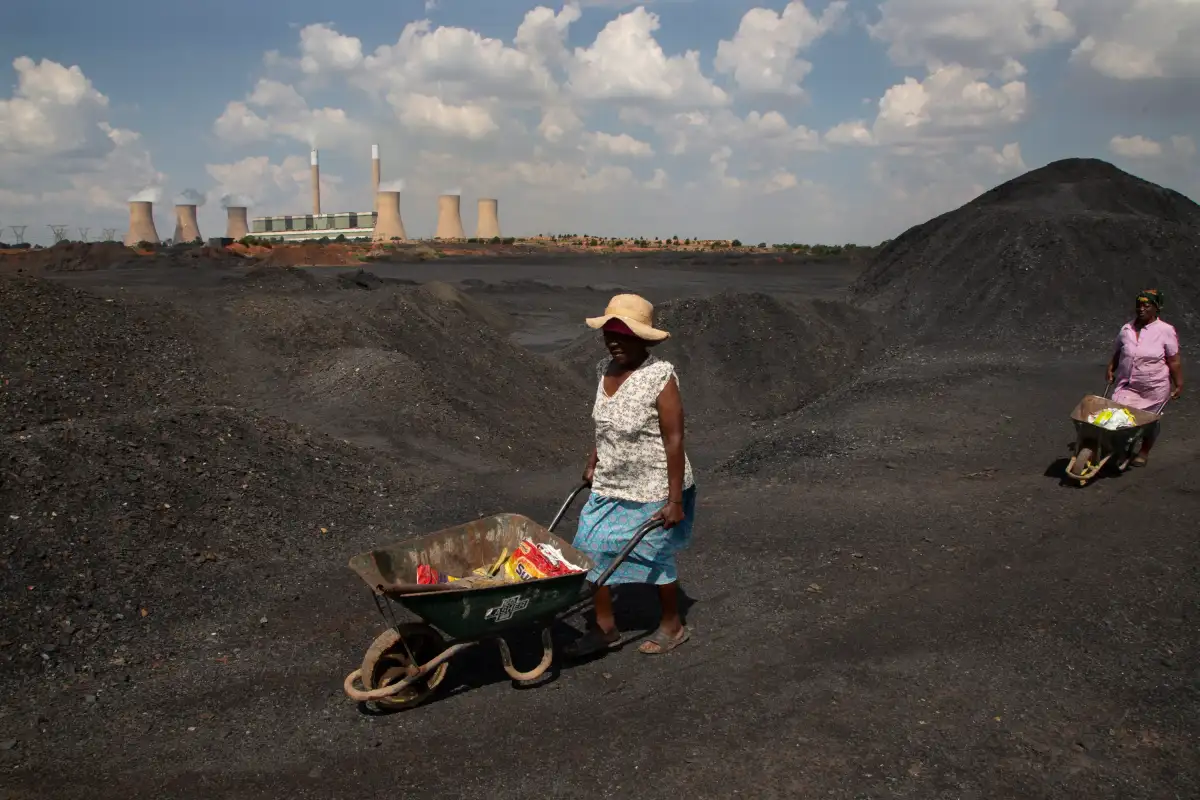
The war has demonstrably shown that true energy security and independence remain elusive as long as nations rely on fossil fuels, exacerbating threat profiles through resource competition and attacks on energy infrastructure. This reality underscores the urgent need for a shift towards decarbonized and decentralized energy solutions.
Escalating Disruptions and Shifting Strategies
News of Russia's attacks on Ukraine's energy infrastructure, including drones targeting power stations and leaving Kyiv bracing for further assaults on its grid, serves as a stark reminder of these vulnerabilities, as noted on May 18, 2026. This ongoing reliance on fossil-fueled power plants and grids amplifies existing threats.
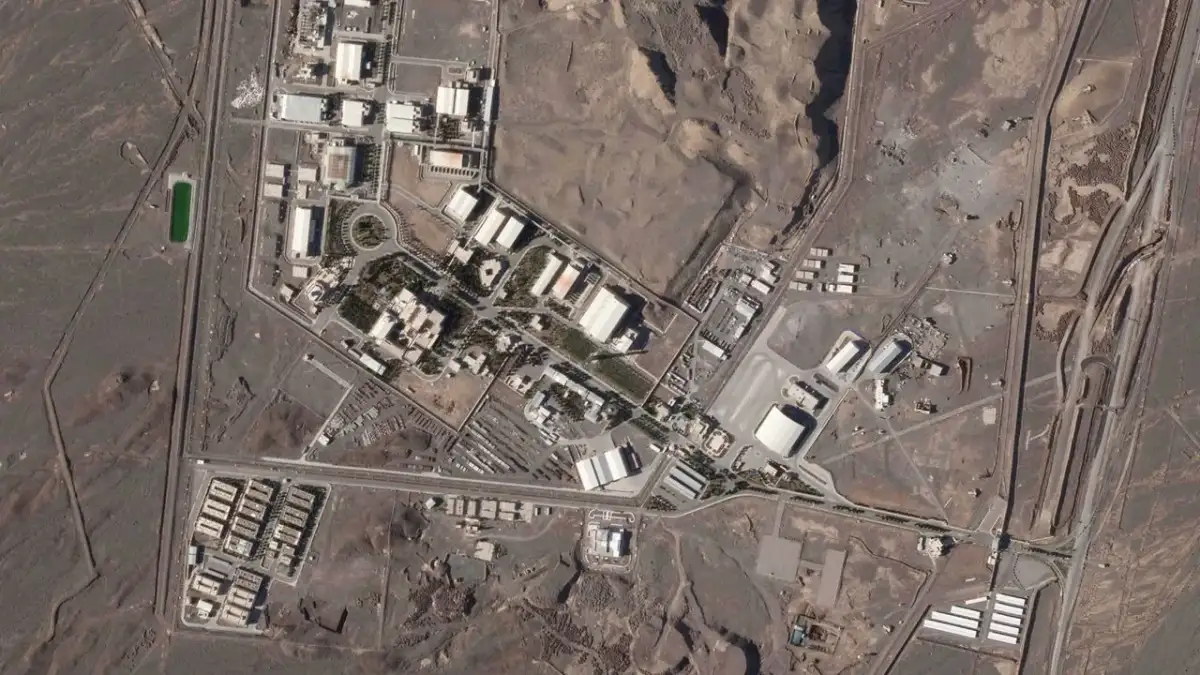
Read More: Iran Zagros Mountain Nuclear Site Construction Update April 2026

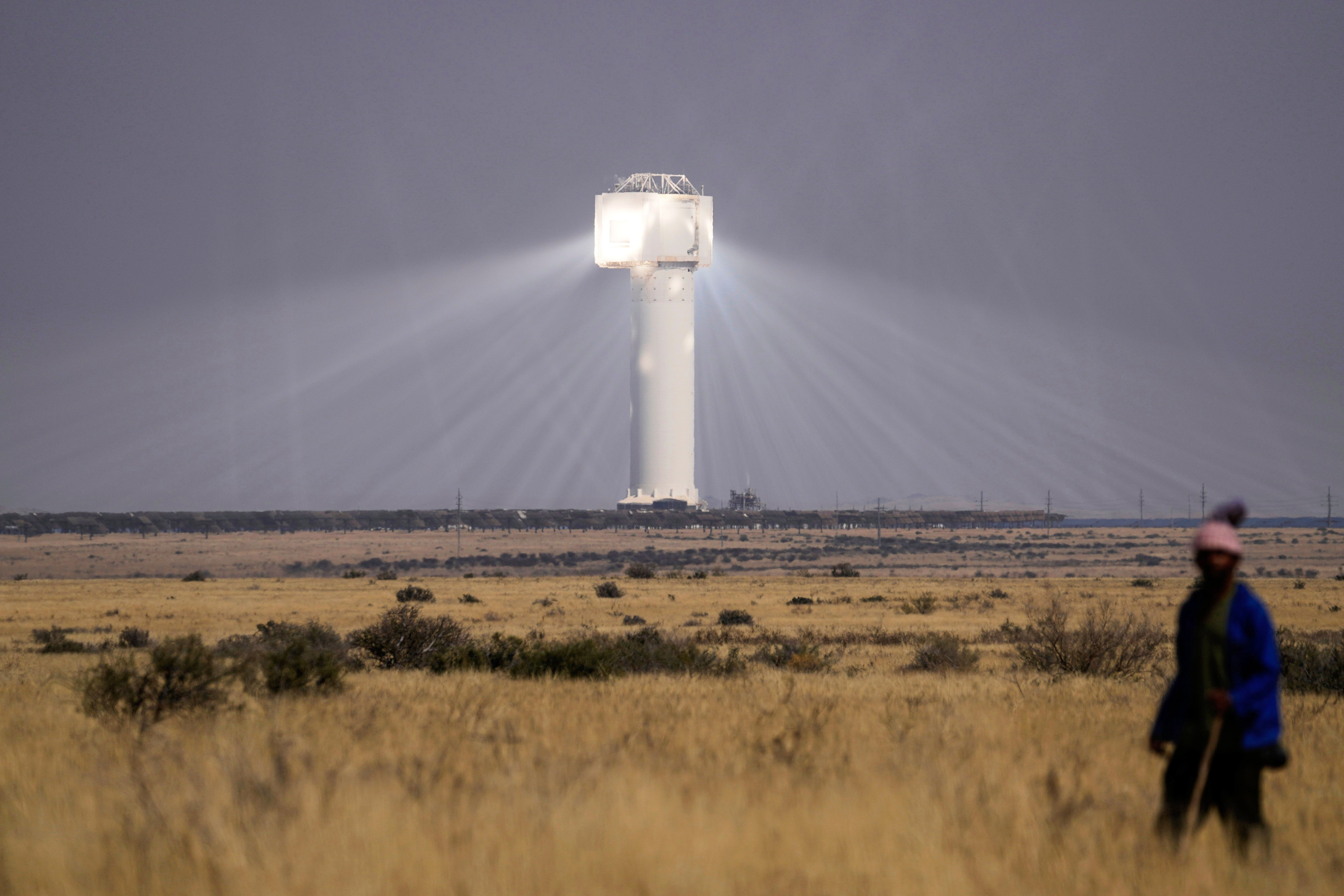
Countries are increasingly seeking energy sources that are "structurally more resilient," according to a UN renewables chief on April 2, 2026. This shift is driven not only by emissions reduction goals but also by the desire for "homegrown domestic energy." The conflict has exposed the fragility of global oil and gas supply chains, particularly their reliance on critical choke points like the Strait of Hormuz. While Iran leverages this strait for strategic advantage, the global community faces a potent reminder of the risks associated with concentrated production.
A Global Wake-Up Call
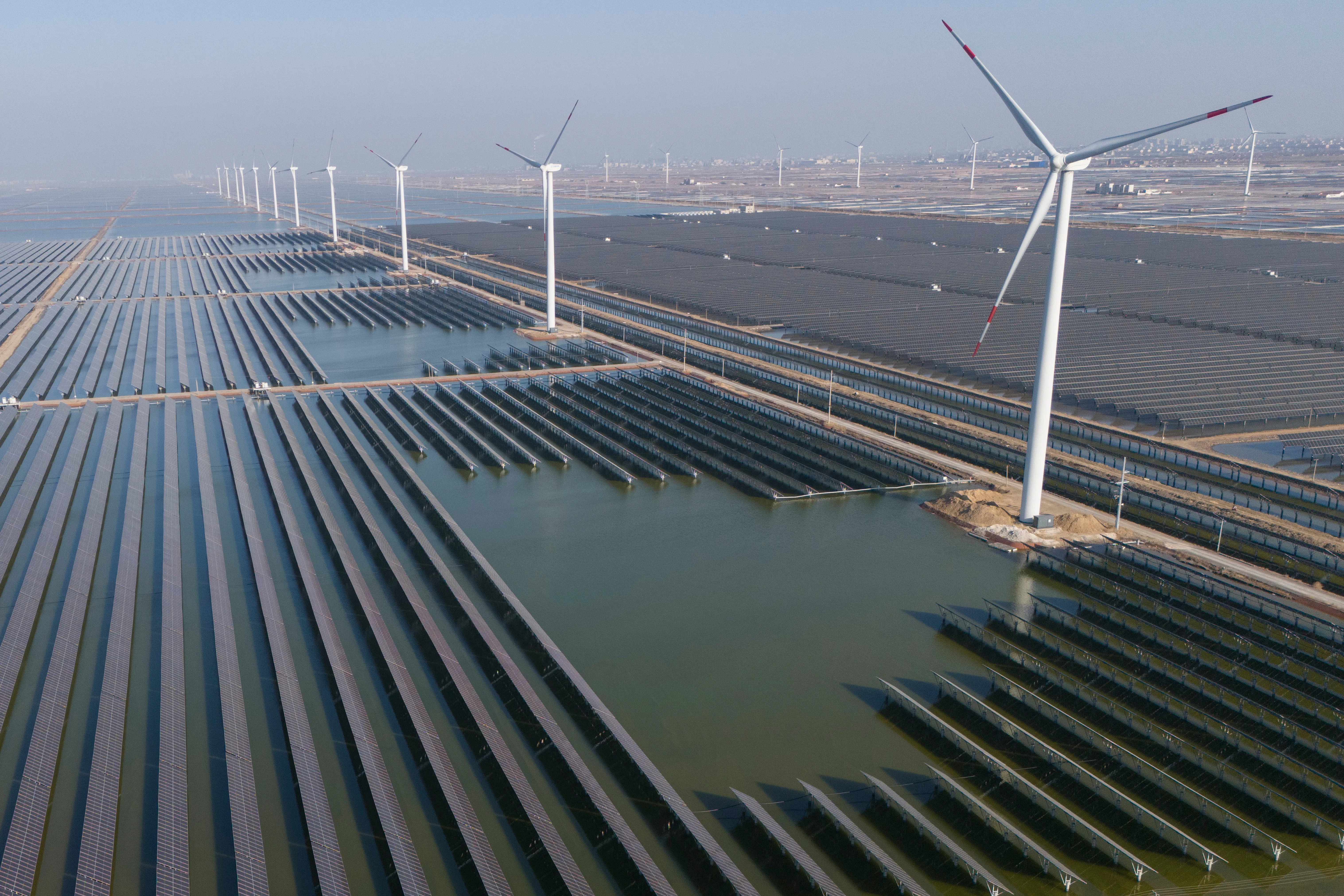
The energy fallout from the Iran war is acting as a "global wake-up call for renewable energy." Importing economies are particularly strained by rising prices and market disruptions. Wealthy nations in Europe and East Asia are grappling with familiar energy shocks, with some resorting to increased use of fossil fuels. However, countries like China, despite continued coal reliance, have significantly expanded their renewable energy capacity. This broader trend of increased renewable energy use has provided some protection against energy shocks in several Asian nations.
Read More: Solaris Energy SEI Stock Price Forecast Reaches $91.98 by July 2027
Historical Context and Future Implications
The war in Iran has propelled global energy markets into an era of unparalleled uncertainty. Experts are considering whether the 'force majeure' declarations are temporary responses or indicative of a deeper, structural breakdown in the global energy supply system. The situation continuously reshapes the energy landscape, prompting a global re-evaluation of energy strategies and investments.