The Army's Unwavering Stance on Terror
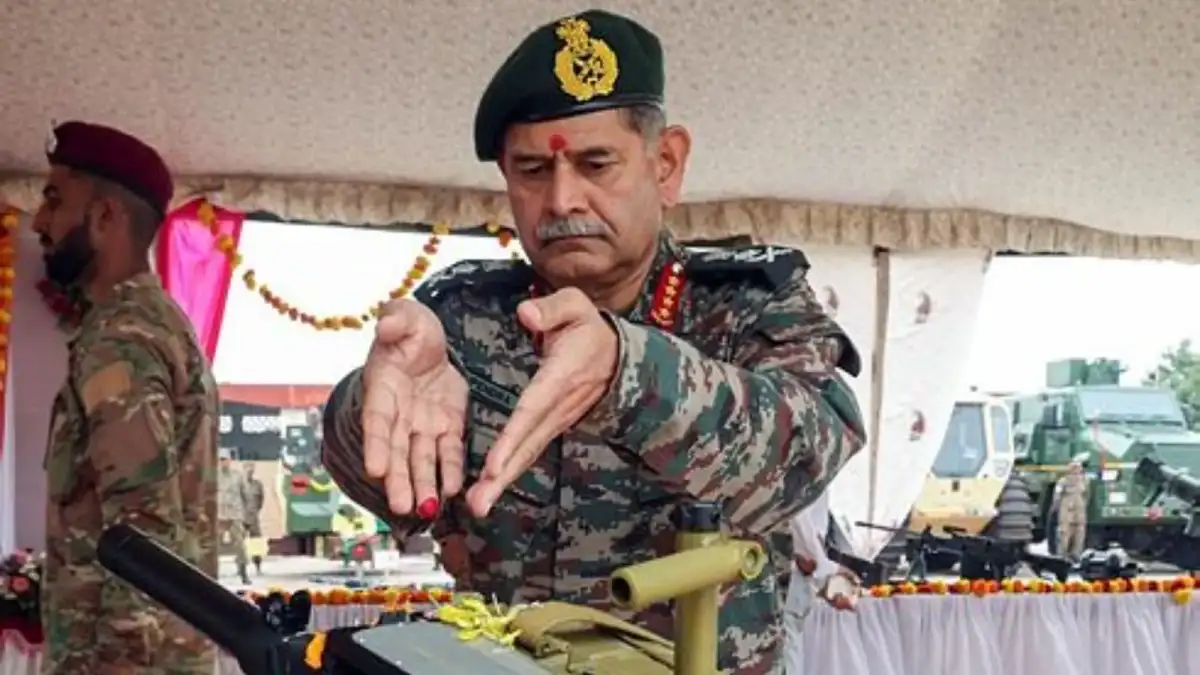
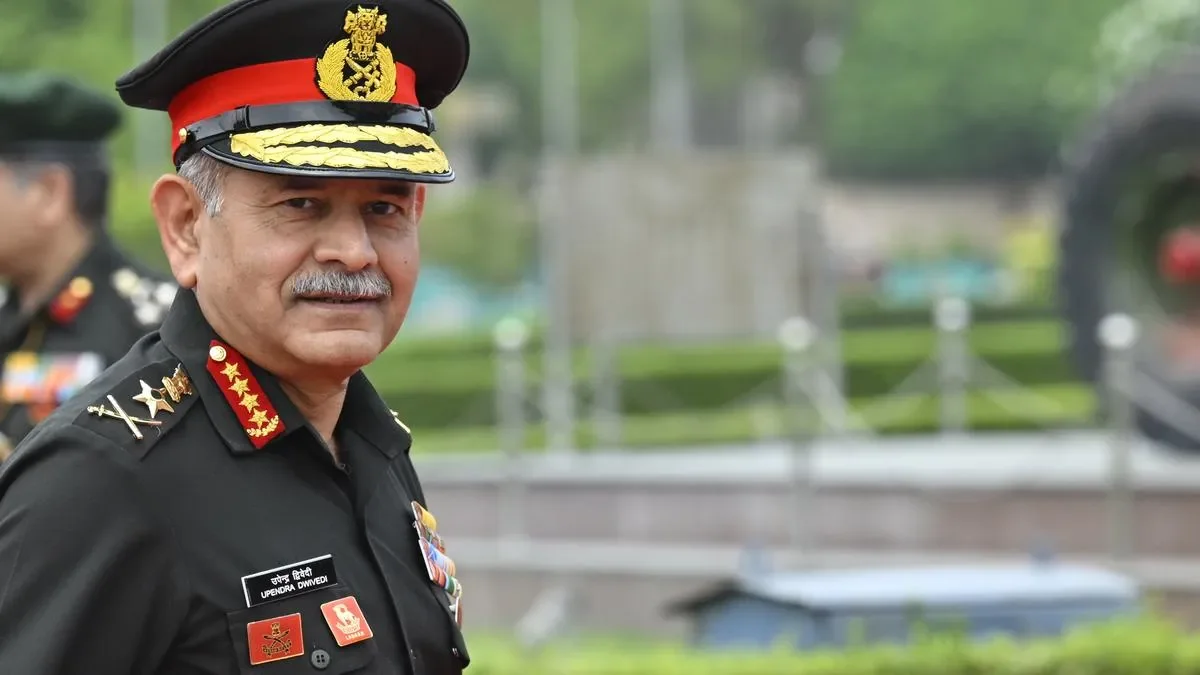
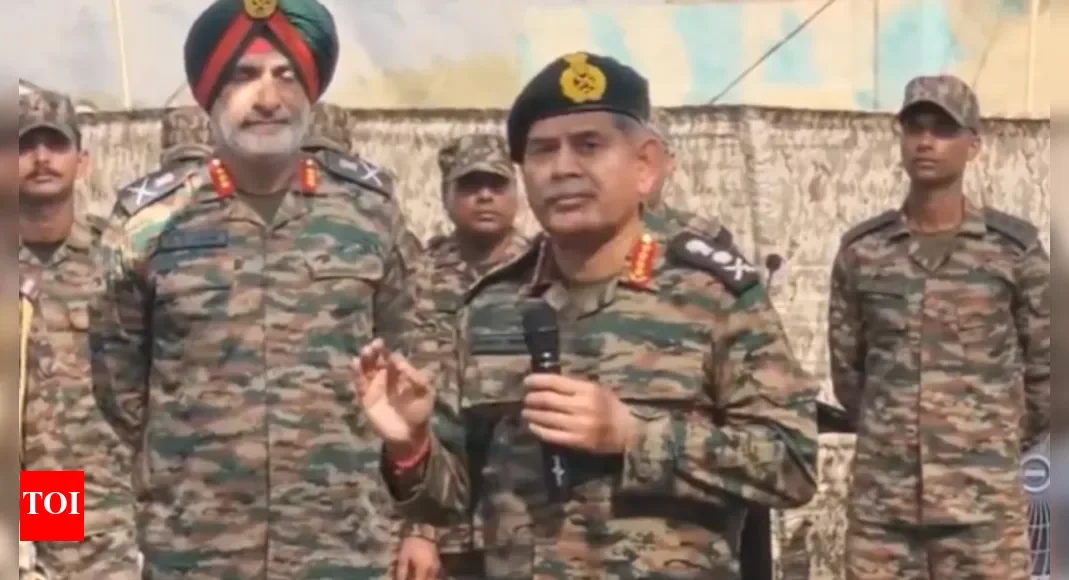
Indian Army Chief General Upendra Dwivedi has delivered a pointed warning to Pakistan, stating that the nation must abandon its sponsorship of terrorism or risk its very geographical existence. This declaration comes amidst persistent concerns over cross-border terror activities and propaganda originating from Pakistan. General Dwivedi articulated this position during an event at the Manekshaw Centre in Delhi, and later while interacting with troops in forward locations in Rajasthan. The Chief's message is unequivocal: future terror attacks against India will be viewed as acts of war, demanding a response that may forgo the restraint shown previously.
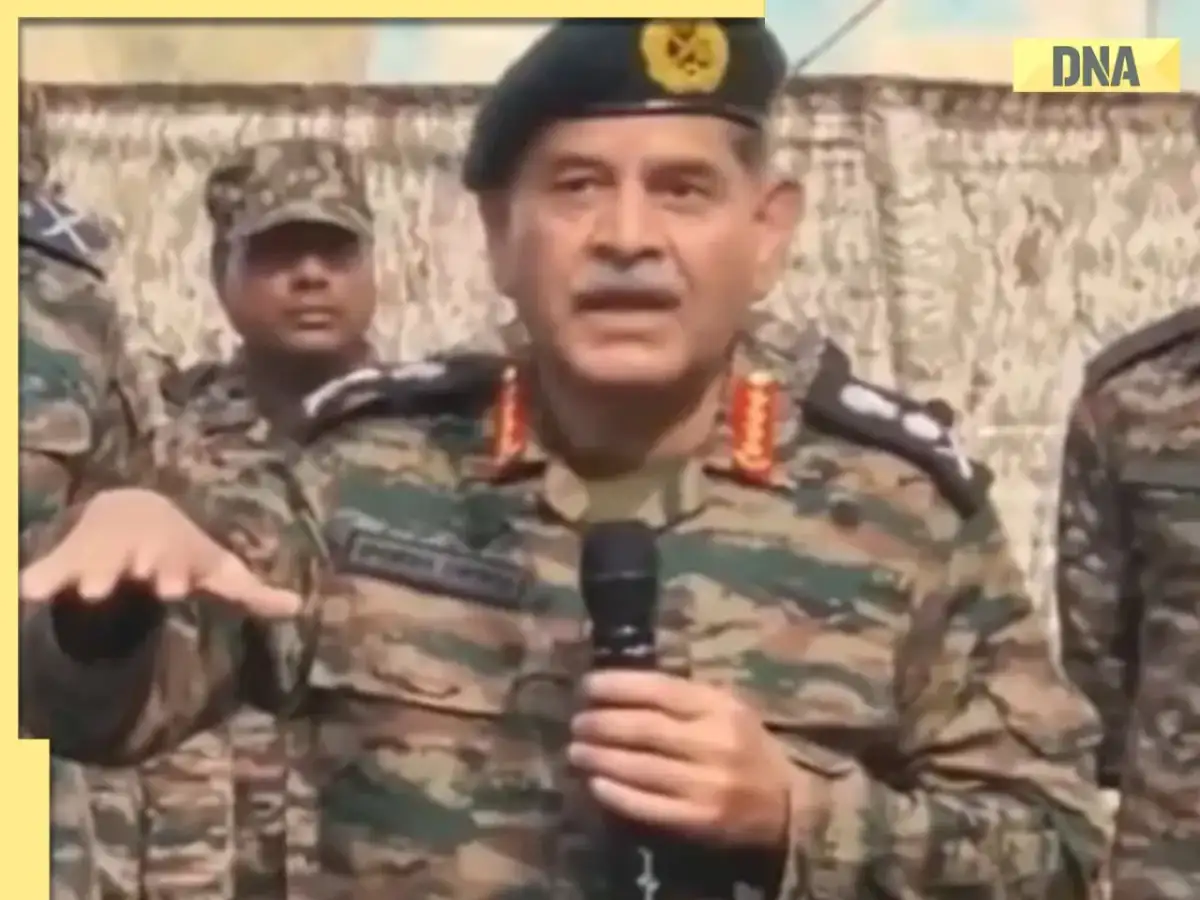
The remarks serve as a direct consequence of the anniversary of 'Operation Sindoor', a punitive military action launched by India last year. This operation, initiated on May 7, 2025, in direct retaliation to the Pahalgam terror attack, involved precision strikes on terror infrastructure situated in Pakistan and Pakistan-occupied Kashmir. The military conflict, which lasted approximately 88 hours, concluded after an understanding was reached on May 10, 2025. General Dwivedi's statements suggest that a repeat of such an attack would not be met with the same measured response. He specifically referenced a potential "Operation Sindoor 2.0," implying a more severe and impactful reprisal.
Read More: Iran Zagros Mountain Nuclear Site Construction Update April 2026
A Choice Between Geography and History
During the 'Sena Samwad' event, General Dwivedi framed Pakistan's choice starkly: "If Pakistan continues to harbour terrorists and operate against India, then they have to 'decide whether they want to be part of geography or history or not'." This sentiment was echoed during his address to troops in Rajasthan, where he stated, "If Pakistan wants to continue with its position in geography, it should stop its state-sponsored terrorism. We will not show the restraint we exhibited during Operation Sindoor 1.0. This time the action will be such that Pakistan will have to think whether it wants to exist geographically." He further elaborated that the lessons learned from 'Operation Sindoor 1.0' have solidified the resolve of both Indian soldiers and civilians, emphasizing that targets during that operation were limited to "terrorist hideouts, training centres, and their masters." India maintains it presented evidence of destroyed terror camps to the international community.
Pakistan's Rebuff and Escalating Rhetoric
In response to the Indian Army Chief's stern warning, Pakistani Defence Minister Khawaja Asif issued a belligerent statement, threatening to "bury India under debris of its own warplanes." This exchange highlights the heightened tensions and the volatile rhetoric between the two nuclear-armed nations. Simultaneously, Air Chief Marshal AP Singh reported that Indian strikes during 'Operation Sindoor' had destroyed or damaged at least a dozen Pakistani military aircraft, including F-16 jets, a claim met with Pakistani silence at the time, according to reports. India has consistently asserted that Pakistan sought an end to the hostilities following the military actions in May.
Read More: Tibetan Permafrost Thaw Releases Ancient Carbon, Risks Climate Tipping Point
Background: Operation Sindoor and its Aftermath
'Operation Sindoor', launched on May 7, 2025, was a swift and targeted military response to the April 22, 2025, Pahalgam terror attack. Indian forces conducted precision strikes against designated terror infrastructure within Pakistan and Pakistan-occupied Kashmir. The operation concluded on May 10, 2025, following an agreement to cease hostilities. The Indian military asserted that it presented proof of the destroyed terror camps to the world, aiming to counter any potential narrative of concealment by Pakistan. The anniversary of this operation appears to have served as a focal point for the Indian Army's renewed warnings regarding Pakistan's alleged state-sponsored terrorism. The current pronouncements signify a potential shift in India's policy of restraint, suggesting a more forceful posture in response to perceived provocations.