


Regulating the nervous system is cited as the primary biological prerequisite for expanding one's capacity to process ambiguous environments. When individuals operate within a 'fight, flight, or freeze' physiological state, their ability to perceive diverse possibilities narrows. The pursuit of certainty in a volatile environment often functions as a defense mechanism against anxiety rather than a rational strategy for decision-making.
Key Factors in Modern Uncertainty
| Variable | Observed Effect |
|---|---|
| Technological Velocity | Intensifies the demand for rapid, definitive conclusions. |
| Political Instability | Promotes rigid binary framing to avoid the discomfort of nuance. |
| Cognitive Bias | Increases the reliance on social validation to bypass personal decision-making. |
The Mechanics of Ambiguity
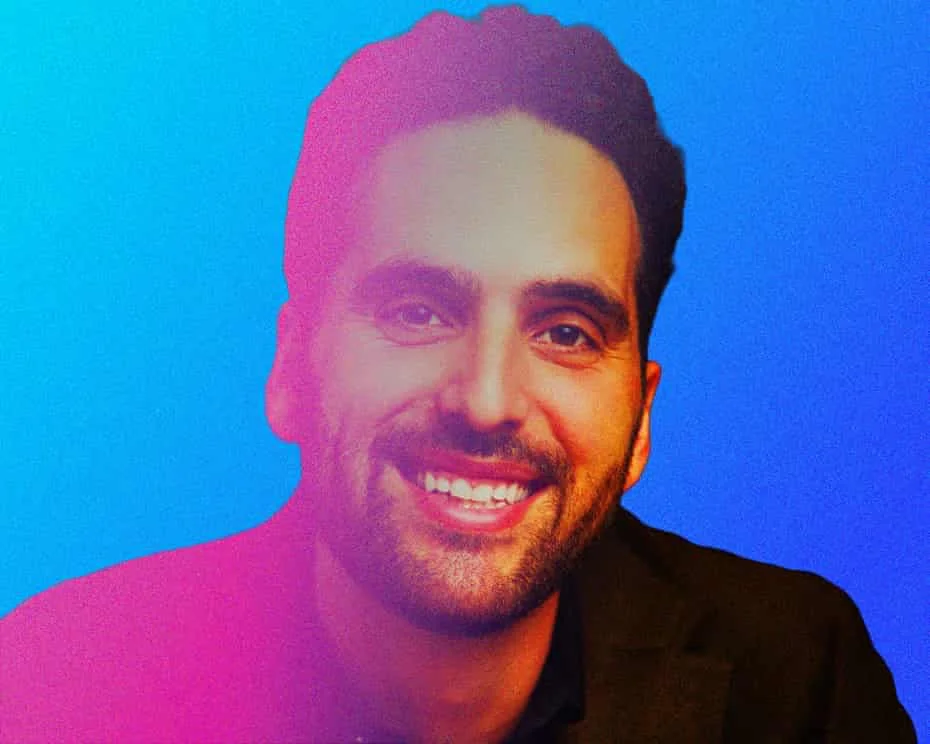
Journalist and author Simone Stolzoff, in his recent publication How to Not Know: The Value of Uncertainty in a World That Demands Answers, posits that contemporary culture systematically incentivizes the appearance of expertise and absolute knowledge. Through his personal narrative—specifically the professional pivot between New York media and San Francisco design—Stolzoff highlights the friction between internal doubt and the external pressure to project confidence.
Behavioral patterns identified:
The tendency to seek exhaustive validation from acquaintances to delay accountability for individual choices.
The habit of rushing toward fixed conclusions regarding political or digital identities.
The physiological toll of maintaining a facade of control amidst evolving, unpredictable systems.
Background and Context
The discourse surrounding 'tolerance for uncertainty' has surfaced as a reaction to the prevailing Political Instability and rapid Technological Change that define the current era. Stolzoff argues that while modern society demands instant answers, the biological reality of the human brain requires time to process information. By attempting to force clarity where none exists, individuals often compromise their Mental Grounding.
Read More: New Godfather Book 'Connie' Coming 2027 from Random House
The author maintains that his inquiry is not a mandate to actively seek out instability, but rather a guide to managing the inherent, unavoidable gaps in information that characterize life. The central metaphor, "rowing through the fog," serves as a reminder that the capacity to act persists even when visibility of the ultimate destination is obscured.


