


MANTLE OF POWER DISPUTED AMIDST FATALITIES
Mojtaba Khamenei, son of the late Supreme Leader Ali Khamenei, has reportedly been wounded. This alleged injury follows a coordinated strike attributed to Israeli forces, which sources claim also resulted in the death of his father and some forty other high-ranking officials within the Islamic Republic. The circumstances surrounding these events, including the exact location of Mojtaba Khamenei during the attack and the extent of his injuries, remain subject to varying reports.
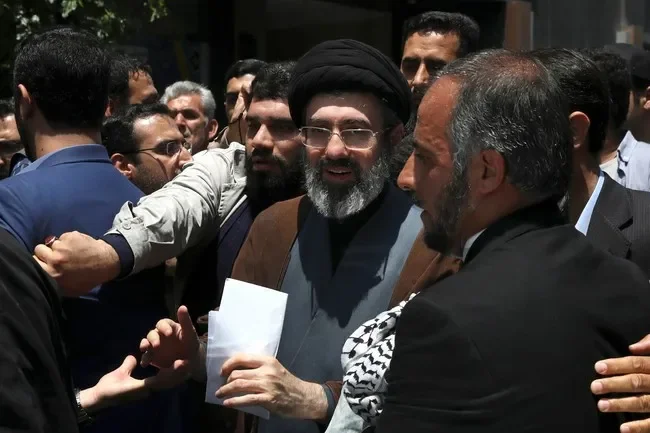
The potential succession of Mojtaba Khamenei, long considered the favoured candidate, now appears complicated by these events. The Assembly of Experts, the clerical body tasked with selecting Iran's Supreme Leader, is reportedly deliberating on a successor. Member Mirbaqeri has indicated a movement towards consensus within the group. However, official confirmation from Iranian state media regarding a specific candidate has not yet been issued, creating a vacuum of certainty regarding the nation's future leadership.
Read More: South Australia Election 2024: Labor Wins, One Nation Surges Past Liberals

QUESTIONS OF CONTINUITY AND CONSOLIDATION
The alleged strikes have not only impacted the prospective leadership but have also reportedly claimed the life of Mojtaba Khamenei's wife, Zahra Haddad Adel, whose family has deep ties to the Iranian theocracy. This loss, coupled with the reported injuries to Mojtaba, raises further questions about the stability and internal dynamics within Iran as it navigates this critical period.
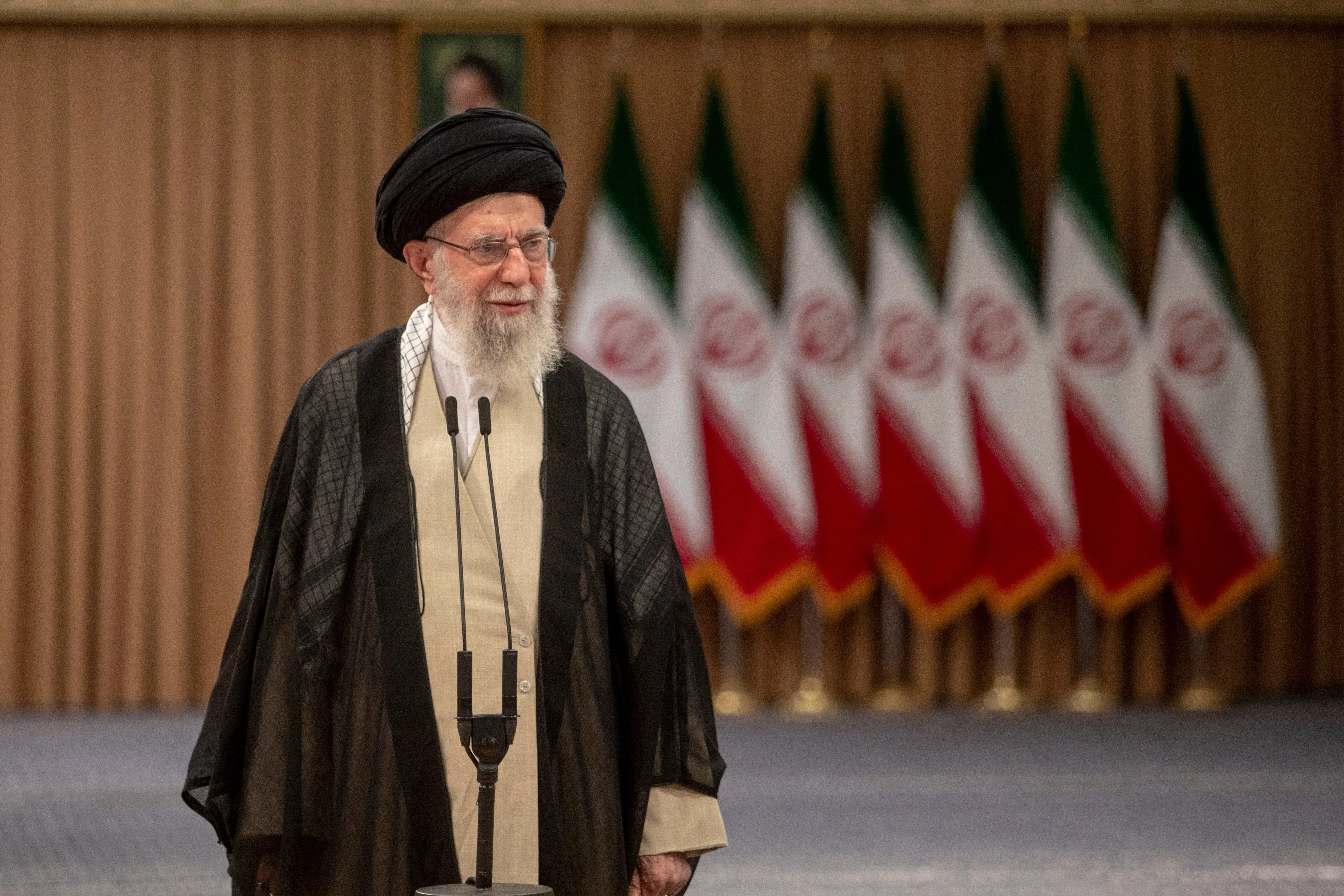
For years, Mojtaba Khamenei has operated within the Office of the Supreme Leader, cultivating relationships with Iran's security apparatus, particularly the Revolutionary Guards. His influence is reportedly intertwined with the security establishment, positioning him as a figure with deep roots in the nation's power structures. This background is crucial in understanding why his name has been a recurring element in discussions about succession.
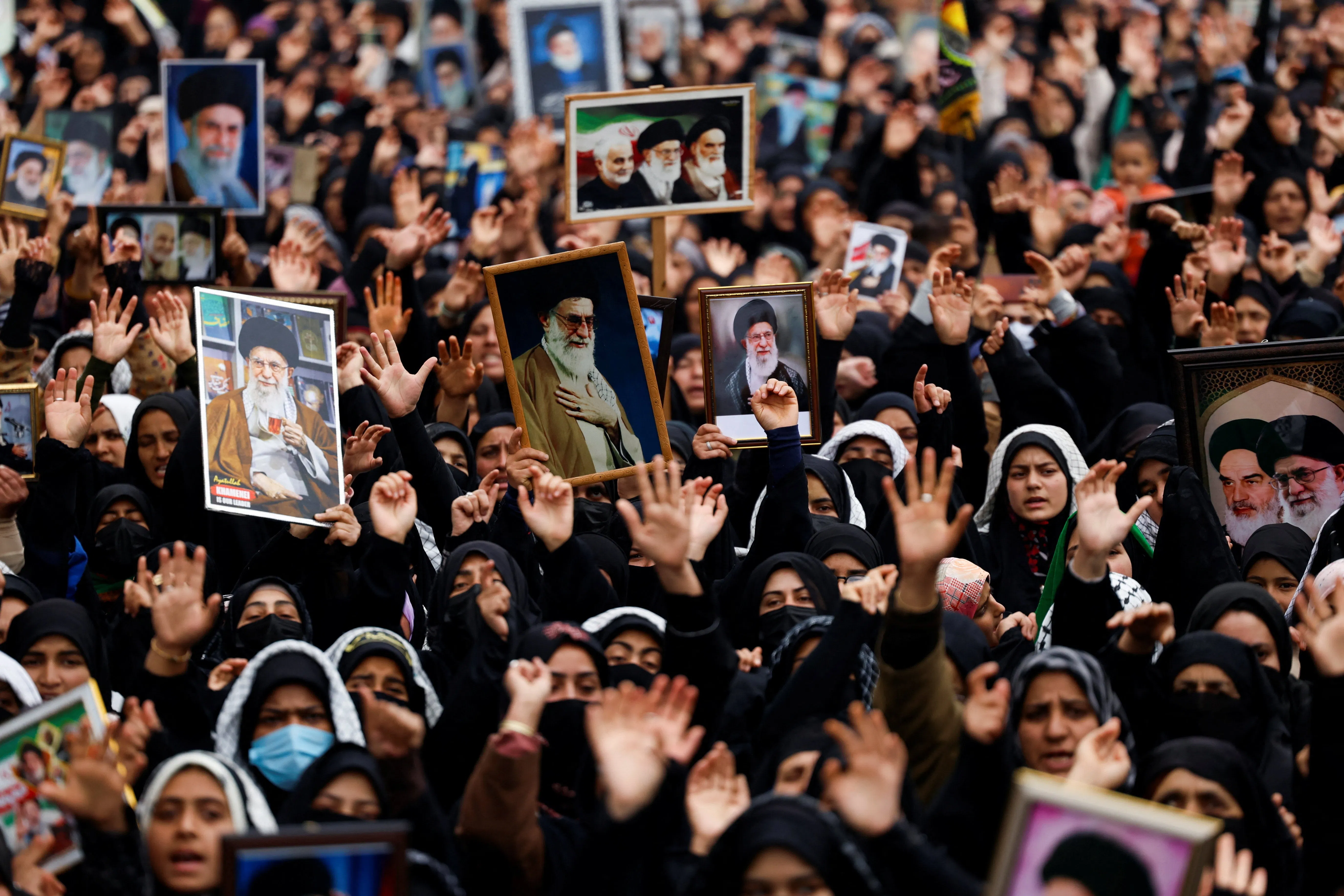
The Supreme Leader in Iran holds ultimate authority, commanding the armed forces, judiciary, and key state institutions. The transition of this position is thus a matter of significant geopolitical and internal consequence. The current situation, characterized by unconfirmed reports of fatalities and injuries among the top echelon, injects a layer of profound uncertainty into this already consequential process.
Read More: Ankara seeks wider security pact with Egypt, Saudi Arabia, Pakistan
A LEGACY OF AUTHORITY
The death of Ali Khamenei, following reported US-Israeli attacks, marks the end of an era. The subsequent focus has been on the appointment of a new leader, a process that appears to be underway, with virtual meetings among senior clerics of the Assembly of Experts already taking place.
The broader context includes a period of significant upheaval for Iran, with the recent weekend described as particularly difficult. The alleged air strikes have created a complex and fluid environment, where the expected continuation of power through Mojtaba Khamenei is now reportedly under threat.


:max_bytes(150000):strip_icc():focal(749x0:751x2)/ayatollah-ali-khamenei-030926-1-35238c3c9a484125aa95ac665d7cbc9c.jpg)


